
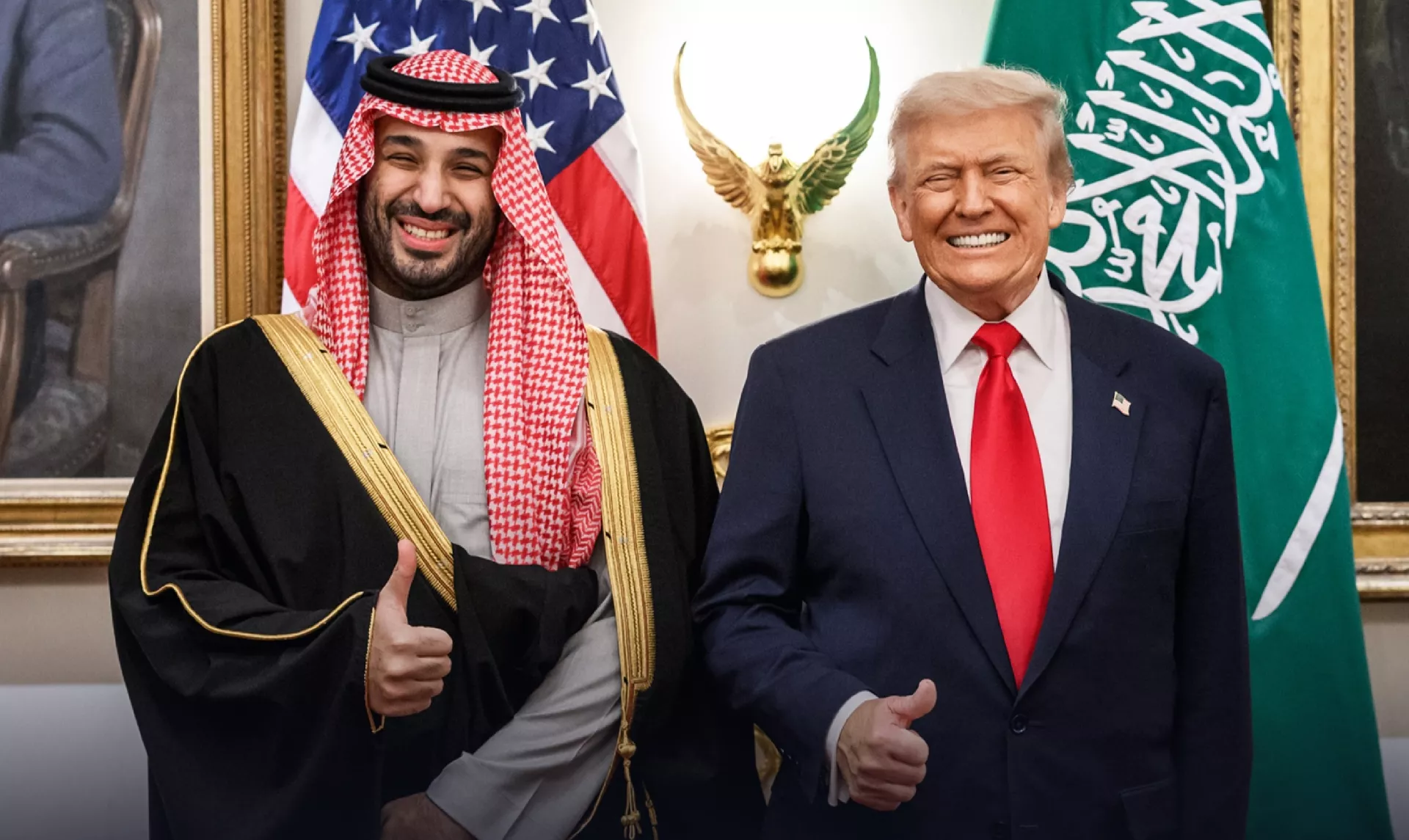
By Armin Sijamić
Yesterday, Saudi Crown Prince Mohammed bin Salman, also known to the public as MBS, visited US President Donald Trump. Numerous topics were on the table, but the one they spoke about least publicly was likely the most important – what kind of Middle East Washington wants and whether anyone can stop Israeli Prime Minister Benjamin Netanyahu.
MBS's visit to Washington and Trump had been announced for weeks. This is their second meeting in six months, after Trump visited Saudi Arabia in May. Both then and yesterday, the same topics were on the table, although leading US media focused on the previous announcement that MBS would reiterate in the White House that Saudi Arabia would invest up to a trillion dollars in the United States.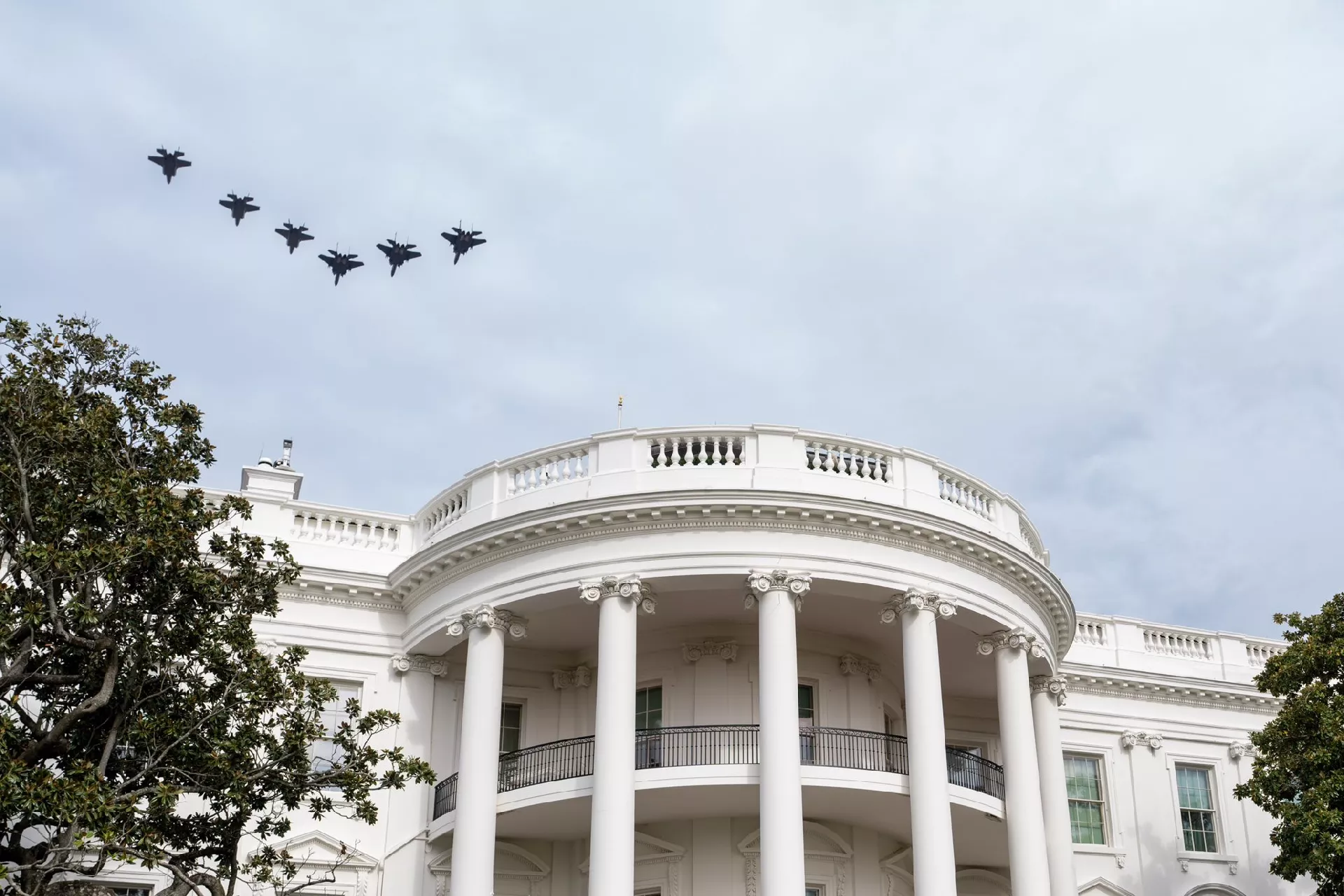
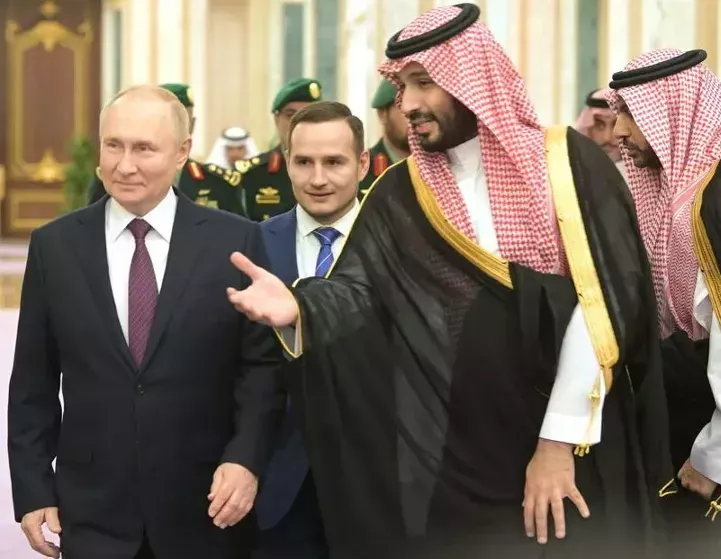
The reception for MBS was spectacular and rare for US presidential protocols. An honor guard was lined up in front of the White House, horsemen carried the national flags of the host and guest, and fighter jets flew over the US capital. Trump seemed to want to show MBS the same or greater honors than he showed Russian President Vladimir Putin, whom he hosted in Alaska in August.
With this gesture, Trump wanted to show his guest how significant things he expects from him, just as he did with Putin. After all, MBS deserves it more than Putin, because Saudi Arabia has been a very important part of the Middle Eastern mosaic according to Washington's wishes for decades. Not even Trump's outbursts with journalists, who linked MBS to the murder of Jamal Khashoggi in Istanbul in 2018, could spoil the impression that the White House had shown the guest great honor.
Saudi Money
Trump needs MBS to implement American plans at home, in the Middle East, and around the world, because Saudi Arabia has vast amounts of money and oil and represents one of the leading voices in the Arab world. Although it is clear who is stronger in the relationship between the two countries, Trump wants to have MBS on his side because he wants to capitalize on what he has in front of him in a short period.
Namely, Trump's economic reforms need help from Saudi Arabia. This primarily applies to the energy sector, as the United States has become a major oil producer under Trump. An agreement with Saudi Arabia guarantees him no lower oil prices, which would mean that Trump's decision to return so strongly to this business would pay off.
Even before MBS arrived in the United States, Trump announced that he would sell F-35 fighter jets to Saudi Arabia, which is a significant political decision. Riyadh is now entering the exclusive club of those who possess these modern aircraft. In the Middle East, no one except Israel has them. Saudi Arabia has requested 48 aircraft, which would give this country a significant advantage over many regional rivals.
Trump also needs Saudi investments in many fields. The media has been reporting for days about the interest of the American and Saudi sides in jointly investing money in technology and the defense sector, with artificial intelligence being mentioned as a particular area of interest for Riyadh, in which the United States, along with China, is an absolute world leader.
MBS's Consent
All of the above are processes in which MBS wants and can participate. When he rose to power in Riyadh, he showed that he wanted to reform Saudi Arabia and build good relationships with many and business relationships with almost everyone. Russia's attack on Ukraine in February 2022 and Hamas's attack on Israel on October 7, 2023, which was a prelude to a new round of wars across the Middle East, slowed down his plans. At that time, MBS was also ready for the end of the war in Yemen and rapprochement with Iran.
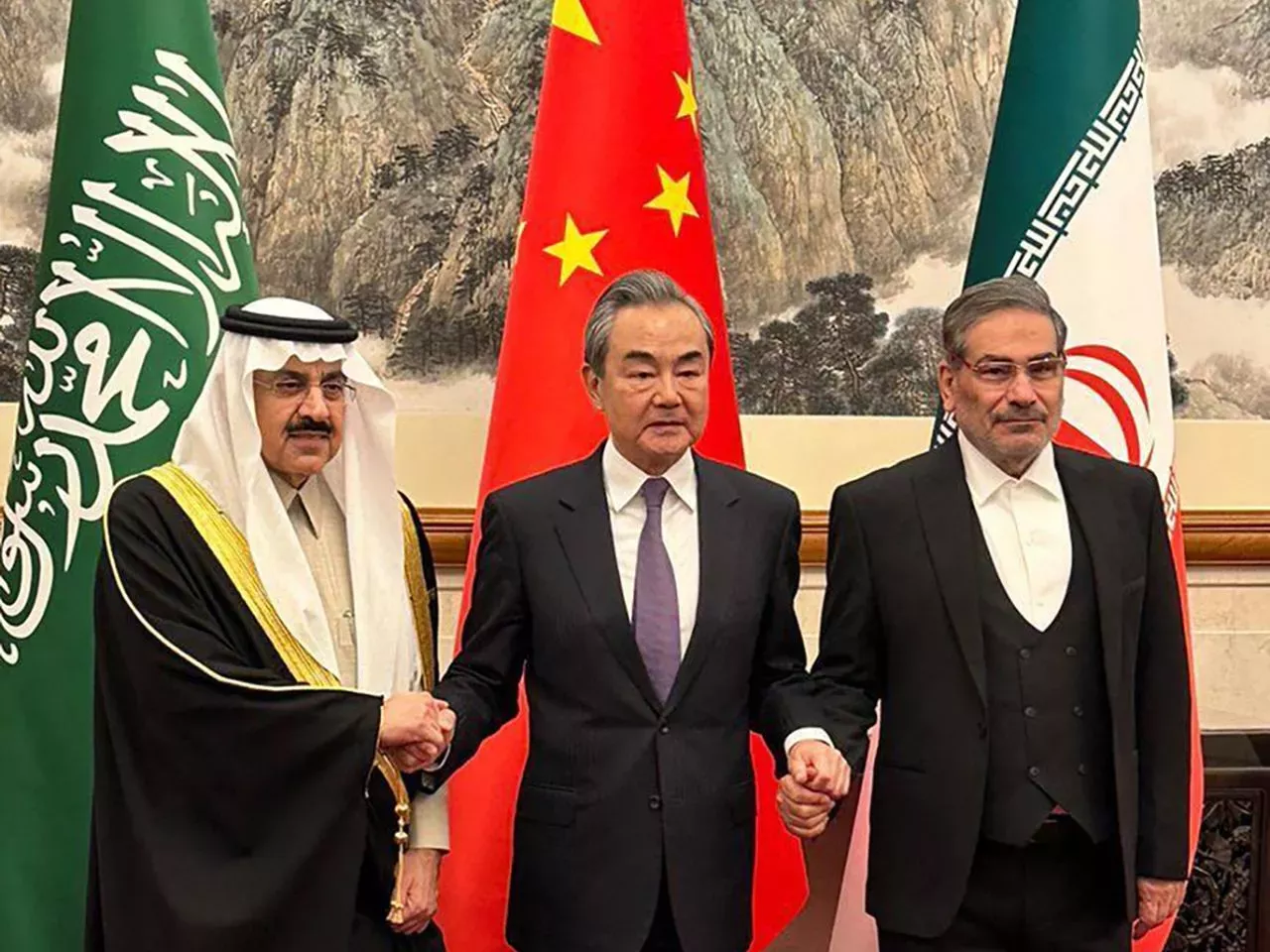
But then changes occurred in Saudi Arabia's immediate and wider neighborhood, and MBS now has to deal with difficult geopolitical issues. Joseph Biden's administration pressured him to normalize relations with Israel, Arabs expected his response regarding the Gaza Strip, and regional powers (like Iran and Pakistan) offered him a hand of cooperation for fear of regional developments.
Trump's administration is also asking Riyadh to recognize Israel. MBS has refused to do so until now, unless a clear path is made for the creation of an independent Palestinian state. Netanyahu has repeatedly stated that this will not happen. Since then, the United States has wanted to force MBS to change that stance.
The attitude towards Israel is likely the main topic for Riyadh. This is especially important for them after Israel bombed Qatar, and previously six other countries in the Middle East, and liquidated numerous civilian and military leaders. The question is whether Trump wants to curb Netanyahu's idea of Israel controlling the Middle East, or as before, is trying to "convince" others that it is in their interest.
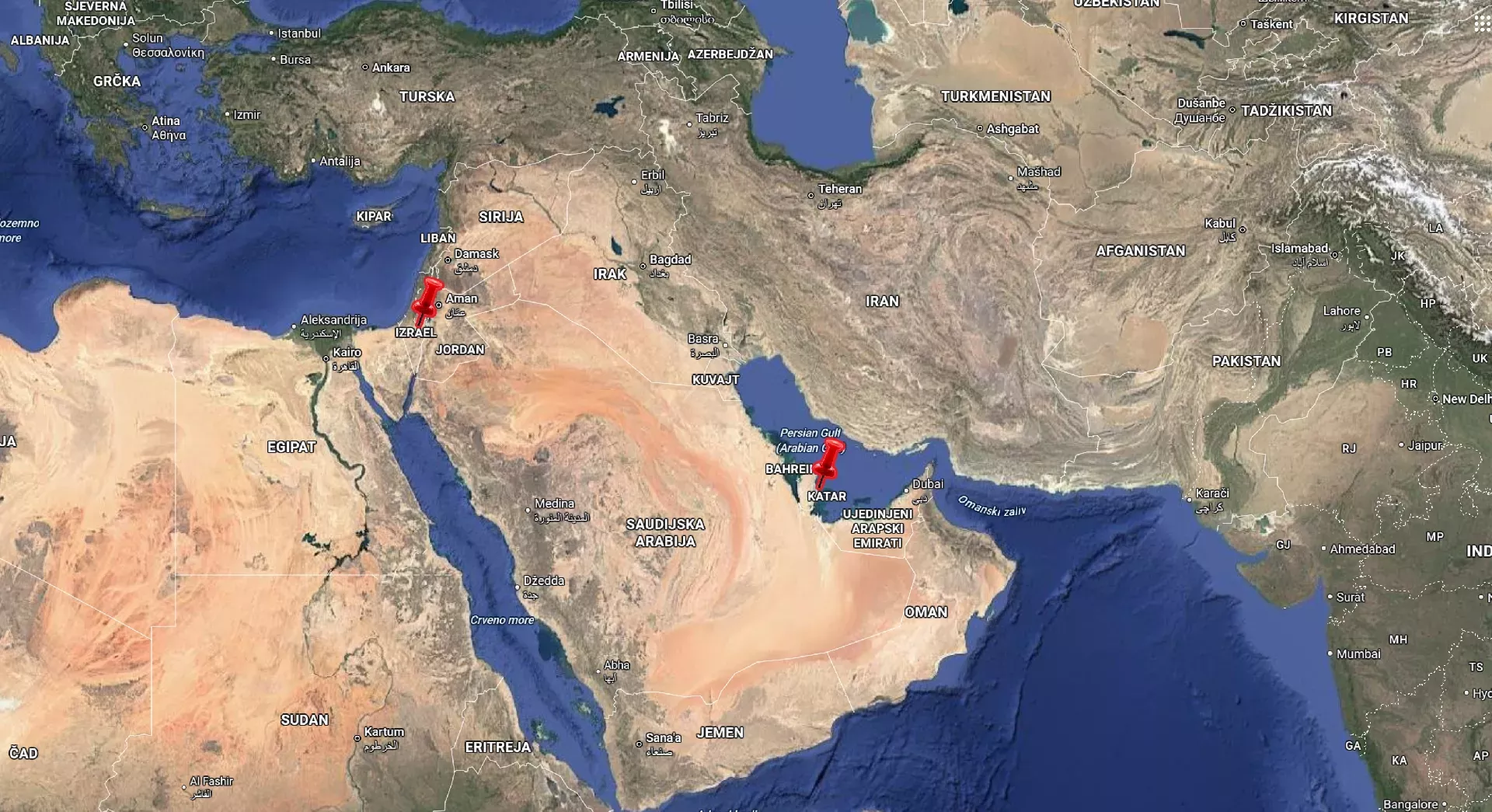
That story delves into another important issue in the Middle East – the relationship between Arab states and Israel towards Iran. In recent years, MBS has played differently on various fronts. For example, in Syria, he supports a new government that is hostile to Iran and ready to make concessions to Israel. In Lebanon, Saudi Arabia and Israel want the destruction of the Shiite and pro-Iranian Hezbollah. In Yemen, MBS wants an agreement with Iran and peace with the Houthis. In Sudan, Iran and Saudi Arabia are on the same side.
Trump's Power
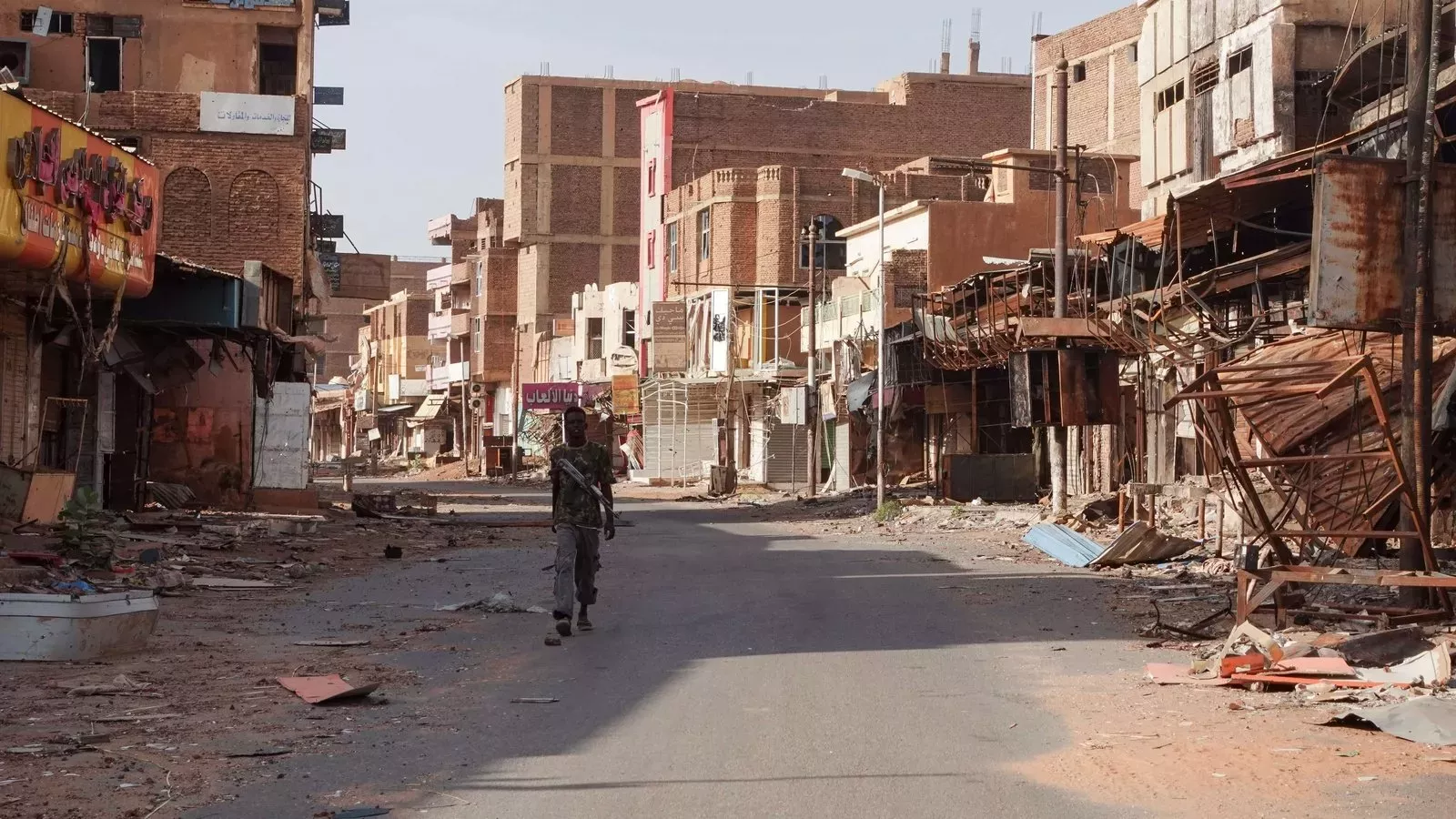
The war in Sudan could be a good parameter for monitoring the progress of the Trump-MBS agreement. Namely, the Sudanese army is fighting against the Rapid Support Forces (RSF) there, which are supported by the United Arab Emirates – Saudi rivals in the Arab world. The Saudis and Iranians support the Sudanese army. US aid to the army to consolidate the situation in Sudan could be Trump's favor to MBS and confirmation that some kind of agreement exists and is valid.
Although Saudi Arabia is an important country in the Arab world and on the international stage, its military strength is modest, despite the most modern weaponry it buys worldwide. This was shown by the war against the Houthis, in which they could not win even with the help of dozens of other countries, Yemeni forces on the ground, and mercenaries from third countries, including Sudan.
Therefore, Saudi Arabia also needs Trump's guarantees of protection. This time, likely from Netanyahu if he deems it in his interest, as no one else has an interest in attacking Saudi Arabia. Israel's desire to show that it can do whatever it wants in the Middle East causes unease throughout the region. One of Riyadh's responses was a mutual defense agreement with nuclear power Pakistan.
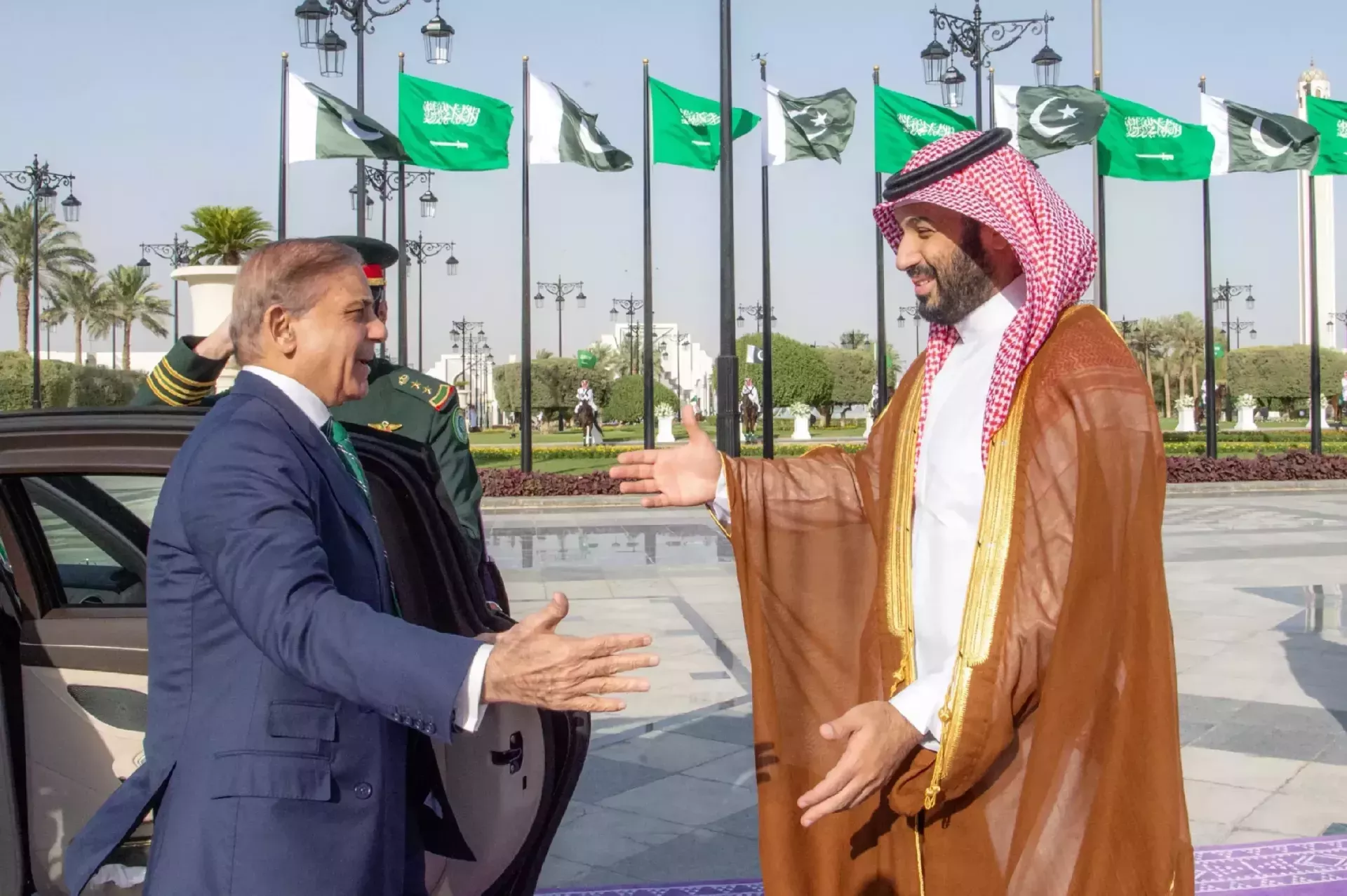
Trump's unpredictability does not please MBS, although it is logical that a powerful US president and businessman would be an excellent partner for a reformer in Riyadh. That is why MBS came to Washington to try to make at least temporary arrangements in the region, as some issues cannot be resolved quickly.
The spectacular reception, harsh and inflammatory words in the White House, and hundreds of billions of dollars waved in public view are part of the backdrop behind which negotiations are taking place for far-reaching security and other arrangements. Some of these arrangements, which interest MBS, include Washington's security guarantees that Saudi Arabia will not be attacked and that it will be on the path to becoming a nuclear power.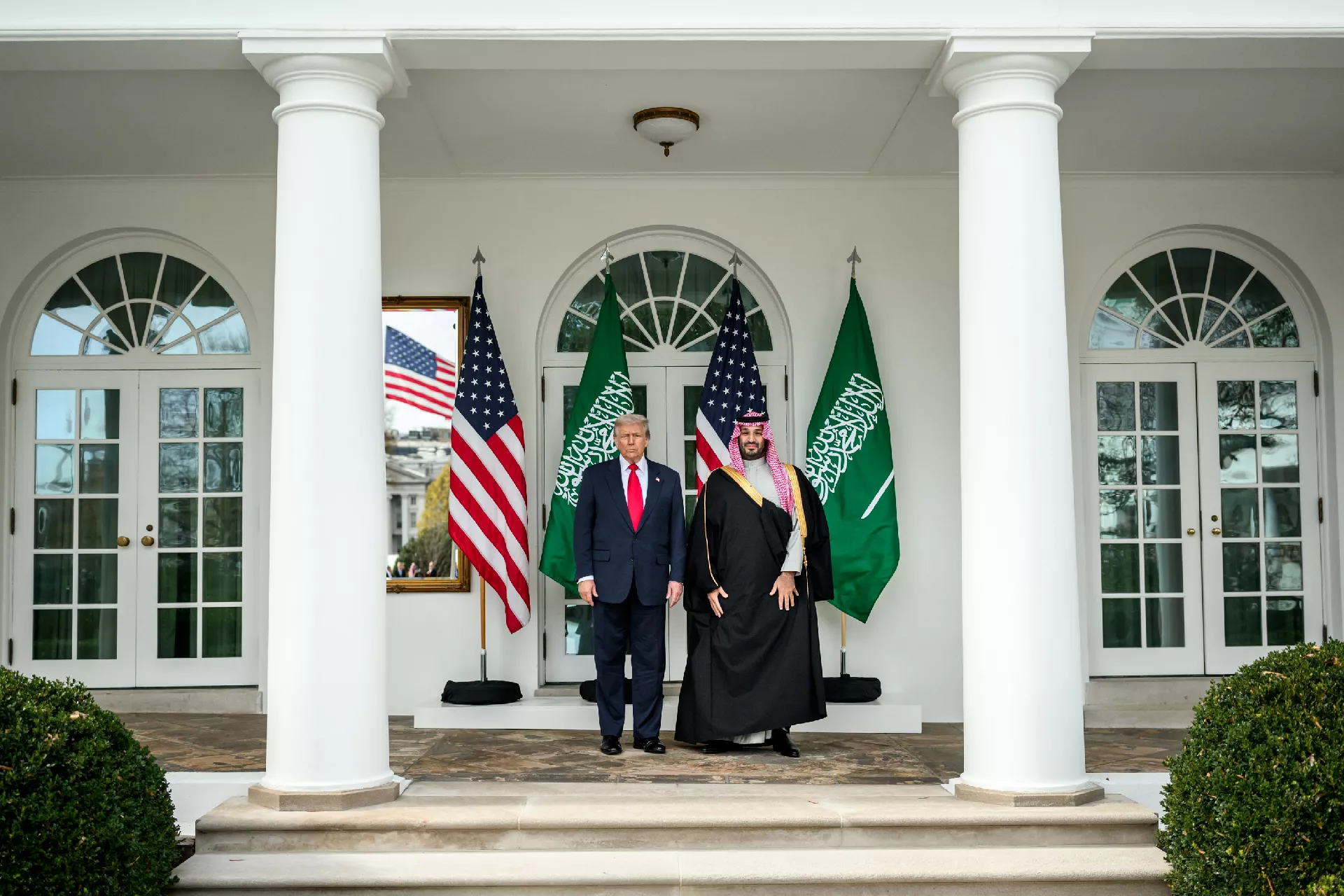
But this will not be free for Riyadh, even if Trump wanted to do something against Israel's interests. Any agreement between Trump and MBS will not be possible to hide or package in any other form than as something very important. Although they are decades-long allies, strengthening these ties will not go unnoticed and will certainly have an impact on the entire Middle East and the Muslim world.
Komentari (0)
Prijavite se za komentiranje
PrijavaJos nema komentara. Budite prvi!
Minuta
Sve →Iz drugih kategorija

High Representative Not Elected: Germans, French and British Against Americans, New Attempt at End of June

ČOVIĆ WITHOUT MERCY: How Those Who Brought Ademović to Office Created a Political Hell for Him



Sunny Saturday, quite warm



Tragedy in Albanian resort: Two minors drown












