
(Patria) - A Memorandum of Understanding (MOU) was signed in Versailles between the United States of America and Iran, immediately bringing into force a framework agreement that should end the current conflict and pave the way for a lasting political solution.
Pakistani Prime Minister Shehbaz Sharif, whose country mediated the Washington-Tehran negotiations lasting over two months, announced that Iran will immediately reopen the Strait of Hormuz, while the US will lift the naval blockade of Iranian ports.
US President Donald Trump signed the agreement in Versailles following the G7 summit, while Iranian President Masoud Pezeshkian signed the document digitally.
According to available information, the memorandum contains 14 points, with a key provision stipulating an immediate and permanent cessation of military operations between the US, Iran, and their allies, including the conflict in Lebanon. The parties commit to not launching new military actions against each other and to respecting the territorial integrity and sovereignty of Lebanon.
The agreement has sparked strong reactions in Israel, where part of the political and security establishment considers it a serious strategic defeat. Particularly contentious are the provisions related to Lebanon and the future status of Hezbollah.
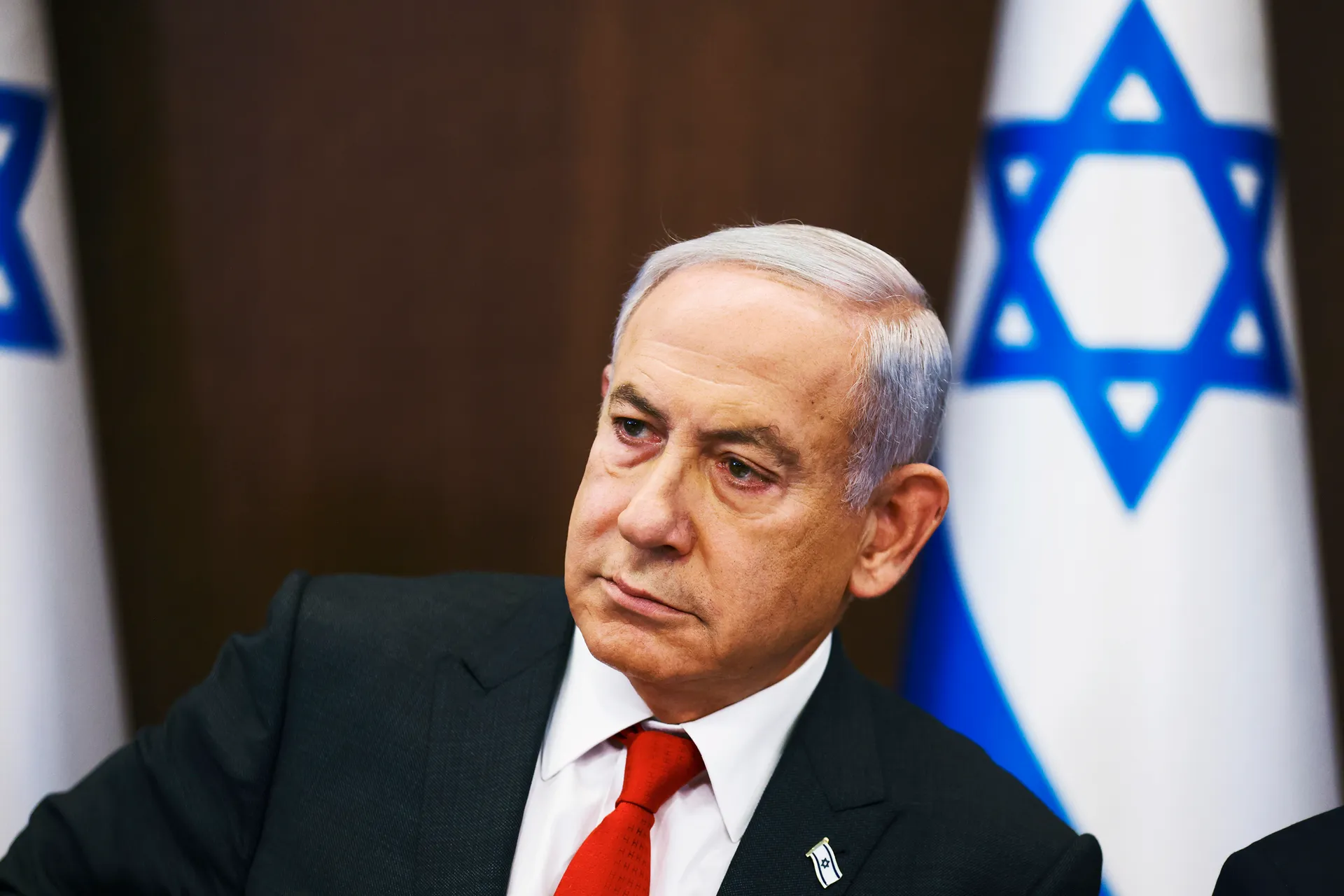
Axios journalist Barak Ravid assesses that Israeli Prime Minister Benjamin Netanyahu remained almost alone in opposing the agreement, while even Israel's traditional allies in the region supported the deal between Washington and Tehran.
An additional problem for Netanyahu is the fact that the agreement bears the personal political stamp of Donald Trump, which significantly narrows his room for public criticism. According to US and Israeli media reports, Netanyahu is now trying to influence the content of the final agreement through allies in the US Congress and conservative media.
The greatest concern of the Israeli government relates to Lebanon. The memorandum envisions a cessation of hostilities between Israel and Hezbollah, and the final agreement could also open the issue of withdrawing Israeli forces from southern Lebanon.
Although the White House states that Israel retains the right to respond in the event of a Hezbollah attack, Tel Aviv fears that the new agreement could long-term limit Israel's military freedom of action in the region.
Komentari (0)
Prijavite se za komentiranje
PrijavaJos nema komentara. Budite prvi!
Minuta
Sve →Iz drugih kategorija

High Representative Not Elected: Germans, French and British Sabotaged Americans, New Attempt at End of June

ČOVIĆ WITHOUT MERCY: How Those Who Brought Ademović to Office Created a Political Hell for Him



Sunny Saturday, quite warm



Tragedy in Albanian resort: Two minors drown












