
Exports from Bosnia and Herzegovina to Croatia have fallen by as much as 36.02% from July last year to date, claims Igor Gavran, economic analyst from the Foreign Trade Chamber of BiH, reports the BiH news agency Patria (NAP).
The largest part of this difference, he says, relates to agro-industrial products whose export has been suspended.
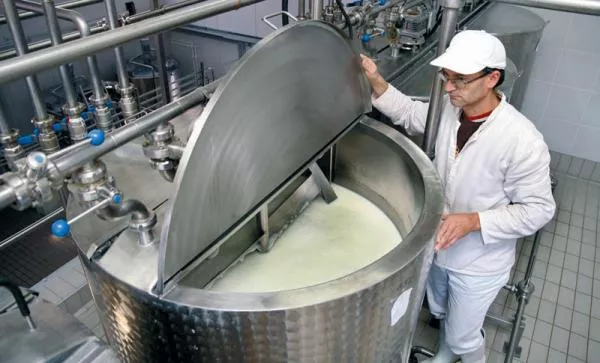
The most illustrative and drastically significant in terms of value is the case of milk and dairy products, where exports have decreased by more than 30 million KM solely due to the cessation of exports of products under one tariff number (TN 0401 – Milk and cream, not concentrated nor containing added sugar).
However, since Croatia's accession to the EU, some positive consequences for BiH can be observed, which may only be reflected in the domestic market in the coming period. This is primarily greater representation of domestic products in the BiH market, as well as finding new markets in countries that are signatories to the CEFTA agreement.
- With Croatia's entry into the EU, not only have exports from BiH to this country decreased, but the value of imports from Croatia to BiH of products that have lost their duty-free status has also decreased in parallel, and among them, the previously mentioned tariff number (TN 0401) is again the most indicative, with an import value decrease of about 15.3 million KM – says Gavran.
And, he further explains, given that at the same time there has been no decrease in the consumption of relevant products in the market of Bosnia and Herzegovina, and that the largest part of this reduced import has been substituted by an increased market share of domestic products, a significant portion of the lost exports has been offset.
A positive aspect of Croatia's entry into the EU for BiH, says Gavran, is also the pressure on domestic producers and exporters to intensify activities for penetrating new markets, which many of them have successfully done, redirecting part of their previous exports to Croatia to the CEFTA 2006 market, as well as some entirely new markets outside the region.
- When the return of the aforementioned BiH products to the Croatian market is enabled in the future, their total export potential will be greater than before Croatia's entry into the EU. Domestic producers, after Croatia's entry into the EU, have also increased their presence in the domestic market, thereby contributing to the overall reduction of the deficit and improvement of the supply structure – claims Gavran, writes NAP.
Komentari (0)
Prijavite se za komentiranje
PrijavaJos nema komentara. Budite prvi!
Minuta
Sve →Iz drugih kategorija

High Representative Not Elected: Germans, French and British Sabotaged Americans, New Attempt at End of June

ČOVIĆ WITHOUT MERCY: How Those Who Brought Ademović to Office Created a Political Hell for Him



Sunny Saturday, quite warm



Tragedy in Albanian resort: Two minors drown












