
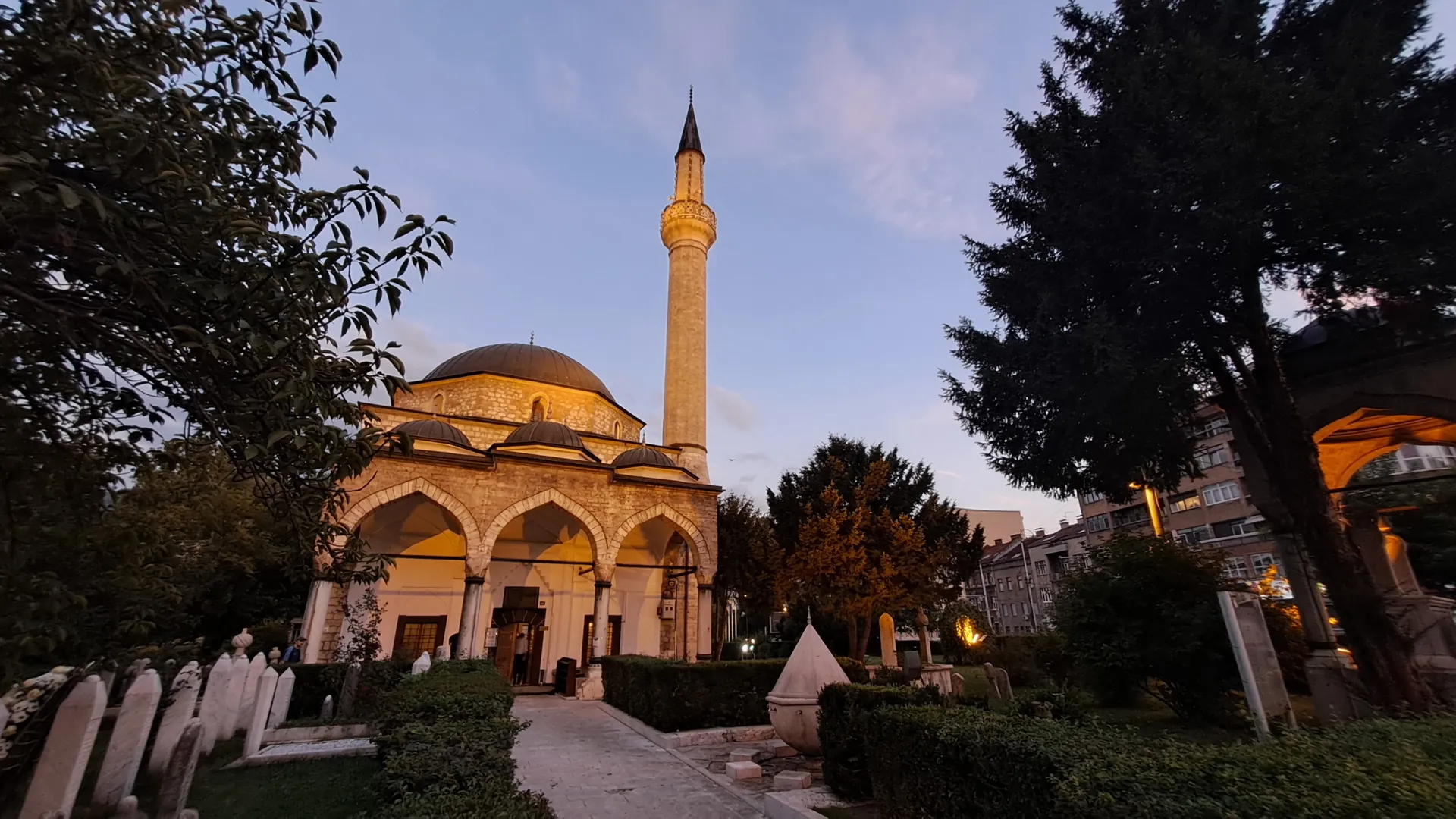
Eid is a day that smells of gathering. Of doors that open without knocking, of tables with a spread, of voices intertwining in the same sentence, "May you live and be healthy.".
Searching for Eid stories, I realized that I have a person near me whom I knew from previous Eids, and also these Eids after she was left alone, without her parents. She is not the only one; there are many such people, because life has a beginning and an end...
And so, the story imposed itself... What kind of Eid is it without parents?
Simply put, behind the image of togetherness, there is another, quieter, less visible story: Eid celebrated without parents.
These are mornings that start the same as all others, but the most important thing is missing. There is no mother's voice from the kitchen, no father's quiet preparation for going to the Eid prayer, no phone call and greeting before anyone else. Only habit and a void that is not easily filled remain.
"Mornings are the hardest. Everything looks the same, but nothing is the same," a friend from Sarajevo, who lost her parents, tells me.
"People come, congratulate, bring cakes, but in all of that, there is a part that only I know. That's what's missing."
Experts and psychologists often emphasize that holidays, although socially intended as a time of joy, can intensify feelings of loneliness for people who have experienced loss. Eid does not lose its meaning then, but its tone changes from joy to remembrance, from gathering to an internal conversation with those who are no longer here.
On such days, many people develop their quiet rituals. Visiting the cemetery, preparing a favorite dish that their parents used to make, looking at old photographs, or simply sitting in silence by the window. These are ways to "maintain" the holiday, but in a different form.
"Sometimes I think I'd rather sleep through the day," adds the same interlocutor. "But then I realize that would mean leaving them out again. So I get up, get dressed, and carry on. As if they are here, just in a different way."
Precisely in that sentence lies the essence of this story. Eid without parents is not the end of the holiday, but its quieter version, one in which joy is not lost, but transformed. Into memory, into gratitude, into the awareness that those who are missed are still a part of every new morning.
And while greetings of "Eid Mubarak" are heard throughout Bosnia and Herzegovina, there are also those who utter them more quietly, almost to themselves. Not because Eid is lesser, but because their joy has become different – more modest, but deeper.
Perhaps its greatest strength lies precisely in this: that even in the absence of those we love most, it teaches us not to stop carrying them with us.
Komentari (0)
Prijavite se za komentiranje
PrijavaJos nema komentara. Budite prvi!
Minuta
Sve →Iz drugih kategorija

High Representative Not Elected: Germans, French and British Sabotaged Americans, New Attempt at End of June

ČOVIĆ WITHOUT MERCY: How Those Who Brought Ademović to Office Created a Political Hell for Him



Sunny Saturday, quite warm



Tragedy in Albanian resort: Two minors drown












