
By Armin Sijamić
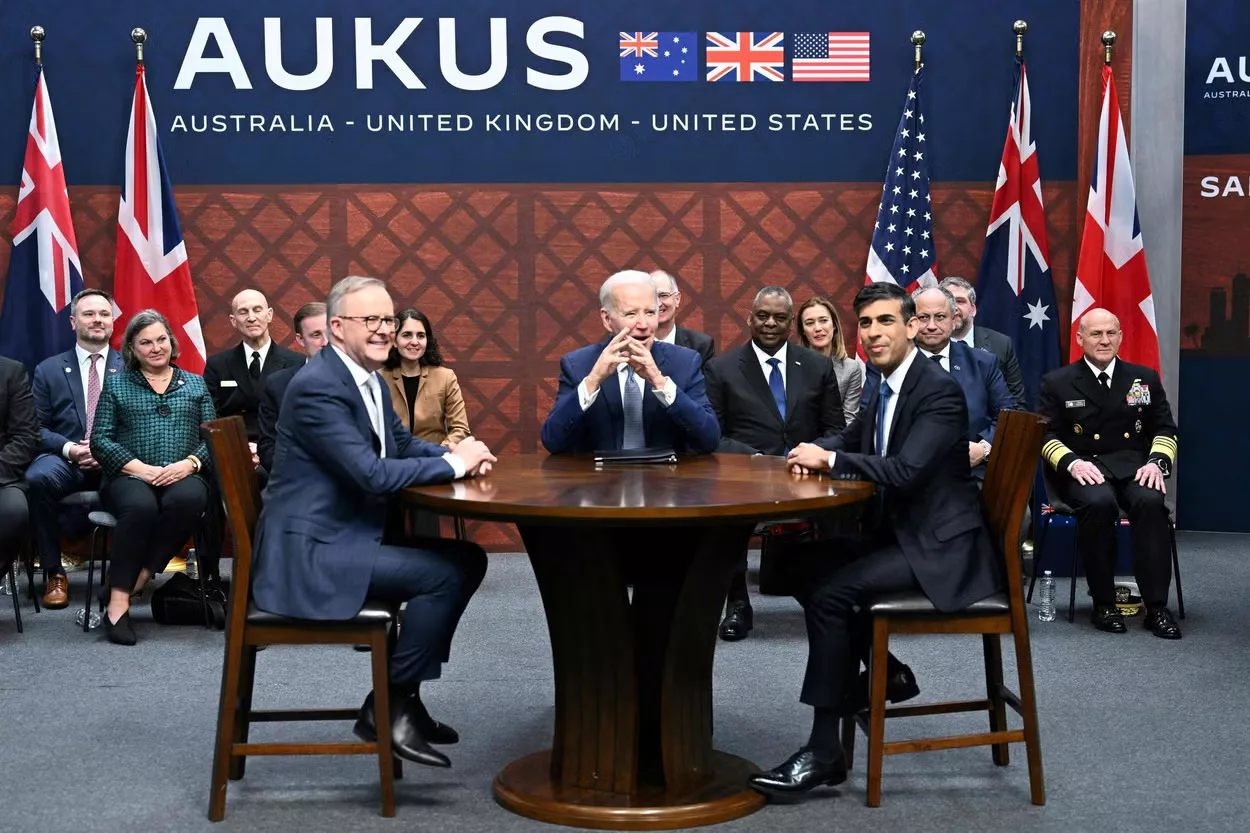
When the administration of Joseph Biden announced in September 2021 that it had created a tripartite pact between Australia, the United Kingdom, and the United States of America, or AUKUS for short, there was more talk about everything else than China. Although it was obvious that AUKUS was the result of the desire of old allies to contain China, it was not spoken about. But that too came to an end mid-week when the second man in the State Department brought Taiwan into the AUKUS story.
US Deputy Secretary of State Kurt Campbell, addressing the Center for a New American Security from Washington, this week established a link between Taiwan and AUKUS, saying that new submarine capabilities would enhance peace and stability, including in the strait separating China and Taiwan.
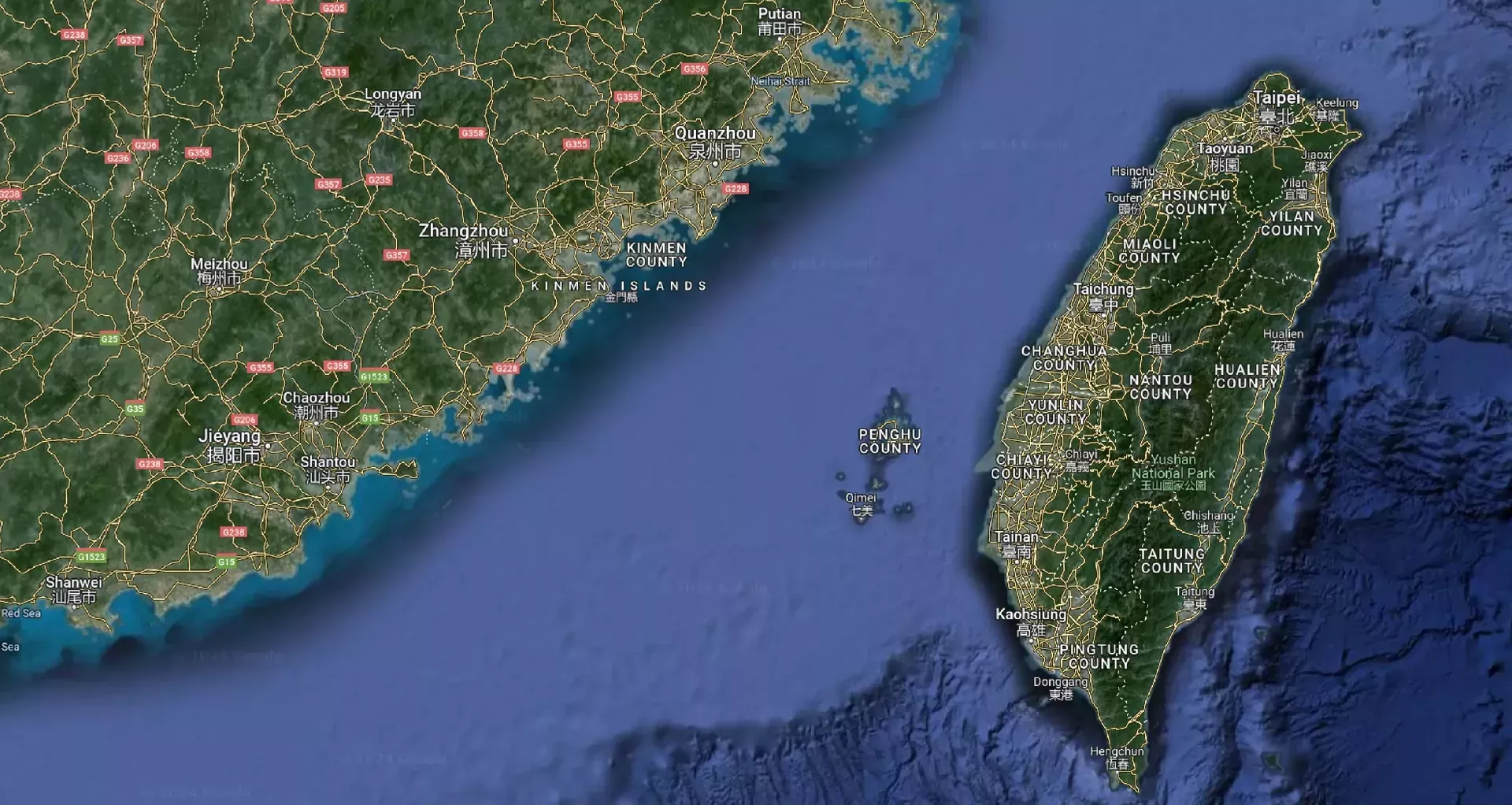
AUKUS submarine capabilities “have enormous implications in various scenarios, including circumstances that cross the strait,” Campbell said, according to agencies. “I would argue that close cooperation with other nations, not just diplomatically but also on defense pathways, results in strengthening peace and stability overall,” added the high-ranking US diplomat.
Against China and without France
The AUKUS story is, in a way, a story about how alliances work and how one power reacts when it chooses between its real interest and the interests of its partners. France and President Emmanuel Macron felt this firsthand, shortly before AUKUS came to life and announced to the world that three countries would jointly build nuclear-powered submarines, cooperate in cyber security, artificial intelligence, quantum technologies, submarine research, advanced technology research, and information exchange...
Macron had to accept that Australia had abandoned the 2016 agreement, under which it would have paid France forty billion dollars for a fleet of conventional submarines, and that it now wanted eight nuclear submarines with American and British technology.
Then-French Foreign Minister Jean-Yves Le Drian described Australia's decision as a “stab in the back”. France lost a lucrative deal, and Biden received the first criticism from European allies. Australia's decision hit Macron so hard that he said from Beijing last April that “the worst thing to consider would be for us Europeans to be followers on this issue and adapt to the American pace or Chinese overreaction,” referring to China and Taiwan, Ukraine, sanctions, and other topics on the table.
France has not forgotten this slap from Washington and London, fully aware that the official Canberra has once again opted for a tried-and-tested alliance that combines history, language, culture, and the famous “Five Eyes” intelligence-sharing project, which, in addition to the United States, the United Kingdom, and Australia, includes Canada and New Zealand.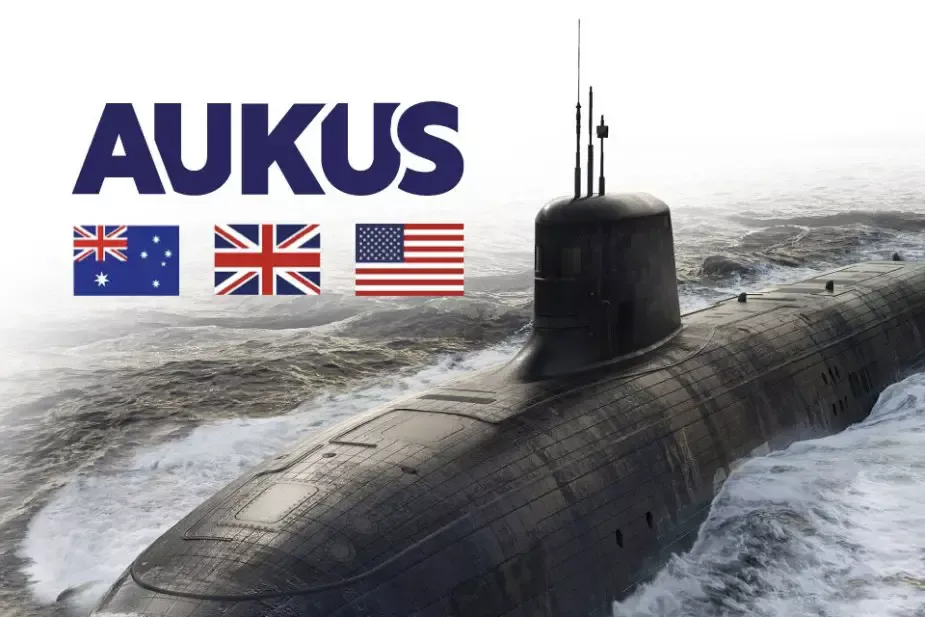
Confrontation with China
Beijing has never had any doubt that the goal of AUKUS is to contain the world's second-largest economy and that this alliance will later expand, meaning that countries that fear China will join it in various ways. Since its inception, China has claimed that AUKUS would create tensions in the region and ultimately trigger an arms race.
An arms race is not a problem for China, especially not in recent years when its military, and particularly its navy, has been strengthening. The race worries China's neighbors, as they do not have the capacity to keep up with China's investments. Therefore, these countries are approaching AUKUS countries in various ways, especially the United States, which is the world's largest naval power. They believe that they can only resist China together, especially at a time when Beijing has problems at home.
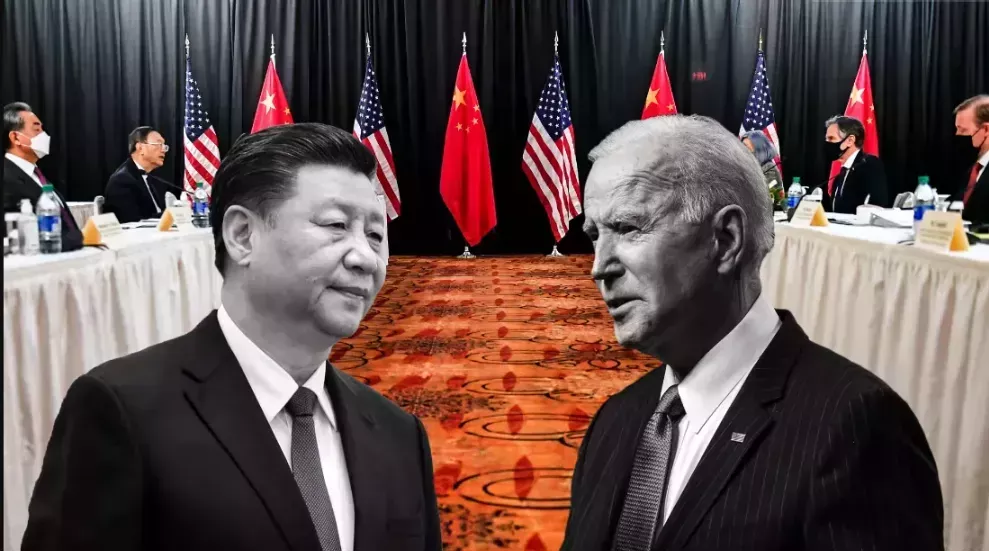
India and Japan were the first countries to count on AUKUS and the United States, and then South Korea and the Philippines gradually entered the game, while the doors were open for Vietnam, Indonesia, and others. Ultimately, it is a question of time what role the rogue Chinese island of Taiwan and its government will play. All these countries near the South China Sea and further in the Pacific fear China's strengthening, especially since Beijing does not want to make concessions to anyone, not even when a court rules, as the Philippine government witnessed after the Permanent Court of Arbitration in The Hague ruled in favor of Manila.
By exploiting the fear of China, Washington is counting on alliances in the region. Kurt Campbell said in the same address that Biden is preparing to host Japanese Prime Minister Fumio Kishida and Philippine President Ferdinand Marcos Jr. at a summit on April 11, and then to hold a bilateral meeting with Kishida. Campbell said these meetings would mark a “massive modernization” of US-Japan relations and greater engagement between the three countries, including in the South China Sea.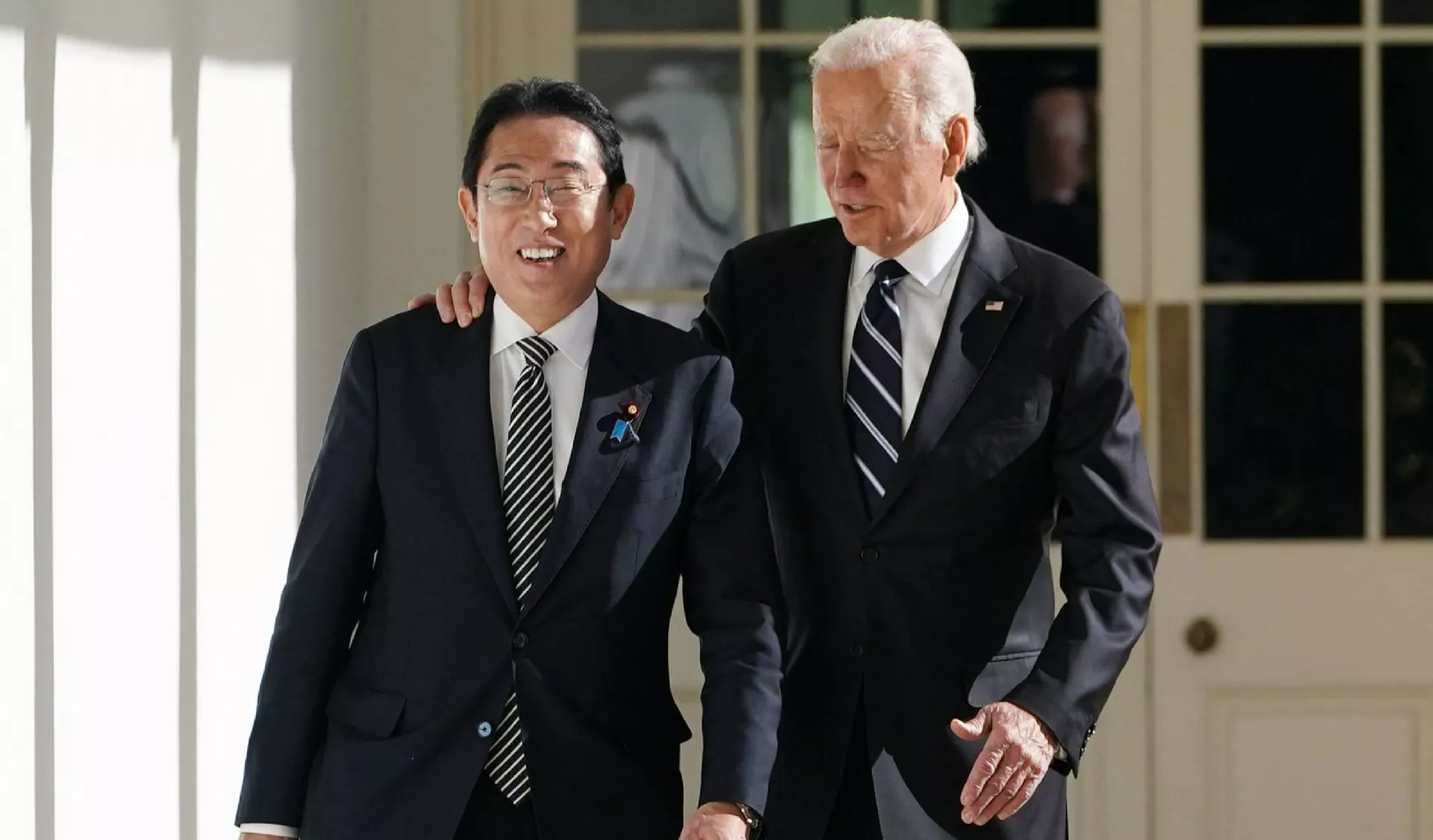
“There will be unprecedented trilateral engagement… you will see commitments from all three nations that involve closer coordination and engagement in the South China Sea and elsewhere,” Campbell said. This would include steps to allow the United States and Japan to jointly develop military equipment, he said.
The Battle for the Pacific
Campbell's public linking of AUKUS and Taiwan, or the summit of the United States, Japan, and the Philippines with the South China Sea, only confirms what the US administration has been announcing since Barack Obama's term – containing China is the next big American political game.
Due to the war in Ukraine and in the Gaza Strip, America's pivot to the Pacific is not progressing as quickly as Washington would like, but things are moving in that direction. All the alliances the United States is forging in the Pacific are linked to resisting China's growing power, including AUKUS, after Australia announced that it had not promised to support Washington in any military conflict over Taiwan.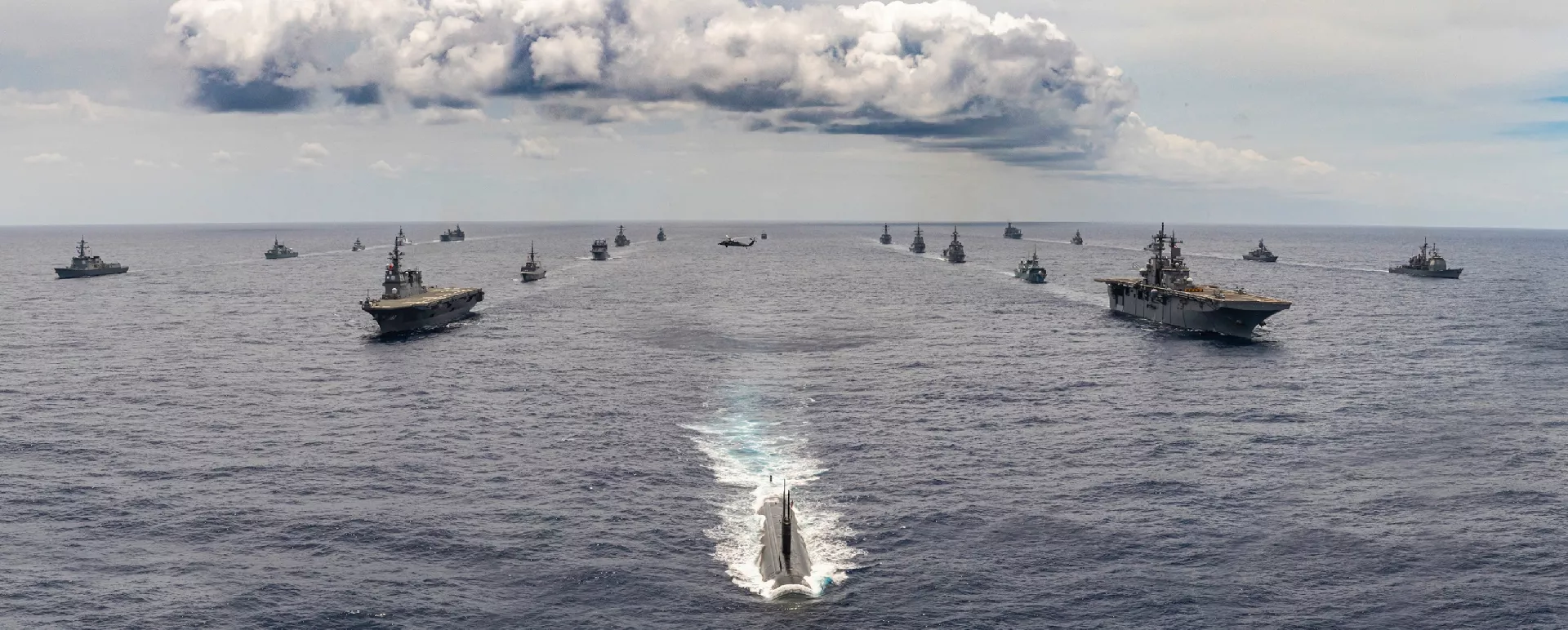
This confrontation with China, unlike the one with Russia in Eastern Europe or Iran in the Middle East, has bipartisan support in the United States, and the first serious blows to China were dealt by former President Donald Trump with numerous sanctions against Chinese technology companies. Thus, America's pivot to the Pacific is one of the policies that the November elections will not significantly affect.
Komentari (0)
Prijavite se za komentiranje
PrijavaJos nema komentara. Budite prvi!
Minuta
Sve →Iz drugih kategorija

High Representative Not Elected: Germans, French and British Against Americans, New Attempt at End of June

ČOVIĆ WITHOUT MERCY: How Those Who Brought Ademović to Office Created a Political Hell for Him



Sunny Saturday, quite warm



Tragedy in Albanian resort: Two minors drown












