
By Armin Sijamić
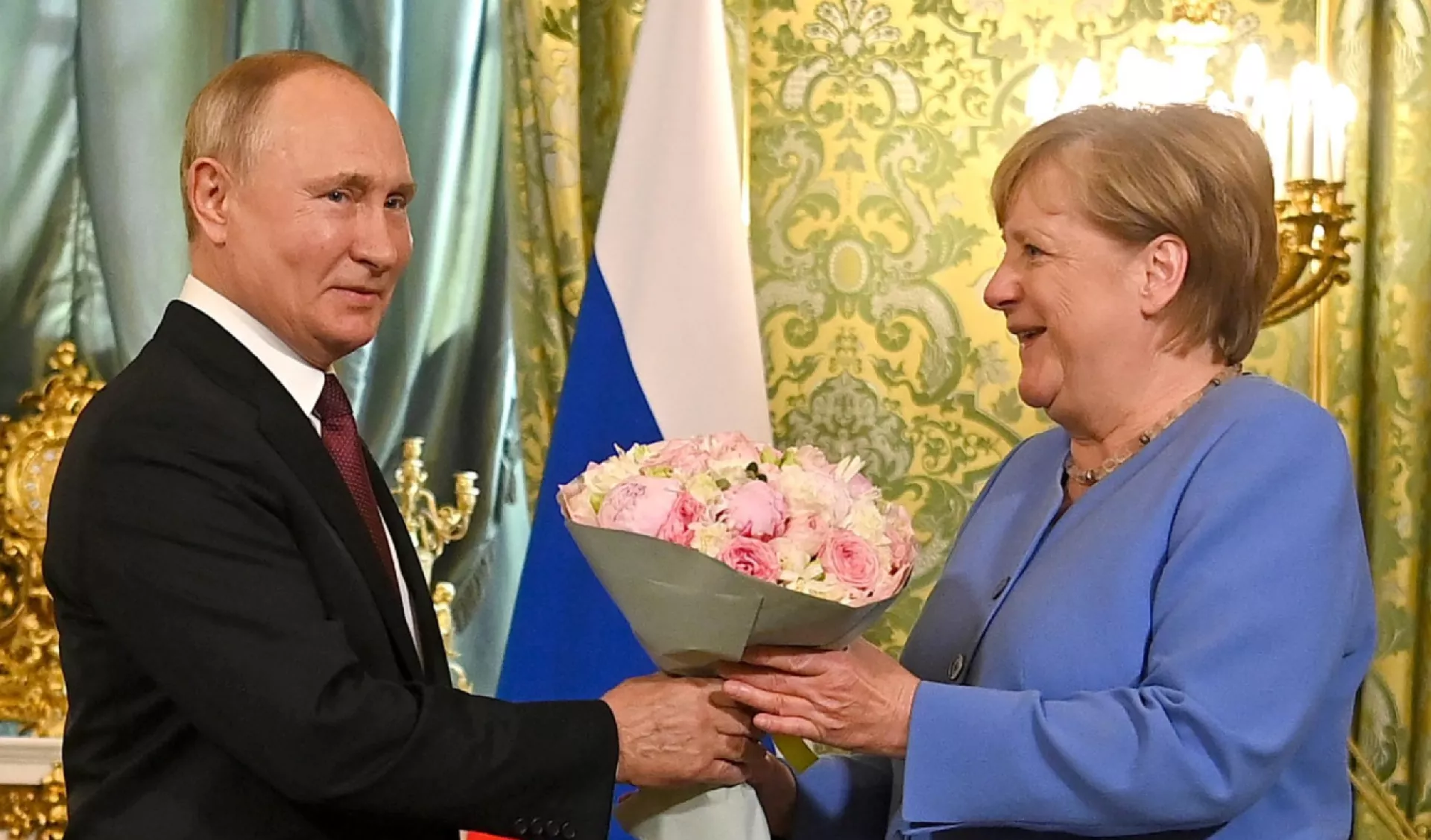
Since stepping down as German Chancellor, Angela Merkel has rarely appeared in public. Her latest statement came at a difficult time for Europe. However, this did not stop Merkel from blaming the weakest within allied ranks for the actions of major powers.
When a politician leaves the stage, their impact becomes a subject of study. Experts from various fields try to systematize and evaluate the politician's work. This sometimes takes decades, and sometimes things are clear the next day.
But, in the case of Angela Merkel, things are different. Besides experts being divided in their assessments of her policies, Merkel is trying from her political retirement to find culprits for things that happened in Europe during her time in power in Berlin.
The strangeness of this is highlighted by the fact that she does not seek blame for the crisis in Eastern Europe in her policies as head of the most powerful EU country, or in Russia and the United States. For her, Poland and the Baltic states are to blame.
In a recent interview with Hungarian media outlet „Partizán“, Merkel said: „In June 2021, I felt that Putin no longer took the Minsk agreement seriously, and that's why I wanted a new format, together with President Macron at the time, where we would talk directly with Putin as the European Union.“ But, „some people did not support this. These were primarily the Baltic states, but Poland was also against it. Those four countries were afraid that we would not have a common policy towards Russia.“
History of wrong decisions
Everything that is happening today with Vladimir Putin's Russia has its roots in the last twenty years. Putin took over the Kremlin at the beginning of the century, and Merkel became Chancellor five years later, serving until 2021. The United States and European powers maintained good relations with Putin at the beginning of this century, exploiting what former Russian President Boris Yeltsin left behind.
Merkel had good relations with Russia, and it seemed that the continent was heading in a good direction. The Chancellor also inherited the “Nord Stream” project, which was the idea of the previous Social Democratic government. The goal was to tie Russia and Germany together. Thus, part of Europe became dependent on energy from Russia, while the Kremlin did not behave as Yeltsin and later Dmitry Medvedev wished, simultaneously filling its coffers and strengthening its military. All this happened without significant influence from Eastern European countries and the small Baltic states.
Angela Merkel's decision to continue buying Russian energy was logical, as their price gave the German economy a comparative advantage in markets around the world.
However, many subsequent moves were mistakes that Europe is paying for today. Russia attacked Georgia in 2008 and seceded South Ossetia and Abkhazia. In 2014, Russia annexed Crimea and in 2022, it launched a full-scale invasion of Ukraine, while German military depots were empty and Kyiv could not be helped, with part of the German elite looking towards the Kremlin with one eye and refusing to align with the United States and the United Kingdom, who stood by the attacked country.
The abrupt break in ties with Russia, which followed in 2022, caused significant damage to the German economy. German companies lost access to the Russian market, paid higher energy prices, and the country remained stuck in the transition to green energy sources.
Before that, Merkel opened the doors to millions of migrants from all over the world, which led to the tightening of the European Union's migration policy. The massive influx of migrants fueled the rise of the far-right, with some of them blaming immigrants for all the world's problems in their nonsensical statements.
It wasn't just the German Chancellor's assessments that were wrong. Often, the policies that followed were also mistaken. Thus, Merkel opposed a harsher US response in Georgia, accepted the annexation of Crimea with little resistance, while simultaneously supporting the overthrow of regimes in the Middle East, which ultimately led rivers of migrants to Europe.
Merkel also made poor decisions in the Balkans. Let's mention just two examples. The first is the support for Serbian President Aleksandar Vučić, who is remembered by everyone as a member of Vojislav Šešelj's Serbian Radical Party and a minister in Slobodan Milošević's government. For a long time, the policy of official Belgrade has been a source of instability in Serbia, Bosnia and Herzegovina, Montenegro, and Kosovo. The second example is the High Representative in Bosnia and Herzegovina, Christian Schmidt, who is trying to impose solutions in our country that do not exist in any European Union country, to which the country he is responsible for should supposedly join one day.
Consequences and designated culprits
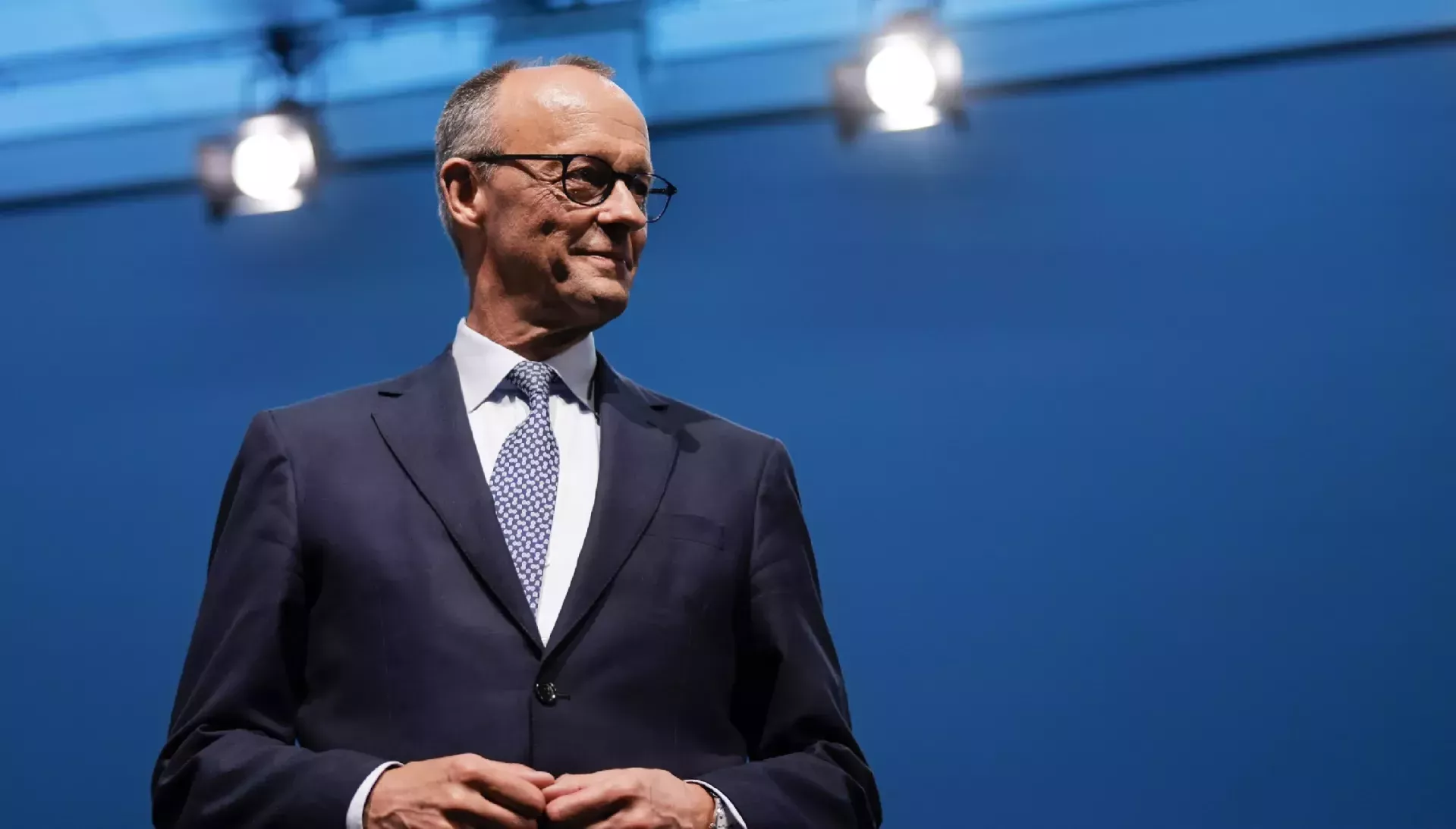
The consequences of Angela Merkel's wrong policies are obvious. Ukraine is at war with Russia, Georgia has turned to Moscow, energy procurement in Europe is difficult, migration problems cannot be ignored, the German economy is in trouble, and the current German government is trying to strengthen the army that Merkel and her Defense Minister Ursula von der Leyen left in disarray. The current German Chancellor Friedrich Merz is trying to fix what can be fixed.
Merkel's statements have angered many. Former Latvian Prime Minister Krišjānis Kariņš is surprised that Merkel is still looking for the culprit in the wrong place. „I always told her that Putin cannot be dealt with in 'good faith', but she believed that the Baltic states were wrong. I was well aware of her views, but I am astonished that after everything that has happened in Ukraine, she still thinks that way,“ he said.
Former Latvian Defense Minister Andris Pabriks has a similar view. „It's not just controversial. It's scandalous. Because it essentially accuses us of enabling the invasion,“ he said. „She turns things upside down and cannot admit her own mistakes, which have actually cost a lot“.
Former Polish Prime Minister Mateusz Morawiecki was harsher than the Latvians: „Angela Merkel, with her thoughtless interview, has proven to be among the most harmful German politicians for Europe.“
Many other Polish officials did not spare Merkel in their reactions. Having learned from their own experience what it means when Berlin and Moscow negotiate about Eastern Europe without Poles, Warsaw says that the solution is not in appeasing Putin, but in common resistance.
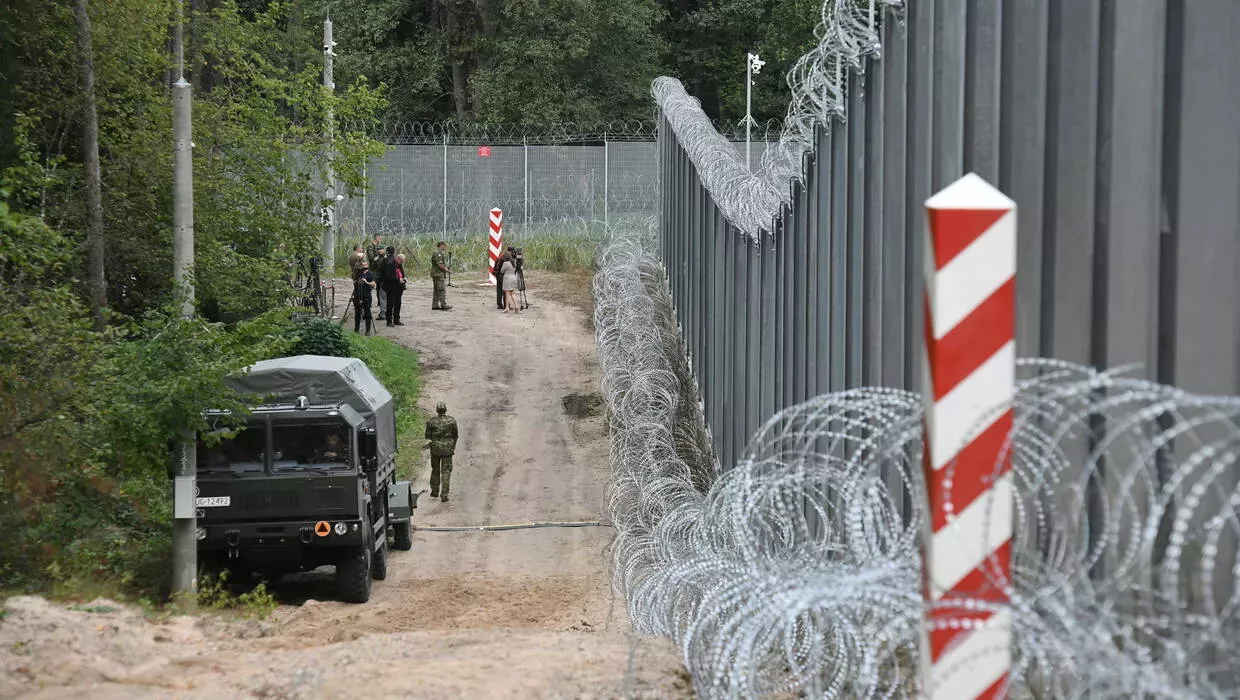
In Russia, they were pleased with what Merkel said. Kremlin spokesman Dmitry Peskov said that „Ms. Merkel is actually right in that regard.“ The European Union is, „unfortunately, a hostage of the fanatical policies of the Baltic states and Warsaw“ on foreign policy issues. The Russian Duma stated in its announcement that Poland and the Baltic states are doing everything they can to „provoke“ conflicts.
It is difficult to know Angela Merkel's intentions with such statements, apart from defending her own policies. In her statement in mid-September, she said that Europe must unite and stand against Russia and China. But in an interview with Hungarian media, the statement was almost the opposite, as she suggested that listening to the demands of Poland and the Baltic states had led Europe into trouble. Whether she meant by unity in Europe following the positions of only one European address is also unclear, but it is more than obvious that the countries of Eastern, Central, and Northern Europe are increasingly raising their voices and demanding a place at the table where decisions are made, and that is not good news for the Kremlin and its allies across the continent.
Komentari (0)
Prijavite se za komentiranje
PrijavaJos nema komentara. Budite prvi!
Minuta
Sve →Iz drugih kategorija

High Representative Not Elected: Germans, French and British Sabotaged Americans, New Attempt at End of June

ČOVIĆ WITHOUT MERCY: How Those Who Brought Ademović to Office Created a Political Hell for Him



Sunny Saturday, quite warm



Tragedy in Albanian resort: Two minors drown












