
By: Armin Sijamić
US President Donald Trump is now in a situation that many American politicians and analysts have warned him about – every next step means greater or lesser damage to American interests.
Israeli Prime Minister Benjamin Netanyahu, although forced by Trump and Tehran to limit destructive operations in Lebanon under the pretext of targeting Shiite Hezbollah "hideouts" on every corner, can be somewhat satisfied with the development of the situation in the war against Iran that he so desired.
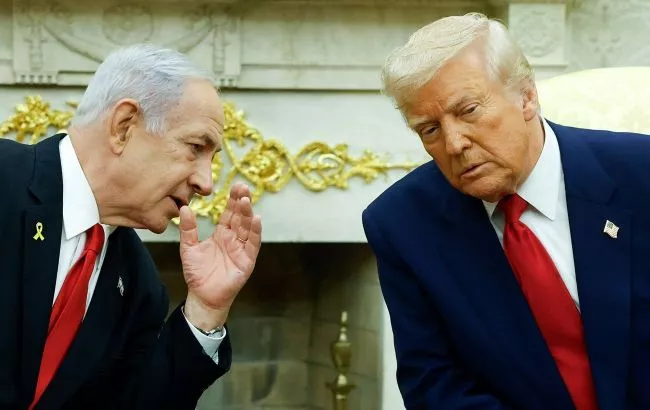
The attack on Iran did not yield the desired results for Netanyahu; on the contrary, in some aspects, it strengthened the government in Tehran and its power to act beyond Iran's borders, but it gave the Israeli prime minister an important tactical victory – the war against Iran became Trump's concern, and the American president is seen as someone who will fix what can be fixed, if he is unable to militarily defeat Iran and change the government in Tehran. In such a scenario, Israel is mentioned less and less in the media.
This was also noticed on Monday by German Chancellor Friedrich Merz, who said that the war against Iran did not go as planned and that Tehran is now stronger than before the war. Merz did not stop there, adding that the American "nation has been humiliated" by the Iranian leadership.
Merz, a staunch defender of Israel, struck at Trump's ego with this remark, as it is clear that the Iranians did not humiliate the American people and that from the first day of the war, they have pursued a policy of not wanting to anger the American people, whom they want as an ally in confronting the American political elite.
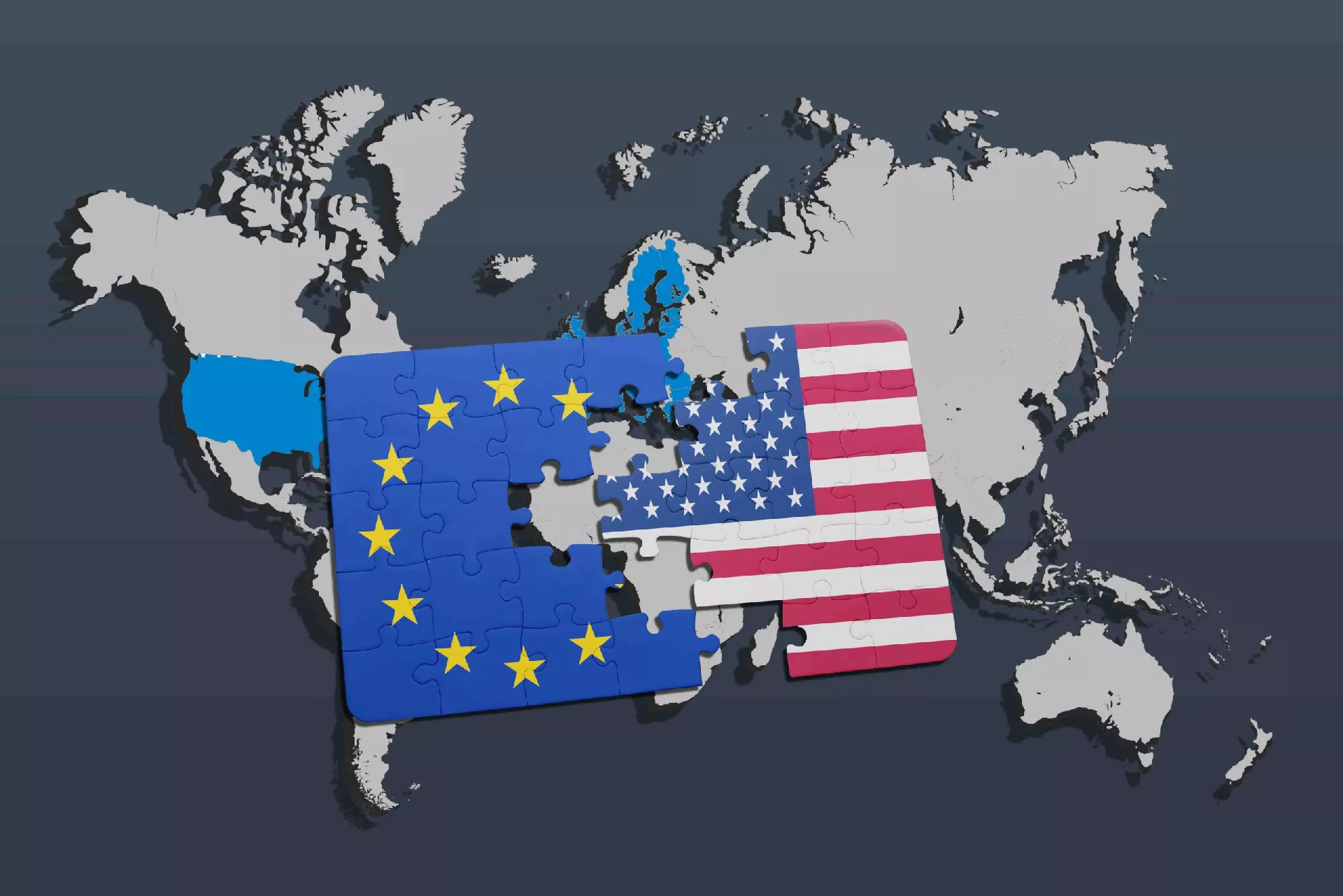
A day later, Trump responded to Merz on his social media platform Truth Social. Claiming he was doing well with his policy towards Iran, Trump said Merz "has no idea" what he was talking about and that it was "no wonder" Germany under him looked so "pathetic" both "economically" and "in other ways."
Difficult Negotiations
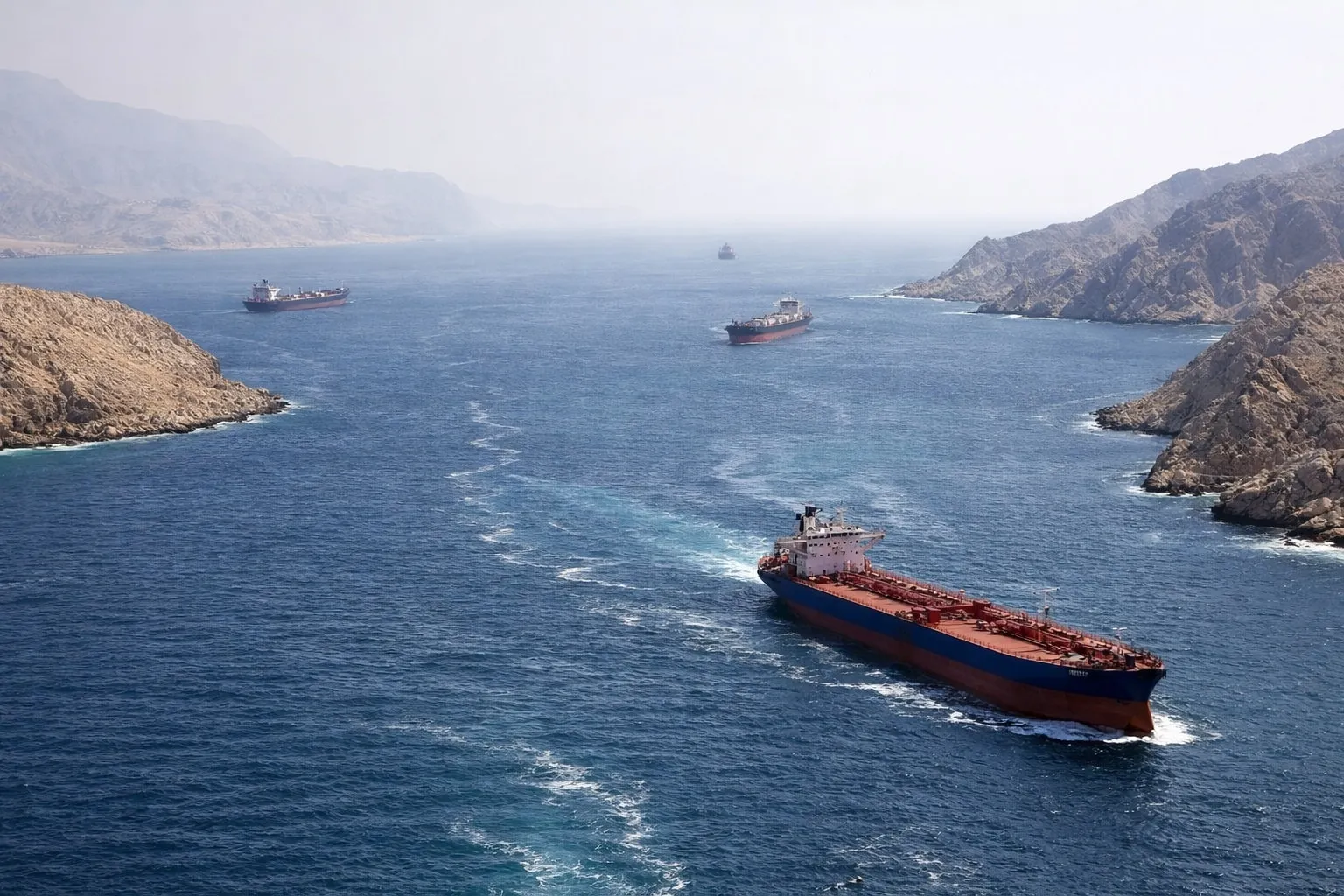
The core of the stalemate in negotiations between the United States and Iran is the Strait of Hormuz, although both sides claim otherwise in public.
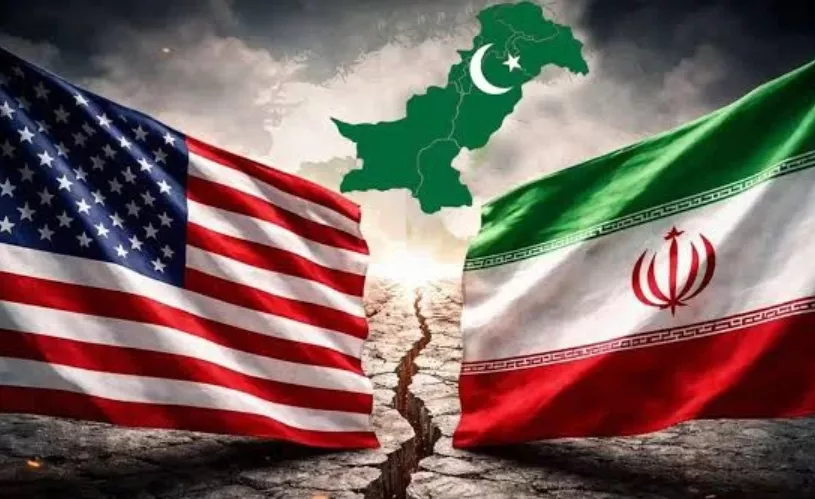
The Americans say that the Iranians must give up their desire for nuclear weapons, while Tehran demands that the Americans lift the "blockade" of Iranian ports, which they are carrying out on the open sea, hundreds of kilometers from Iran's shores. These are supposedly the main obstacles to an agreement.
But the situation is different: Iran has claimed for years that it does not want nuclear weapons, and the only question is up to what point it will enrich uranium, while the Americans "catch" a ship or two in response to Iran's control of passage through the Strait of Hormuz.
Negotiations in Pakistan, according to various reports, revolved around the Strait of Hormuz, as control of this corridor means control over about twenty percent of the world's oil and natural gas.
Iranian Strait of Hormuz
Americans, Israelis, and many others do not like the idea of Iran controlling the Strait of Hormuz, as this turns Tehran into an important global player, much more than the role it had before the American-Israeli attack on February 28.
By controlling the Strait of Hormuz, Iran can influence the policies of Trump, the West, and several Arab states. Since the end of February, according to Iranian sources, Iran has been selling record amounts of oil and simultaneously charging passage through the strait to whomever and whenever it wants, even choosing the currency. The American side is aware of this and is clearly tolerating it for two reasons, showing that there is still room for diplomacy.
The first reason is to avoid the continuation of the war if force is used in the strait, after a two-week ceasefire that has expired and no one is extending it, which technically means the war is ongoing, even though no one is shooting at Iran or from Iran. The second is the agreement for Iranians to collect part of the damages suffered in the war through control of the strait. Namely, Iran demanded compensation from Washington as part of a peace agreement. The American side cannot accept this, and it would be a humiliation, to use Merz's terms.
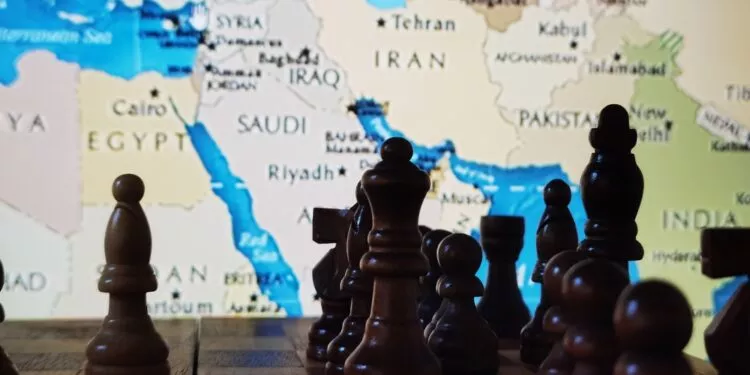
It should be recalled that in the early days of the war, an Iranian proposal was on the table for Washington to pay compensation amounting to about one hundred billion dollars. This figure matches the amount of frozen Iranian assets in banks, which Iran cannot access due to US sanctions.
Control over the Strait of Hormuz can bring this money to Iran, and Washington does not have to lift sanctions. Before February 28, an average of 128 ships with various cargo passed through the strait daily, or over 46,000 in a year. Since then, Iran has charged up to two million dollars per ship for passage. Therefore, with record oil sales, for which Washington has temporarily lifted sanctions, and charging for passage through the strait, Iran could very quickly reach the amount of one hundred billion dollars.
Costly Diplomacy
In mid-April, Trump called the Strait of Hormuz the "Iranian Strait" in a social media post, and the White House shared it on its profiles. Some time later, dissatisfied with the stance of European allies towards the military option of opening the Strait of Hormuz, Trump stated that its opening was not necessary for the United States and that those who need oil and natural gas could open it.
These statements show that Trump understands who controls the strait and what that means. Trump knows that Iranian control over the strait could benefit the United States as a major oil exporter and manager of Venezuelan oil, provided oil prices remain high. What worries Trump is inflation at home and the troubles faced by European and Arab allies.
Charging tankers for passage through the Strait of Hormuz is the least of Trump's problems, as the end consumers will ultimately pay for it. What worries Trump is that this turns Iran into a world power. For example, Russia controls about twelve percent of the world's oil, about seventeen percent of natural gas, a fifth of the world's production of artificial fuels, and about six percent of aluminum. By controlling the Strait of Hormuz, Iran has about a quarter of the world's oil, a fifth of liquid gas, a third of the world's production of artificial fuels, and about a fifth of the world's aluminum production in its hands.
Such a development would turn Iran into a regional hegemon in a short time, possessing money, an army, allies, culture, and ideology. This does not please some Arab states, such as the United Arab Emirates. This country decided yesterday to leave OPEC and OPEC+, which indicates that this American and Israeli ally has other plans on how and to whom to sell its oil and how to conduct its policy.
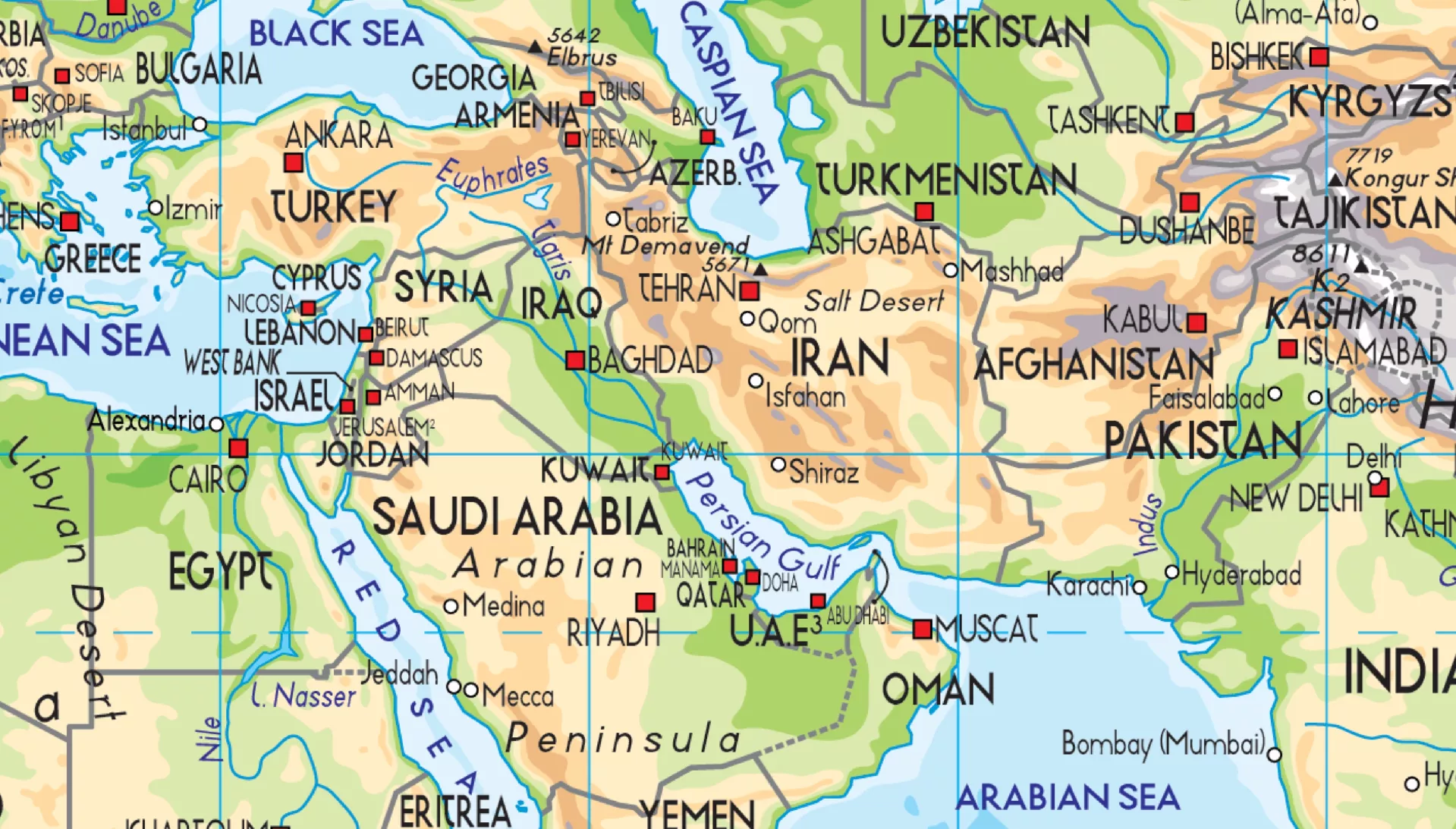
Because of this, and other factors, Trump's negotiating position is difficult. The Iranian army, in a war that lasted about forty days, has ensured that Iranian negotiators do not have to agree to just any deal, and Trump has understood the warning that there are no easy decisions or quick victories with Iran.
A lasting agreement between Washington and Tehran is desired by many around the world, besides themselves. But until then, some processes and business are proceeding as usual, and the two sides are thus giving themselves additional time for negotiations on numerous issues. Therefore, it would not be surprising if the current situation on the ground continues, or if the war restarts at any moment.
}Komentari (0)
Prijavite se za komentiranje
PrijavaJos nema komentara. Budite prvi!
Minuta
Sve →Iz drugih kategorija

High Representative Not Elected: Germans, French and British Sabotaged Americans, New Attempt at End of June

ČOVIĆ WITHOUT MERCY: How Those Who Brought Ademović to Office Created a Political Hell for Him



Sunny Saturday, quite warm



Tragedy in Albanian resort: Two minors drown












