
By Armin Sijamić
The US-Israeli attack on Iran is a globally important issue. The European Union and some European politicians, with a delay compared to some others, have spoken out on this issue and said things contrary to what they advocate within their own borders.
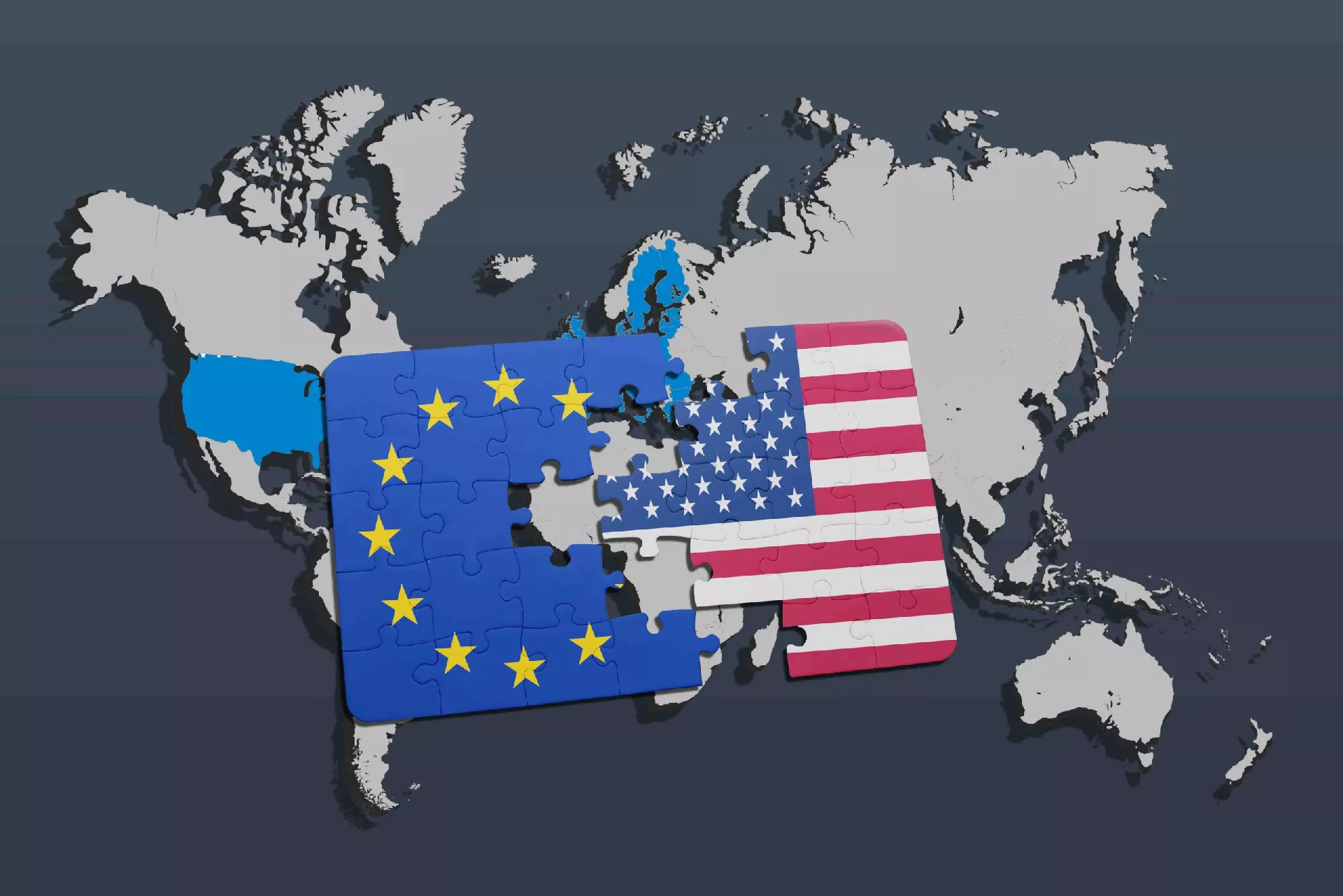
When talking about the values of the European Union, it is always emphasized that it is a "peace project", that it is an idea for European nations to finally live in peace. This idea has been alive in most of the European continent for eighty years and as such is one of the greatest achievements of the West. The idea of European unity and peace among European states is therefore magnificent in itself.
However, things begin to get complicated for the European Union at its borders, where European ideas and values often do not apply. There, the European Union sometimes advocates ideas that it rejects at home. The citizens of Bosnia and Herzegovina have been experiencing this firsthand since 1992. The amount of injustice and double standards in relation to Bosnia and Herzegovina is astonishing, starting from the denial of the right to defense against armed aggression, to today when, for example, some people do not have the right to vote or be elected. And all this on the supposed "European path" of Bosnia and Herzegovina and under the auspices of the all-powerful Office of the High Representative (OHR).
Miscalculations
There are many similar examples, but to understand the European Union's stance on the war in the Middle East, one must also pay attention to another major war – Russia's aggression against Ukraine, which began four years ago, preceded by the annexation of Crimea in 2014. Eight years later, Vladimir Putin was a partner to the European Union, while at the same time Ukraine was promised membership.
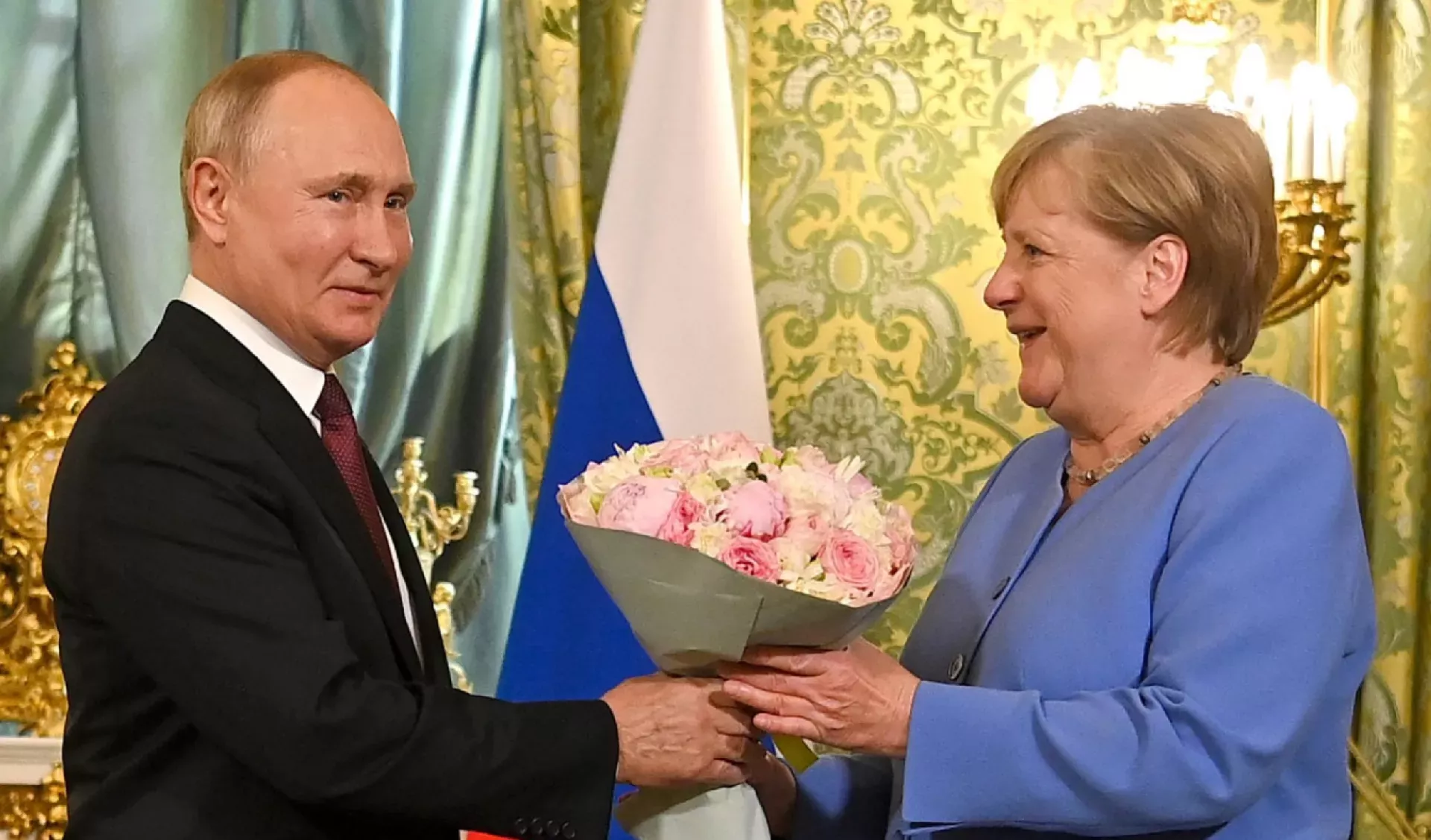
If Joseph Biden had not been in the White House at the time, the European Union might have overlooked the attack on Kyiv. Before Russia's aggression against Ukraine, Biden warned that it was being prepared, and received responses from European allies that it would not happen. When it did happen, the reaction of some European countries was tragicomic. Germany, for example, offered Kyiv medical aid, helmets, and tents, as if Ukraine had been hit by an earthquake and not subjected to armed aggression against a poor country.
Biden then convinced the Europeans to stand behind Ukraine, which they did and continue to do so today, even as the United States sends mixed signals. Brussels has told the world that it should not attack a sovereign state and that peace is a better option than war. In addition to weapons, money, and aid of all kinds to Kyiv, Brussels has imposed sanctions on Russia and taken the stance that the idea of the European Union is being defended in Ukraine.
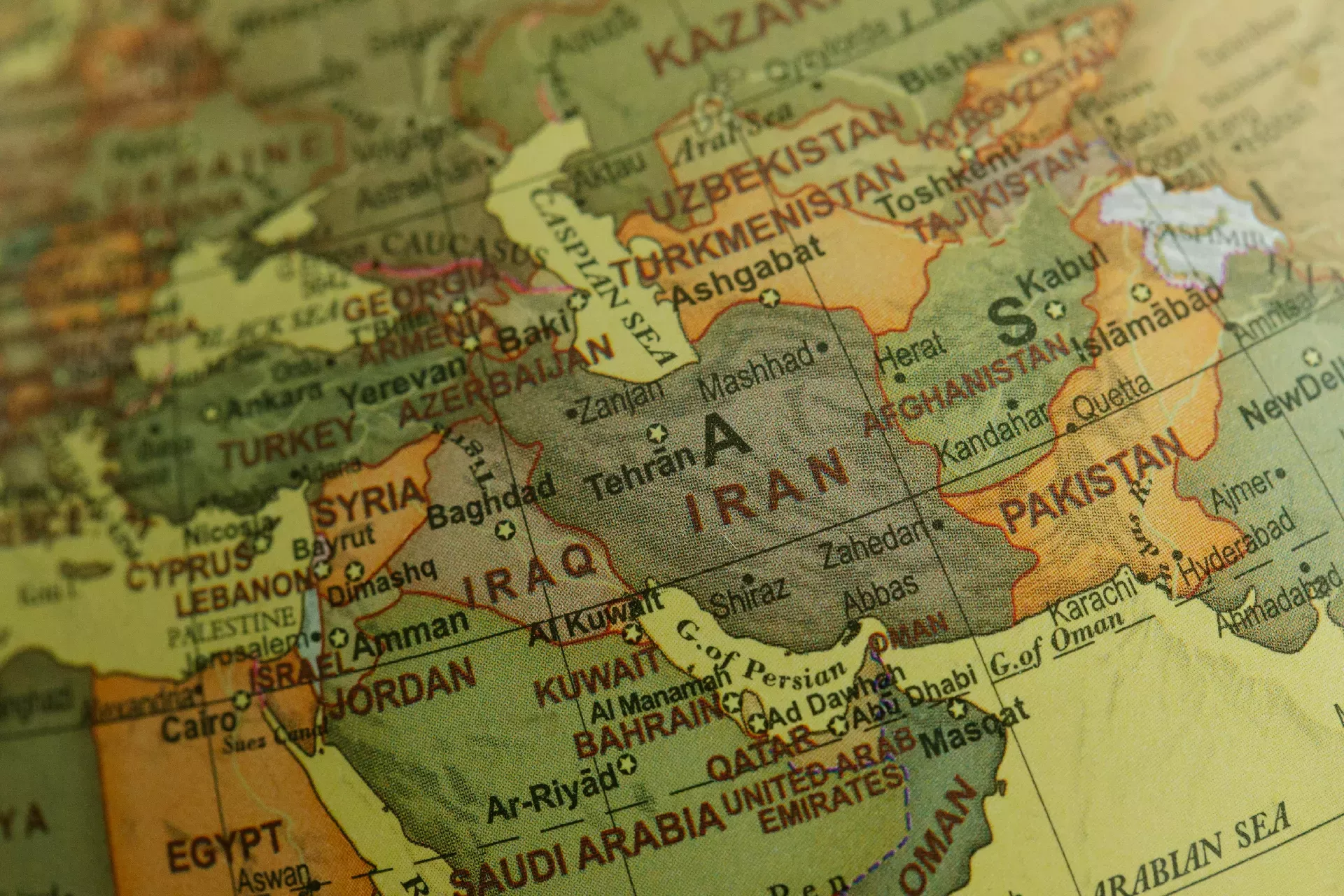
This position is natural for the European Union. Resisting war as such and the violation of international law is a fundamental idea of the European Union. However, less than twenty months after the start of the Russian invasion of Ukraine, Brussels is changing its tune – silence on the Israeli destruction of Gaza, Lebanon, and then the attack on Iran. Moreover, Israel has received the support of a large part of the European Union for such behavior.
Brussels and the Middle East: A History of Wrong Decisions
Why doesn't the European Union defend peace in the Middle East? Such a stance would, just as in Ukraine, be consistent with its fundamental ideas. After all, peace in the Middle East means a reduced influx of illegal migrants into Europe, the availability of energy resources to replace those from Russia, and the strengthening of trade ties for mutual benefit, if people living there mean nothing to many in the West.
In the middle of last year, German Chancellor Friedrich Merz explained his country's policy, and consequently the situation in the European Union. "Israel has the right to defend its existence and the security of its citizens. Iran wants to destroy the state of Israel. Our state reason is to defend the state of Israel in its existence," he said. "Without Iran, the (attacks) in Israel on October 7, 2023, would not have been possible. Hamas, Hezbollah, and the Houthi rebels are terrorist organizations financed and equipped by Iran."
From these statements, it can be concluded that Merz believes that Israel wants peace in the Middle East, that Iran wants war, and that Germany rejects terrorism. Merz believes this even after the US-Israeli attack on Iran on the last day of February. "The sooner the mullahs' regime stops, the sooner this war will end. It is solely up to that regime and the so-called Revolutionary Guard to cease hostilities," Merz said last week, calling the actions of the US and Israel against Iran a continuation of "their defense."
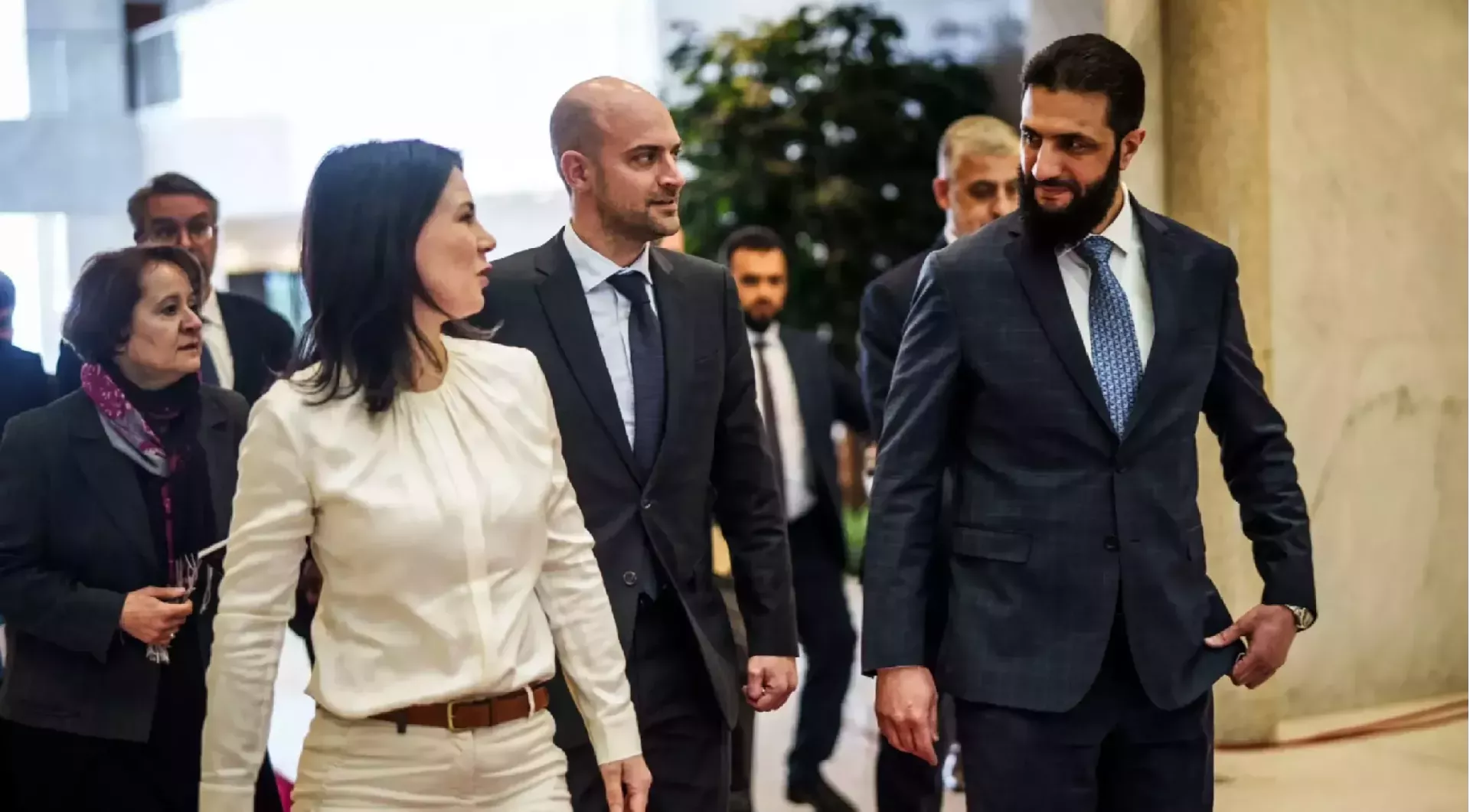
These verbal acrobatics by the German Chancellor are accompanied by concrete actions. In addition to helping Israel, Germany and some other EU countries have continued the fight against terrorism through cooperation with the former leader of Al-Qaeda, Ahmed al-Sharaa – the current leader of Syria.
Merz's loyalty to Israel and Washington at the expense of (in)stability at home was also evident during his recent meeting with US President Donald Trump, who threatened Spain because the official Madrid dared to seek peace in the Middle East. Spanish Deputy Prime Minister Yolanda Díaz then said that Merz was among the EU leaders "who have no idea how to manage the historical moment we are living in" and accused him of "vassalage" to Trump.
Merz is not the only one with such a stance. French President Emmanuel Macron has already sent troops to defend Israel from Iranian attacks, concerned about civilian casualties and peace in the Middle East. French forces intercepted Iranian missiles and drones, but it did not occur to them to intercept any projectile heading towards Gaza or civilians in Lebanon.
The behavior of the people at the head of the European Union is similar. The head of European diplomacy, Kaja Kallas, who sided with Israel, imposed sanctions on Iranian officials. If such a decision were to be judged by her explanation, then the question is why she did not find such cases on the other side from the beginning of the war in Gaza, up to the recent liquidation of over 160 girls in a school in Iran.
The Idea of the European Union as a Great Power
This alignment of some EU countries on one side, in a war that is very unpopular even among Trump's voters and parts of his administration, leads to the loss of the role of a side that often tries to present itself to the rest of the world as a moral beacon. This is the same Trump who extorts the European Union with tariffs, the seizure of Greenland, and the cessation of aid to Ukraine.
This particularly applies to the alleged protectors of Christianity and the West. Pope Francis told those advocating for war on Friday that they should go to confession and assess whether they are following Jesus' teachings, and called for an end to the war against Iran, which could turn into a conflict with millions of victims.
In disputes with Trump, numerous European officials have called for greater EU independence, as, according to European Commission President Ursula von der Leyen, the international order has collapsed and "the West as we know it no longer exists."
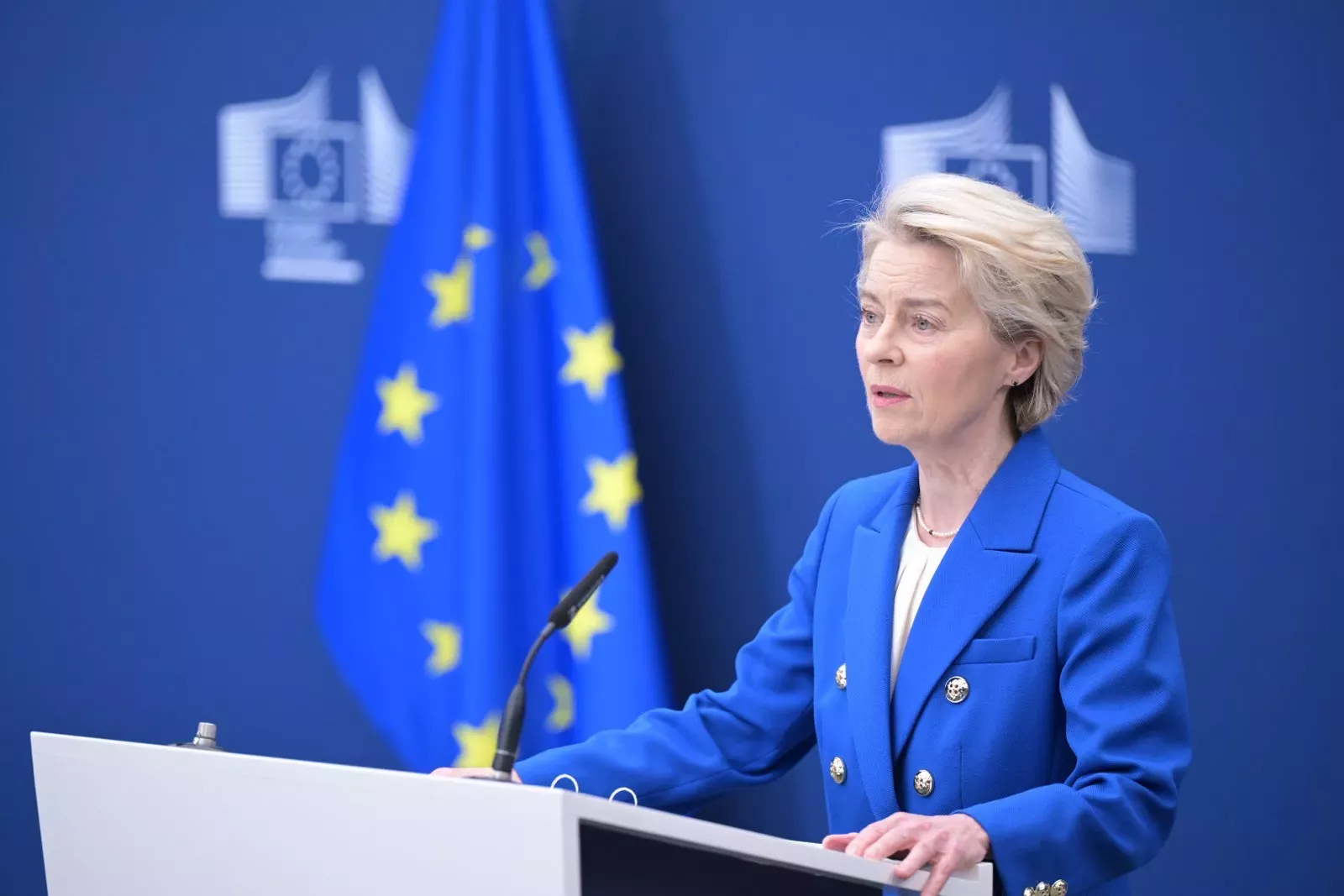
The idea of the European Union being more independent from the warmongering Trump and Putin has been welcomed by many as commendable. But how is it possible to advocate for this stance if the European Union behaves this way towards the war in the Middle East?
Who does the European Union intend to cooperate with if it sees Russia as an enemy, wants to distance itself from Trump and official Washington, has double standards in the Middle East, and wants to compete with China? Where, for example, would the European Union obtain energy resources if this situation persists?
These and numerous other questions do not seem to burden the most important political figures in the European Union. And that is a legitimate stance, even a plan – if it exists. But in that case, it is not rational to distance oneself from Trump if he is doing what Brussels supports. In the general crisis in the world and Europe, it seems that the old European powers lack politicians like they used to have more than anything else.
Komentari (0)
Prijavite se za komentiranje
PrijavaJos nema komentara. Budite prvi!
Minuta
Sve →Iz drugih kategorija

High Representative Not Elected: Germans, French and British Sabotaged Americans, New Attempt at End of June

ČOVIĆ WITHOUT MERCY: How Those Who Brought Ademović to Office Created a Political Hell for Him



Sunny Saturday, quite warm



Tragedy in Albanian resort: Two minors drown












