
For NAP writes: Sifet Kukuruz, legal expert
Property that was owned by the state of the Republic of BiH and property over which, according to the Constitution of the Republic of BiH, ownership could not be acquired (natural resources and goods in general use) remains in that legal regime, i.e., legal status, until that legal regime is replaced by another legal regime - a heavier one, or until the status of the property is regulated differently.
In the period from the adoption and entry into force of the Constitution of the Republic of BiH, up to the adoption and entry into force of the Constitution of BiH on December 14, 1995, only forms of ownership and property-legal regime established by the Constitution of the Republic of BiH could exist in legal life.
Given that the BiH Constitution of 1995 amended the Constitution of the Republic of BiH, it means that before the adoption of the 1995 Constitution, "entity ownership" could not exist, as the Constitution of the Republic of BiH did not allow for the existence of entities. Namely, as long as the legal order of the Republic of BiH is in effect, only property owned by the Republic of BiH and property over which ownership cannot be acquired, but only the right of disposal, exist, and these are natural resources and goods in general use.
As long as the legal order of the Republic of BiH is in effect, entities cannot exist, nor can entity ownership, and the legal order of the Republic of BiH was in effect until December 14, 1995. The BiH Constitution clearly and precisely stipulates this.
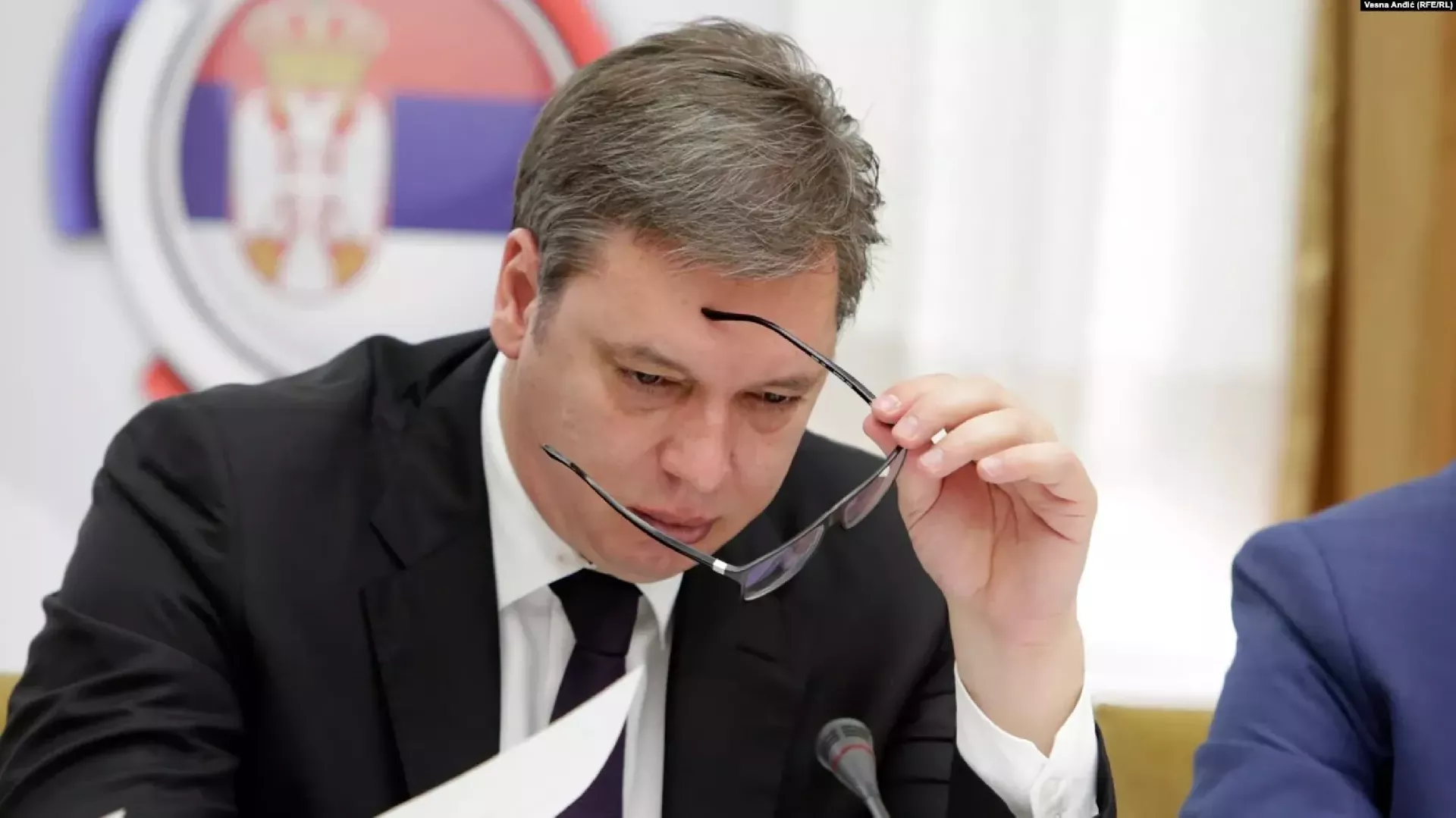
If the President of Serbia, Aleksandar Vučić, claims that the BiH Constitution of 1995 does not state anywhere that property belongs to the state, then he should accept the fact that until the adoption of the BiH Constitution, the legal regime established by the Constitution of the Republic of BiH was in force. And that legal regime does not recognize entities, nor entity ownership, but only state-owned property and natural resources and goods in general use over which ownership cannot be acquired.
Therefore, until the adoption of the BiH Constitution of 1995, exclusively the legal regime and forms of ownership established by the Constitution of the Republic of BiH existed, and such constitutional state was valid until December 14, 1995. And such legal state remains valid until a different legal regime regarding property is established at the state level by a decision of a state body.
An entity that was unconstitutionally established during the period of the constitutional-legal order of the Republic of BiH could not acquire ownership rights, because the state of the Republic of BiH did not pass regulations on property disposal during the period 1990-1995.
In this regard, there can be no doubt that a state body has not transferred, nor could it transfer, ownership rights over any property to an unconstitutionally established entity through a special law or other acts, nor has it enabled it to acquire ownership rights over natural resources or goods that, according to the Constitution of the Republic of BiH, were in general use.
The President of Serbia should also consider the fact that, according to the legal order of the Republic of BiH, entities could not only not have ownership rights, but could not even constitutionally exist. Vučić should clarify how it is possible for an entity that was unconstitutionally created to constitutionally acquire ownership of property that was state-owned.
Vučić should also respect the fact that the entities approved the BiH Constitution, and Article XII/1 of the BiH Constitution stipulates that the Constitution enters into force as a constitutional act that amends and supersedes the Constitution of the Republic of Bosnia and Herzegovina by amendment. The state of the Republic of BiH and the entities have stated that they approve the BiH Constitution.
This means that the entities have also accepted the provision of the BiH Constitution which stipulates that until December 14, 1995, exclusively the legal regime of the Republic of BiH was in force. Otherwise, it would be legally impossible to repeal the Constitution of the Republic of BiH and the legal order based on that Constitution, if it were not in force. And the BiH Constitution precisely repealed the Constitution of the Republic of BiH, which did not allow for the existence of entities or "entity ownership".
Vučić should also reflect on the fact that the BiH Constitution explicitly stipulated the continuity of republican laws, regulations, court procedures, authorities, institutions, and other bodies. Therefore, by approving the BiH Constitution in 1995, the entities recognized the constitutional-legal order of the Republic of BiH, which did not allow for their legal existence, and consequently, for the existence of entity ownership.
That is why the BiH Constitution represents a birth certificate for the entities. Entities, as newly established administrative units within BiH, if they dispose of property, can only dispose of state property, and certainly not their own property.
If the legal order of the Republic of BiH was in force until December 14, 1995 - and it was, and if the Republic of BiH legally continued to exist after 1995 under the changed name as BiH - and it did, then it is completely clear that entities did not have, nor could they have had, property until 1995. And after 1995, no regulation was adopted that would allow entities to acquire ownership of property.
And they do not have that property and cannot have it until the state of BiH regulates the issue of disposal of state property by a special law.
Komentari (0)
Prijavite se za komentiranje
PrijavaJos nema komentara. Budite prvi!
Minuta
Sve →Iz drugih kategorija

High Representative Not Elected: Germans, French and British Against Americans, New Attempt at End of June

ČOVIĆ WITHOUT MERCY: How Those Who Brought Ademović to Office Created a Political Hell for Him



Sunny Saturday, quite warm



Tragedy in Albanian resort: Two minors drown












