
By Armin Sijamić
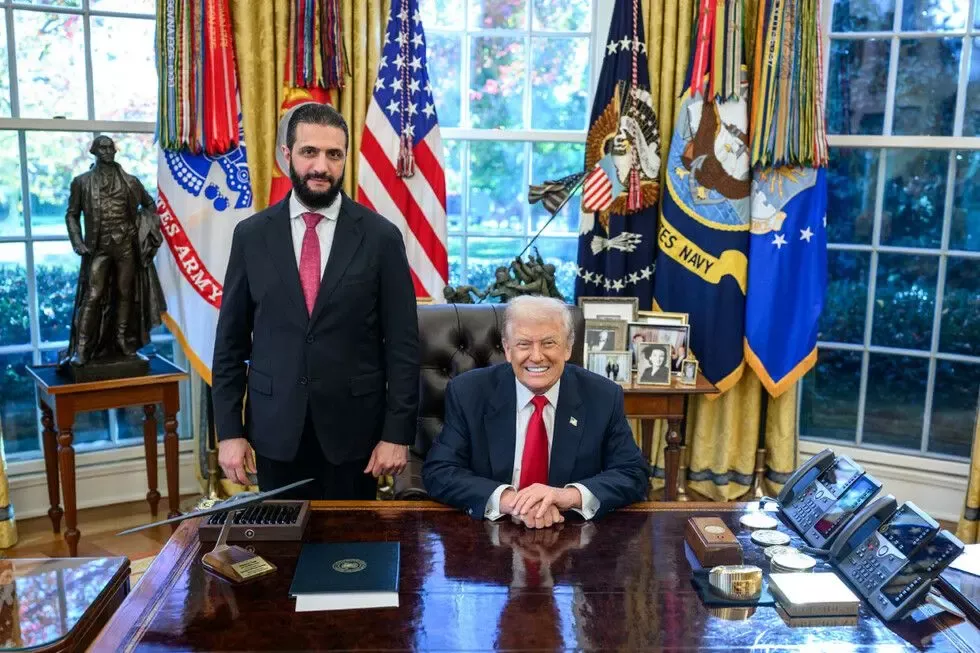
On Monday, US President Donald Trump received Ahmed al-Sharaa. It took the former al-Qaeda and ISIL member about twenty years to go from an American prison in Iraq and an American wanted list and sanctions to the White House as the Syrian president and an ally of Washington.
Ahmed al-Sharaa became the first Syrian president to visit the White House. This in itself is significant, as Syria has been an enemy of the West for decades. A country changing sides is nothing new – it has been happening since the dawn of time. However, the case of the current, formally interim, president of Syria goes beyond these boundaries, especially when it comes to official Washington and the fact that Trump has met al-Sharaa three times in six months.
Namely, al-Sharaa was designated a terrorist by Washington, and a bounty of ten million dollars was placed on his head. The former prisoner in an American jail in Iraq became globally known when he appeared in the Syrian war as the leader of al-Qaeda under the name Abu Mohammad al-Golani. Today, al-Sharaa is an American ally whom Washington seriously counts on.
Visit to Washington
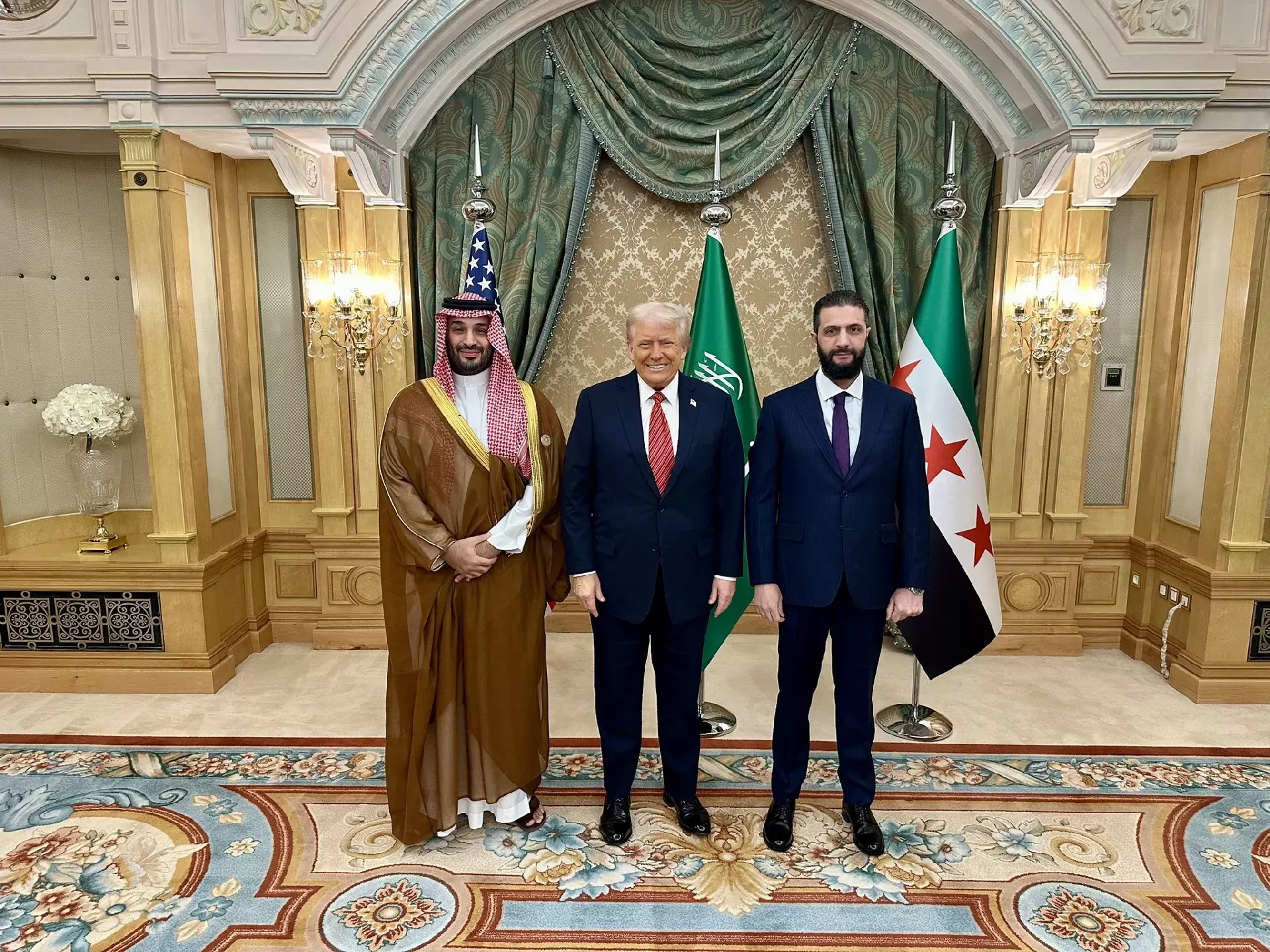
Al-Sharaa's visit to Washington was long in the making. Various restrictions were lifted for the guest from Syria for this visit. Trump said two days ago that he had lifted US sanctions on him after appeals from Turkey and Israel. This information alone speaks volumes about what Washington expects from its guest.
Formally, al-Sharaa came to Washington to seek the lifting of US sanctions, which had financially exhausted the previous regime of Bashar al-Assad. The US Caesar Act of 2019, i.e., sanctions, were so strict that they exhausted even neighboring Lebanon, which did not have these punitive measures imposed on it. The new Syrian leader sought a complete lifting of sanctions and received a three-month suspension of the aforementioned act from the US Department of the Treasury.
For the act to be fully repealed, Congress must vote on it. Therefore, al-Sharaa also met with some congressmen. One of his interlocutors was Republican Brian Mast, a vocal advocate for all forms of US aid to Israel. A photograph of him and al-Sharaa, already well-known, speaks louder than words – together, the former leader of al-Qaeda and a former US soldier who lost both legs in Afghanistan in one of America's "wars on terror".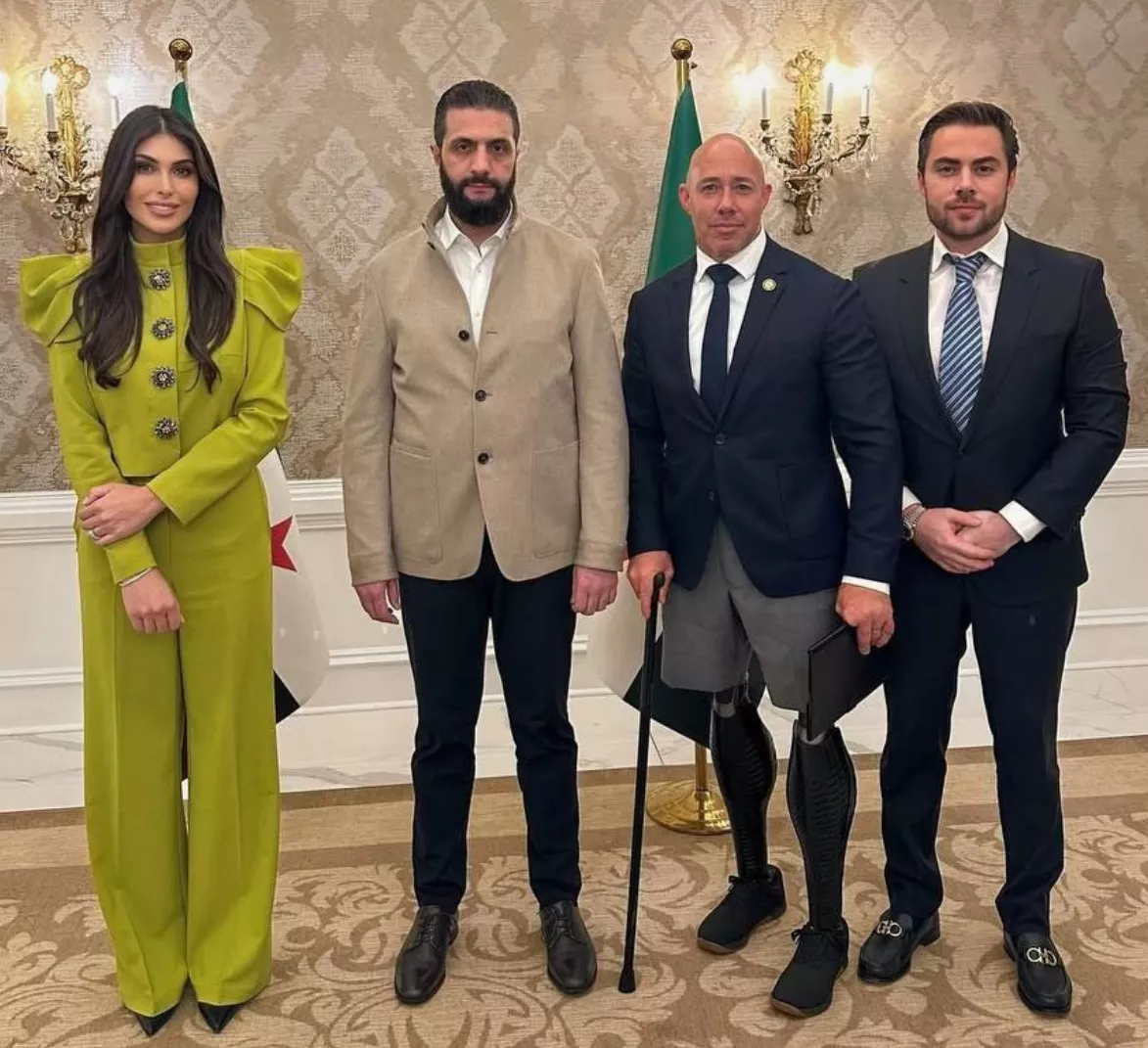
Ahmed al-Sharaa and Brian Mast
Another important pro-Israeli voice in American politics and a Trump ally, Republican Senator Lindsey Graham, insisted that sanctions on Syria be lifted if al-Sharaa ensures representation of ethnic minorities in the government, removes foreign fighters from government and security institutions, and guarantees "maintaining peaceful relations with other countries in the region, including the State of Israel".
Democratic Senator Jeanne Shaheen also has no doubt that this is an opportunity for Syria to change permanently, calling for the complete repeal of the Caesar Act. "We currently have a real opportunity in the Middle East that we haven't had in my lifetime," said the experienced American politician.
New Syria
The importance of this visit for the Middle East is not evident from what some American media outlets have highlighted. As the main points of this epochal change for the Middle East, which took place in the White House, the media highlighted Trump's statements that his interlocutor was a "strong leader" and "we all had a difficult past," along with a promise that his administration would do "everything we can to make Syria successful."
Another piece of news highlighted by the American media is that Syria is joining the coalition to fight ISIL, which now numbers ninety countries. If this were a serious coalition genuinely wanting to defeat a handful of fanatics brought to Syria and Iraq to overthrow these countries, the same media would likely ask against whom Assad's government had been fighting for years, and how it was that al-Sharaa marched into Damascus as the victor in December last year among all the rebel Syrian leaders.
But it is precisely in the idea that the new Syrian government is fighting its old comrades that the important news reported by Reuters last week lies – the United States plans to establish a military presence at Damascus airport. Thus, alongside the Russian presence, which is now conditional on the goodwill of Damascus, Ankara, and Tel Aviv, American soldiers could also come to Syria.
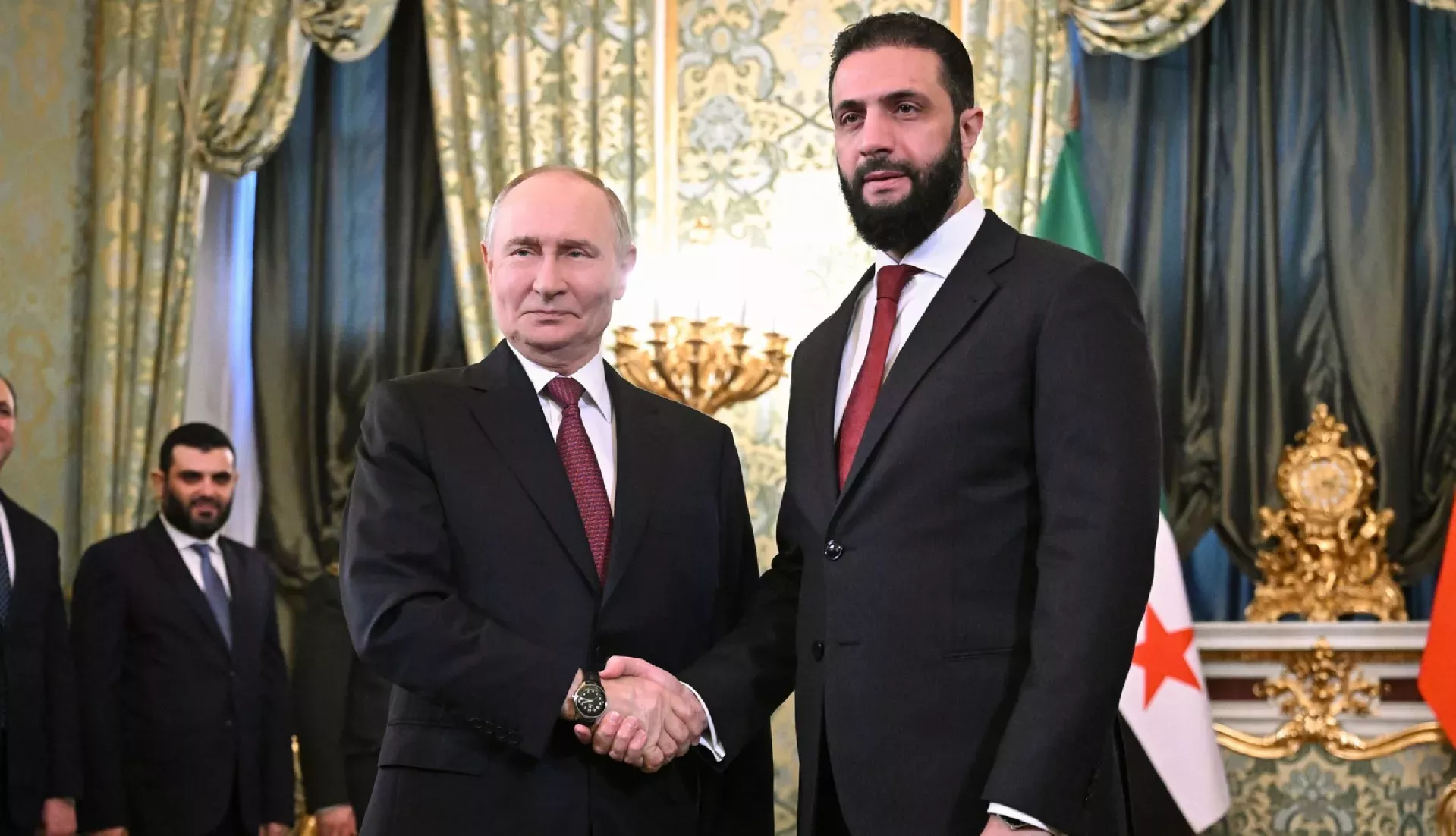
The ties between the two countries will also be formally elevated to the highest level, as the United States will soon reopen its embassy in Damascus.
Concurrently, Syrian Foreign Minister Asaad al-Shibani met with Secretary of State Marc Rubio and their Turkish counterpart Hakan Fidan in Washington. The continuation of the integration of the predominantly Kurdish Syrian Democratic Forces into the Syrian army was agreed upon.
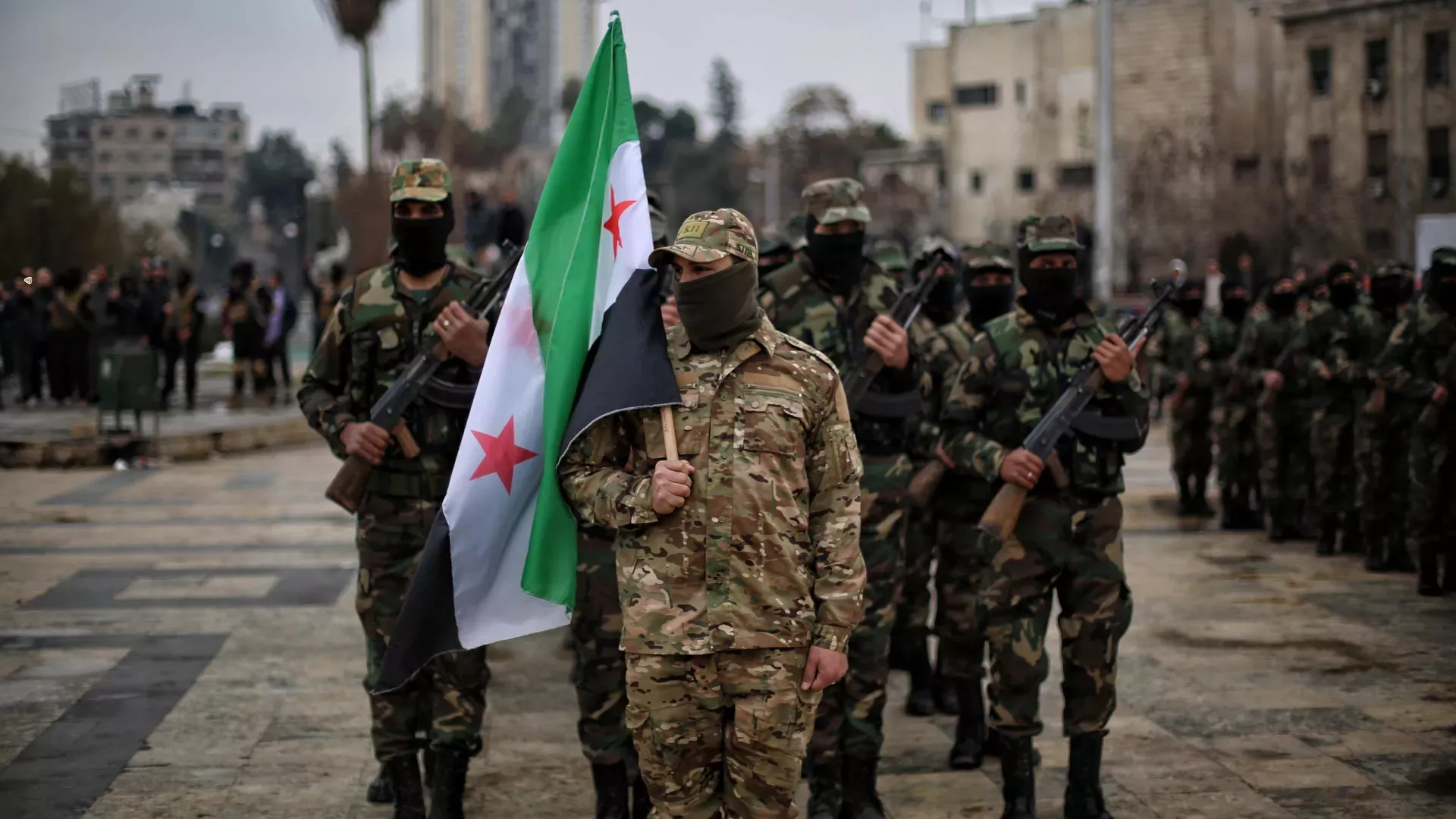
Furthermore, American and Syrian delegations discussed the mutual recognition of Damascus and Tel Aviv, which would end decades of war between the two states. This has been discussed since al-Sharaa came to power, while Israeli forces occupy southern Syria and periodically bomb the country.
New Middle East: Who are the new terrorists?
With the fall of al-Assad, an era in the Middle East has ended. Hamas's attack on Israel on October 7, 2023, triggered a chain reaction. Tehran has lost its land connection between (pro)Iranian forces from the Iranian borders to Lebanon, where the Shiite Hezbollah is now fighting for survival.
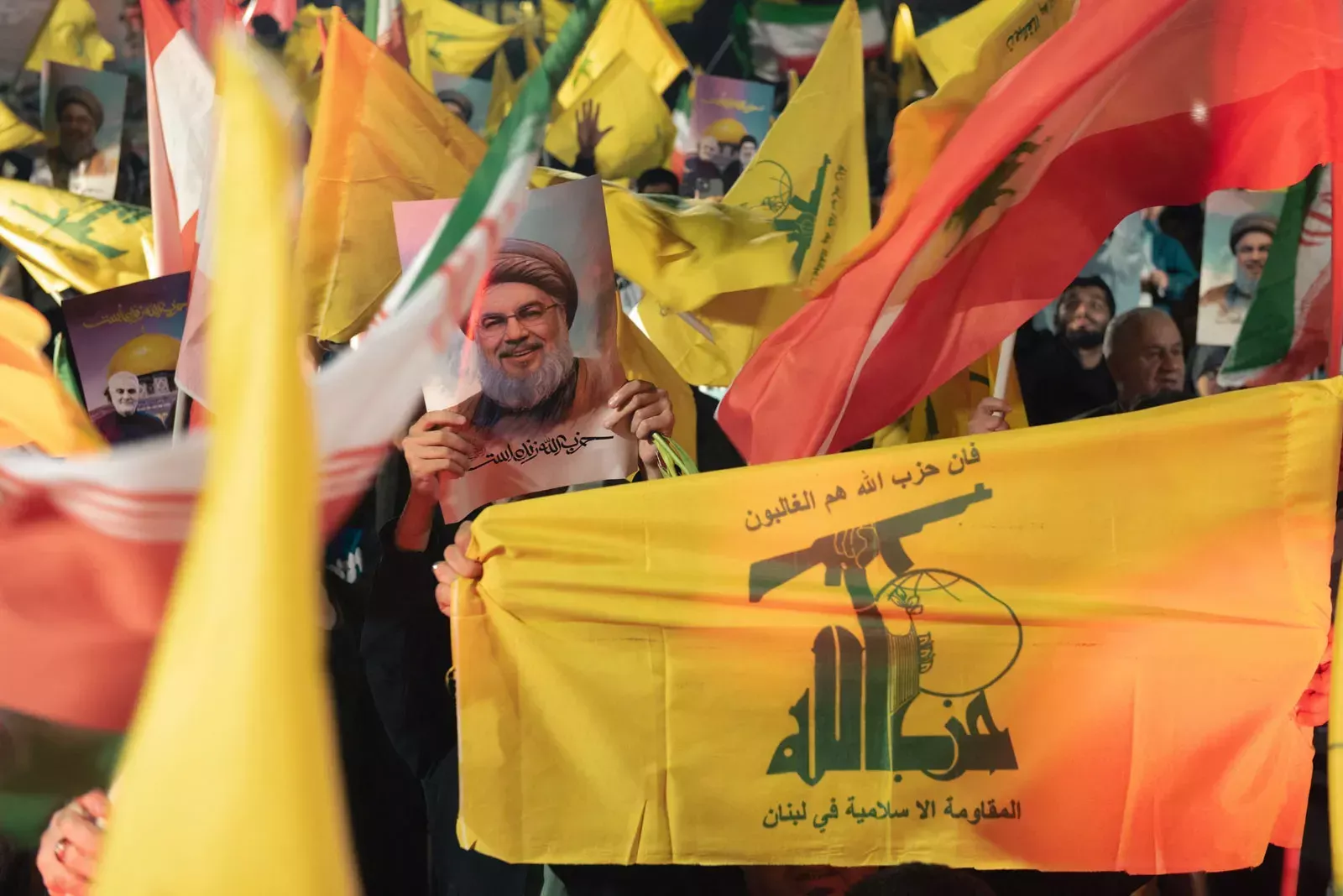
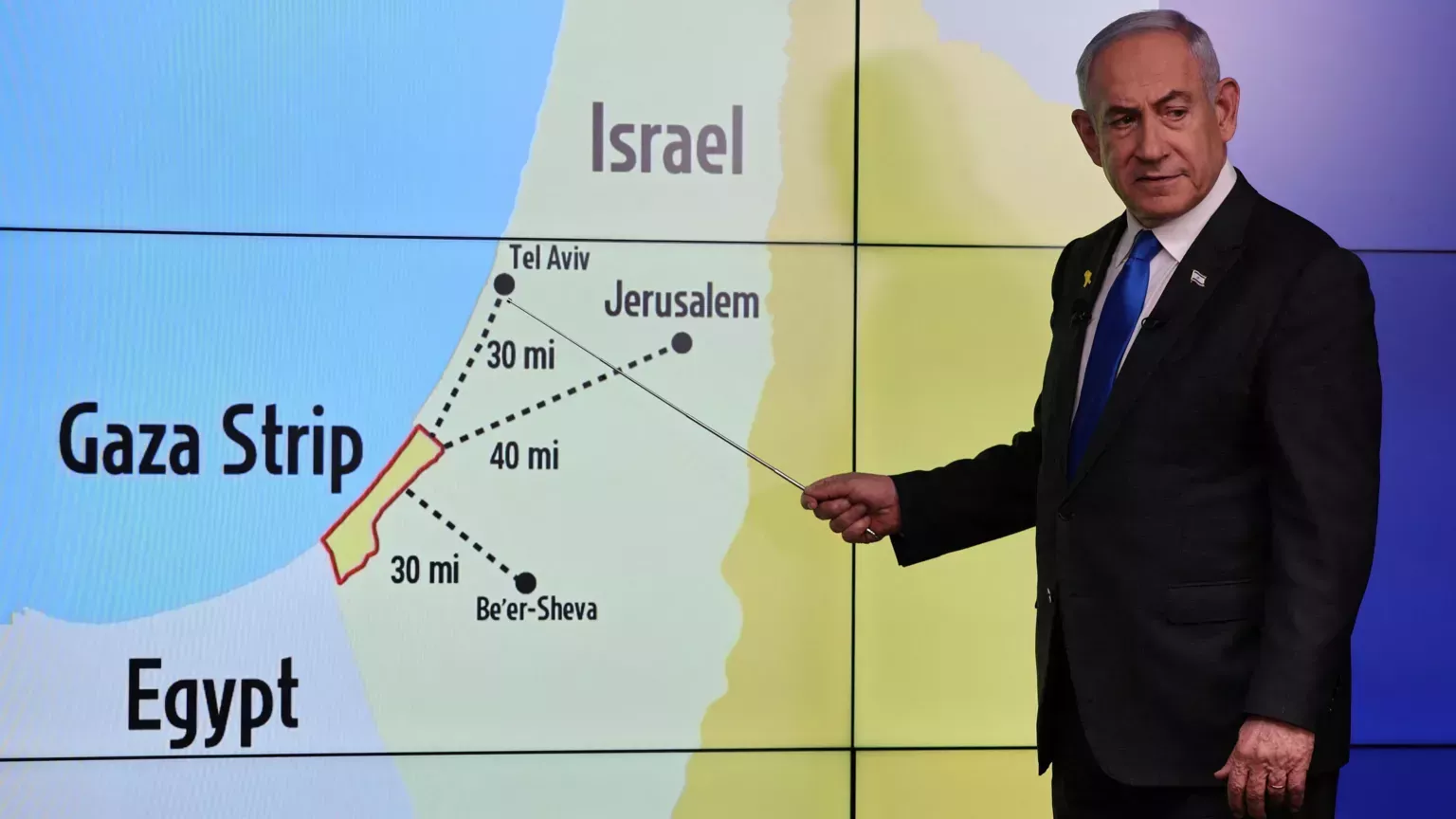
The blow that Iran suffered is perhaps best described by the words of the new president of Syria, who stated that their only problem in the region is Iranian influence, and the media reported that official Damascus has begun shutting down Palestinian organizations in Syria. There is no doubt that the attitude of official Damascus towards Iran and the West will be reflected in various ways on Iraqi Shiite militias and Hezbollah, which remains a subject of Israeli interest, after Trump led regional leaders to accept his plan for the Gaza Strip.
The list of changes caused by Hamas's attack does not end here. Since the establishment of the new government, according to various reports, over 2,500 people have been killed in Syria, with the majority of victims coming from minority groups. This particularly applies to Alawites, who were left without protection after al-Assad's flight to Moscow, and against whom the new authorities have committed numerous crimes. There are also Syrian Kurds, caught between the interests of Washington, Ankara, and Damascus, and finally, the Druze, whose interests are now represented by Israel.
Trump's actions towards Syria are realpolitik and it was expected that he would exploit the situation on the ground left by his predecessor Joseph Biden, after decades of American efforts to overthrow al-Assad. Thus, the new Syrian government will strengthen the positions of the United States and its allies in the Middle East. Someone like Ahmed al-Sharaa is suitable for these purposes.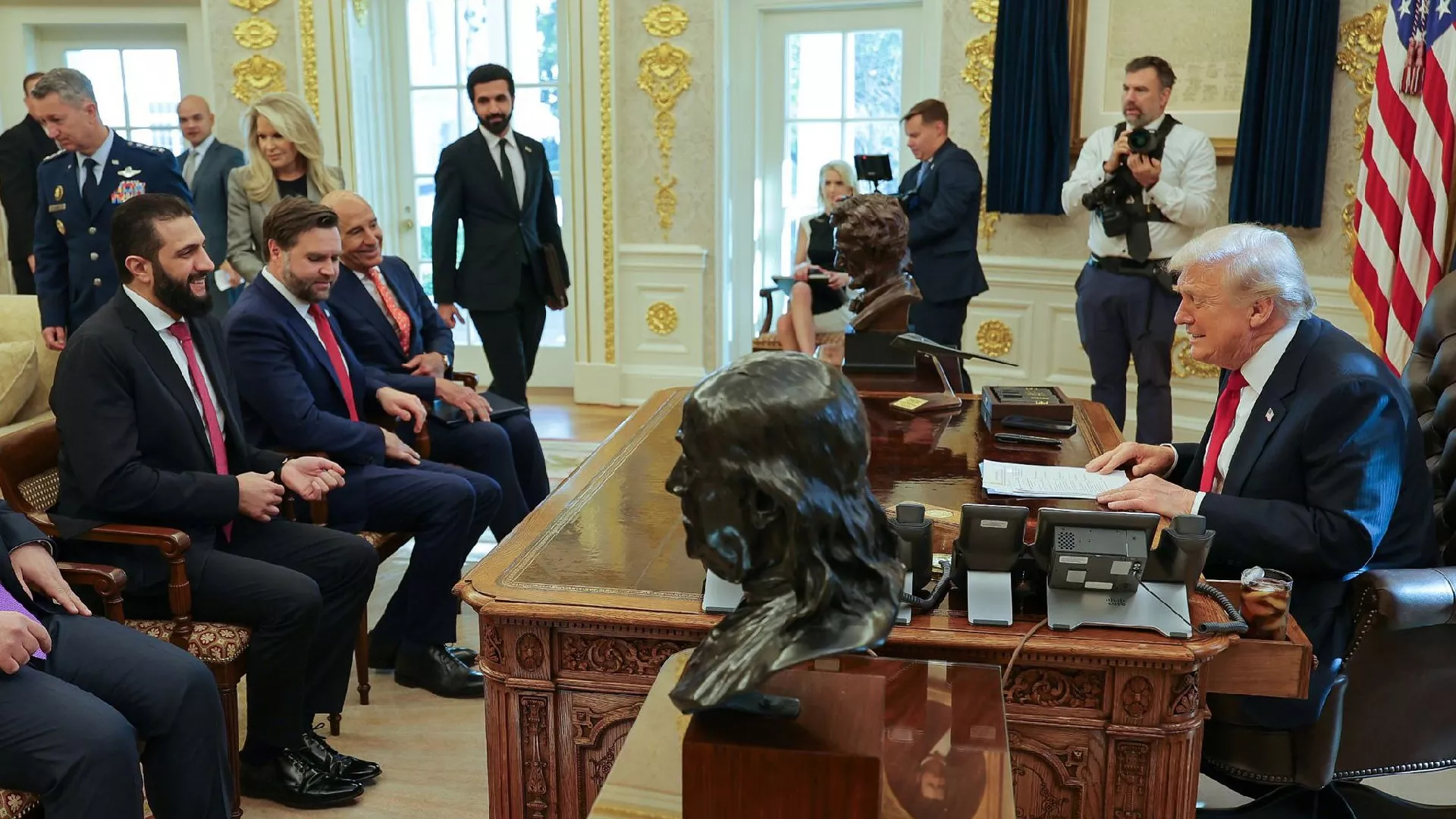
Al-Sharaa and Trump in the White House
This playing with the narrative of good and bad guys, Muslims, is particularly important as Trump and his supporters have been launching insults at their fellow countryman Zohran Mamdani, the newly elected Democratic mayor of New York, for months.
Trump's supporters accuse the young American politician of introducing Sharia law into America's largest city, of being a jihadist and an extremist, and demand his deportation from the United States, while the US president tells Nigeria that he will defend Christians there from Boko Haram, an ally of ISIL. At the same time, Trump remains silent on the suffering of Christians in Syria, Lebanon, and Palestine, and elsewhere.
Ultimately, American and global victims have been ignored, hundreds of thousands of civilians in several countries devastated in the "war on terror" after the terrorist attack of September 11, 2001. George W. Bush then told the world: "Either you are with us, or you are with the terrorists." Although Trump has never praised Bush's policy, it would be interesting if the current president tried to describe his policy concisely like his predecessor. Perhaps that message could be: "Either you are with us, or you are bad."
Komentari (0)
Prijavite se za komentiranje
PrijavaJos nema komentara. Budite prvi!
Minuta
Sve →Iz drugih kategorija

High Representative Not Elected: Germans, French and British Sabotaged Americans, New Attempt at End of June

ČOVIĆ WITHOUT MERCY: How Those Who Brought Ademović to Office Created a Political Hell for Him



Sunny Saturday, quite warm



Tragedy in Albanian resort: Two minors drown












