
By: Rasim Belko
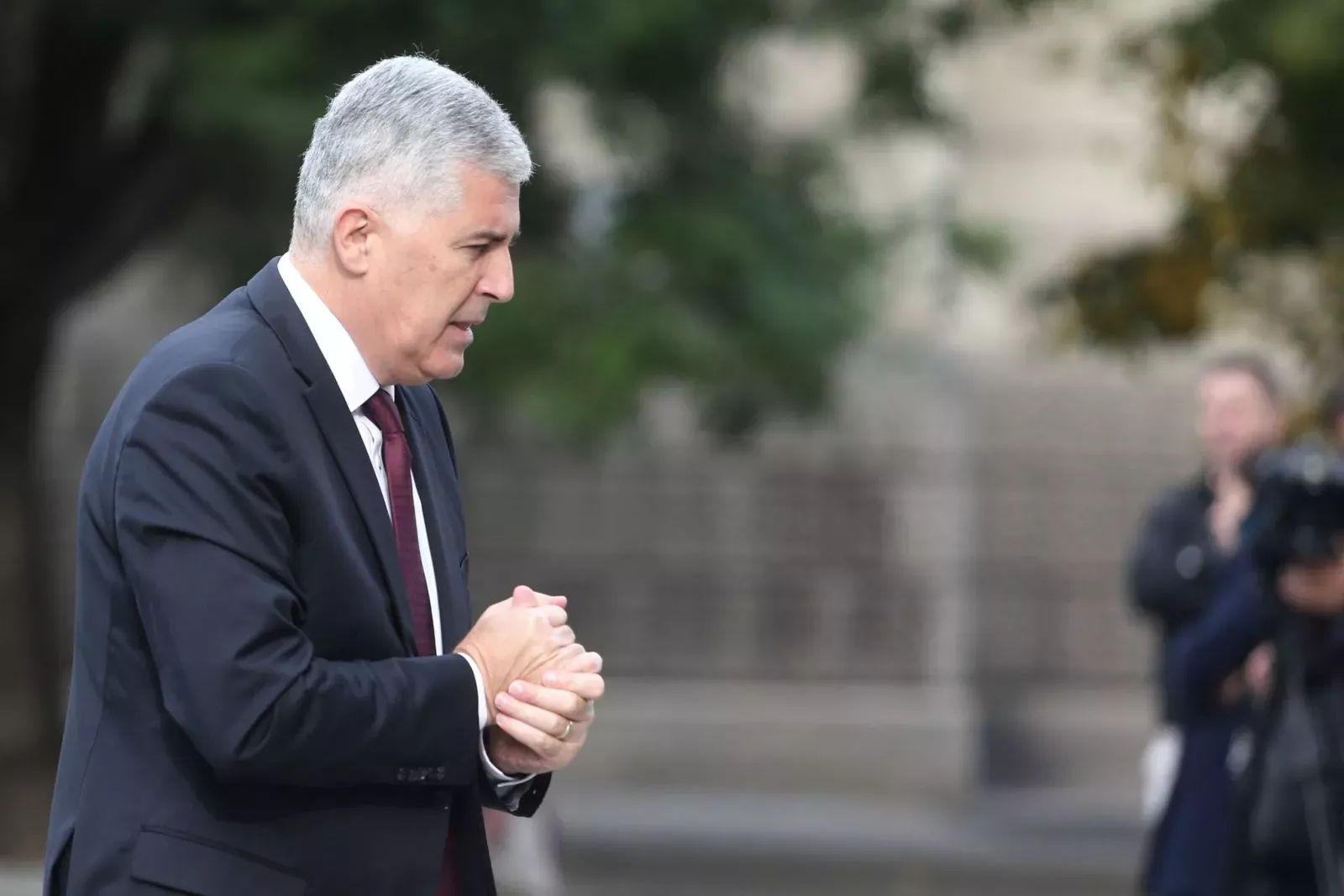
In a country where politics resembles a bad Turkish soap opera — with constant betrayals, returns of former characters, and fake pregnancies (read: reforms that are not) — Dragan Čović is that character who never leaves the series.
He only changes his hairstyle and wardrobe, but his story remains the same.
Dodik is an open secessionist, which makes him easier to target. His rhetoric is crude, boorish, and offensive, causing discomfort to international officials, but also relief because everything is clear. Čović, on the other hand, wears a tie, talks about "Euro-Atlantic values," and attends meetings punctually. And that's the problem.
Trojka and Bazaar Philosophy: "Don't Touch It Until It Touches You"
For the Trojka, direct confrontation with Čović is a political luxury they cannot afford. Not because they don't know how dangerous he is, but because they have consciously or under pressure handed over all key levers of power to the HDZ, both at the state level and at the FBiH entity level.
Brussels and Washington like to listen to Čović when he promises to "contribute to stability," while the Trojka has no common stance even on city streets, let alone on strategic issues.
Instead, they focus on populist topics — from ironing restaurant bills to witch hunts against SDA and Bakir, hoping to cover up their own political deficit.
SDA and HDZ: A Possible Episode of the Old Marriage in a New Guise
If anything is constant in BiH, it's that ethno-national parties agree most quickly when the people are living the worst. Over the decades, SDA and HDZ have built mechanisms of mutual political benefit; HDZ controls Herzegovina, the House of Peoples, financial flows, the energy sector, and healthcare. SDA controls Bosniak-majority areas, cantons, and institutions they need for internal consolidation.
In SDA's return mandate, after the Trojka inevitably ends with their own own goals, a marriage with Čović is almost certain. Not out of love, but out of a political survival instinct. Civic BiH will once again be forgotten, and the talk of equal rights for peoples will again be turned into a division of positions.
The International Community is Silent. Why? Honestly, Because They Can!
For EU bureaucrats, BiH is an exotic destination where they come, give lectures on democracy, and then return to Brussels for cocktails. As long as Čović doesn't block fund transfers or publicly insult an ambassador, he is a "constructive partner" to them.
The Americans are even worse — for them, it's enough for someone here to mention NATO and reforms, and they declare him a "leader who understands the challenges of the 21st century."
Why would they spend resources on a country that doesn't know what to do with itself? Until there's gunfire here or an embassy seriously catches fire, Bosnia and Herzegovina remains a low priority in the inboxes of the EU and the State Department.
For decades, Bosnia and Herzegovina has functioned like a bar before closing time — everyone is already tipsy, it's known who sits with whom, the bills are unknown, and the waiter (read: the international community) prays that someone finally leaves.
In that bar, Čović sits in the corner and writes his own rules on a napkin, the Trojka drinks on credit, and the SDA occasionally comes to ask if the bar is free.
The problem is that, in this arrangement, no one plans to close the bar. Ethnic elites are satisfied, international officials regularly collect their daily allowances and reports, and citizens — those who haven't left yet — survive between election cycles and health insurance cards.
The Trojka won't touch Čović because they are afraid. The SDA, when the opportunity arises, will embrace him again because they know that without him, they have no control over the system. And the international community will, as always, look the other way, as long as nothing happens here that disrupts their bureaucratic calm.
BiH will, as before, survive itself. Not because it has a vision, institutions, or responsible government, but because no one serious has yet decided to shut it down. And perhaps that is the greatest irony of this place: a country that survives only because it is more complicated for everyone to make it cease to exist.
Komentari (0)
Prijavite se za komentiranje
PrijavaJos nema komentara. Budite prvi!
Minuta
Sve →Iz drugih kategorija

High Representative Not Elected: Germans, French and British Against Americans, New Attempt at End of June

ČOVIĆ WITHOUT MERCY: How Those Who Brought Ademović to Office Created a Political Hell for Him



Sunny Saturday, quite warm



Tragedy in Albanian resort: Two minors drown












