
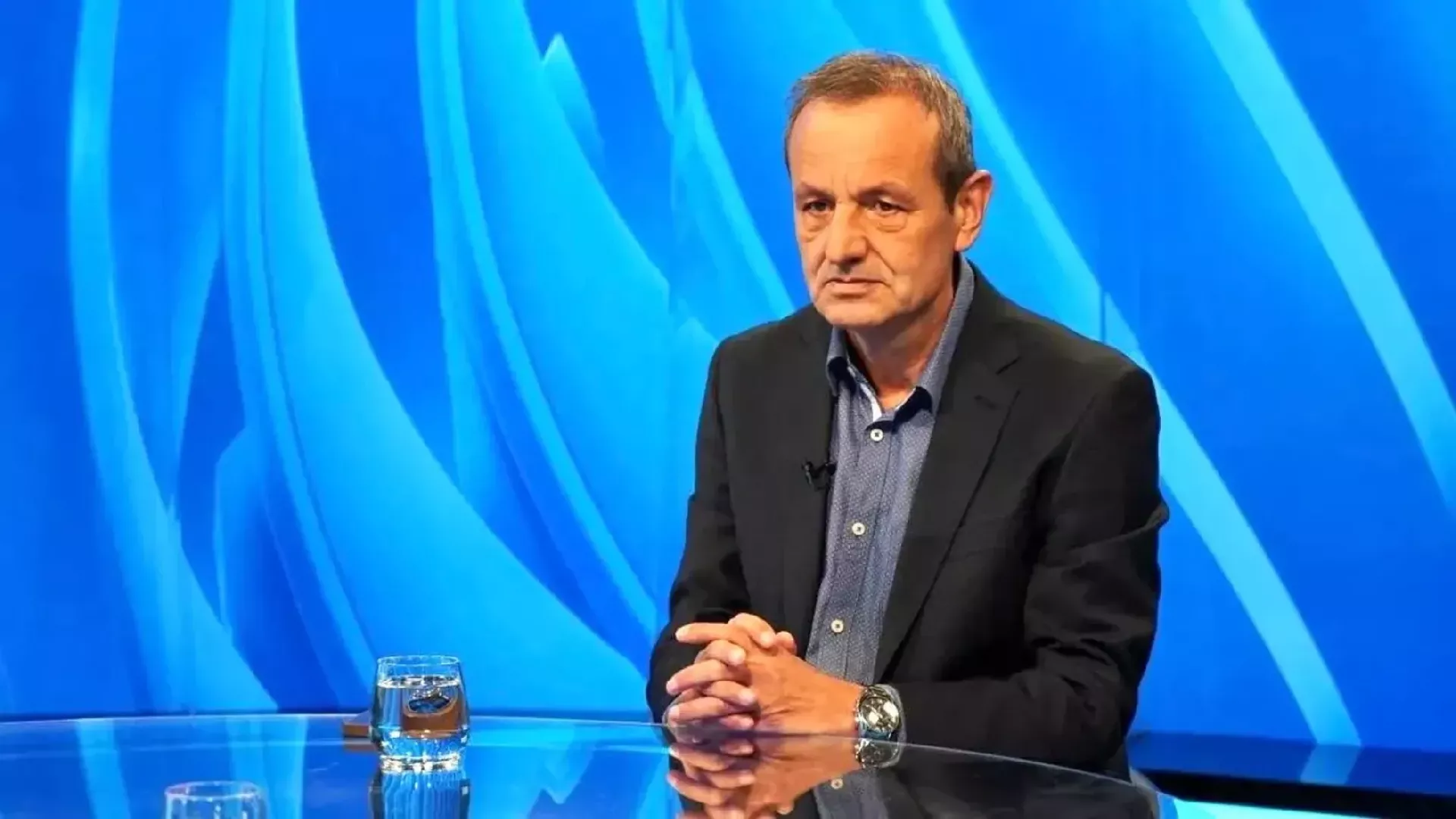
By: Prof. Dr. Hazim Bašić, member of the Presidency of Krug 99
The European Union demands that Bosnia and Herzegovina appoint a chief negotiator and a negotiation team, so that state bodies can "speak with one voice" in the accession process.
Without an appointed negotiator, BiH cannot formally begin negotiations with the EU, meaning a negotiation framework cannot be established. The success of a country's negotiation process largely depends on the competencies and credibility of the chief negotiator. And this is precisely where the question arises: Who has the right to speak "with one voice" on behalf of Bosnia and Herzegovina?
Croatia's negotiations were the longest and most detailed accession process to date, as the EU, after experiences with earlier enlargements (2004 and 2007), introduced stricter criteria, particularly in the areas of judiciary, fight against corruption, rule of law, and public administration reform. Bosnia and Herzegovina applied for EU membership in 2016, and only gained candidate status in 2022. Almost nine years have passed from the application to the present day - without the start of negotiations.
For comparison: North Macedonia waited 17 years for the start of negotiations (due to disputes with Greece, and then with Bulgaria), while Montenegro's negotiations have been ongoing for 13 years.
Key Competencies of the Chief Negotiator
The person who takes on this role must have a systemic understanding of European integration, knowledge of EU institutions, their competencies, and decision-making processes. They must understand how reforms in one sector affect others - e.g., how the rule of law impacts economic policies. Knowledge of the EU acquis communautaire, European law, public administration, and economic policies is essential.
In addition to expertise, a high level of diplomatic and negotiation skills is required, along with experience in international negotiations and the ability to communicate with various interest groups. Crucial is also the skill of balancing EU demands with domestic political realities - the ability to compromise without losing state sovereignty and credibility.
Ideally, the negotiator should be a politically neutral figure, with a reputation both domestically and internationally. They must be above party divisions, selected based on professional rather than political criteria, and enjoy the trust of the government, opposition, and civil society. As the negotiation process usually lasts for years, this person must also be a bearer of continuity, despite political changes. Since they coordinate the entire negotiation team (which usually includes several experts per chapter), they should possess strong leadership and organizational skills.
They are expected to have clear communication with the domestic public, the ability to explain the benefits, costs, and obligations of the process, and to build trust with EU institutions and the permanent representatives of member states. Integrity and resistance to political and lobbying influences are a given. The negotiator must defend the country's interests, but without populism - often by making unpopular but necessary decisions in the interest of reforms.
There are individuals in Bosnia and Herzegovina who can largely meet the set criteria; however, the decision-making mechanisms and the genuine commitment to EU integration do not inspire optimism that the choice will be adequate, if it happens at all.
Who Has the Authority to Appoint?
Negotiations about the negotiator are currently underway in BiH. Political elites are debating who will sit at the table on behalf of the country. European standards demand expertise, while domestic politics demand balance based on ethnic quotas.
One group of political actors believes the Council of Ministers of BiH should make the appointment, while others argue it is the competence of the Presidency of BiH, as the collective head of state is responsible for foreign affairs according to the BiH Constitution.
Finally, a group of parliamentarians advocates for the confirmation to pass through the House of Representatives of the Parliamentary Assembly of BiH. There are also arguments that a law on the chief negotiator is needed to establish a new legal basis for this appointment.
Ethnic and political balance is advocated by the entity of Republika Srpska, with the demand that the chief negotiator be someone from Republika Srpska, thus ensuring representation for each of the three constituent peoples. The former president of SNSD, the party currently in power, has repeatedly stated his opposition to EU integration.
On the other hand, the loyalty of HDZ BiH to European integration is questionable, as it calls for "federalism and equality of ethnic groups," which leads to the blockade of European integration and the prevention of civic equality. It is not difficult to imagine what kind of chief negotiator would suit parties with such political visions.
Party Control vs. Technical Function
Some political actors warn that the negotiator must not be exclusively politically appointed through party quotas, but must possess professional competencies and be acceptable to all parties – so that the EU has confidence in the person leading the process. There is a real fear that the appointment will be a "political deal" between parties, which would weaken the legitimacy of the negotiation framework.
The blockades surrounding the appointment further highlight the deep political divisions within BiH. The EU views such delays as a sign that BiH is not ready to act unitedly and with a consistent state policy, which is a fundamental condition for successful integration.
Bosnia and Herzegovina has gained candidate status, but not the will to decide who will turn that status into negotiations. The appointment of a chief negotiator is not a technical issue, but a political mirror of the actual attitude of BiH authorities towards the European Union. Those policies that fear a unified negotiator, in essence, fear a unified state.
Komentari (0)
Prijavite se za komentiranje
PrijavaJos nema komentara. Budite prvi!
Minuta
Sve →Iz drugih kategorija

High Representative Not Elected: Germans, French and British Against Americans, New Attempt at End of June

ČOVIĆ WITHOUT MERCY: How Those Who Brought Ademović to Office Created a Political Hell for Him



Sunny Saturday, quite warm



Tragedy in Albanian resort: Two minors drown












