
By: Armin Sijamić
United States President Donald Trump imposed tariffs on countries around the world on Wednesday. He described the move earlier as "Liberation Day," which will "restore the soul" to the United States, on the path to a "golden age."
Donald Trump has once again shaken the world. The long-announced tariffs have been revealed and apply to friends and foes of Washington alike. Imports into the market of the world's largest economy have become more expensive.
This was an expected decision by the Republican president, as he had announced it long ago. Moreover, in his first term, tariffs were an important tool in curbing China, which is essentially the "culprit" for why Trump embarked on this path. In fact, this is just an episode in a process that has been ongoing for decades – the United States has deindustrialized, shifting production to countries where labor is cheaper and profits are higher. The biggest beneficiary of this desire for profit has been China.
Curbing China - a message to (un)friends
The intention to stop China's strengthening in the United States can be traced back decades. Some texts from the beginning of this century raised the question of how Washington "lost China," or how Beijing, strengthened by American money and knowledge, became an American rival.
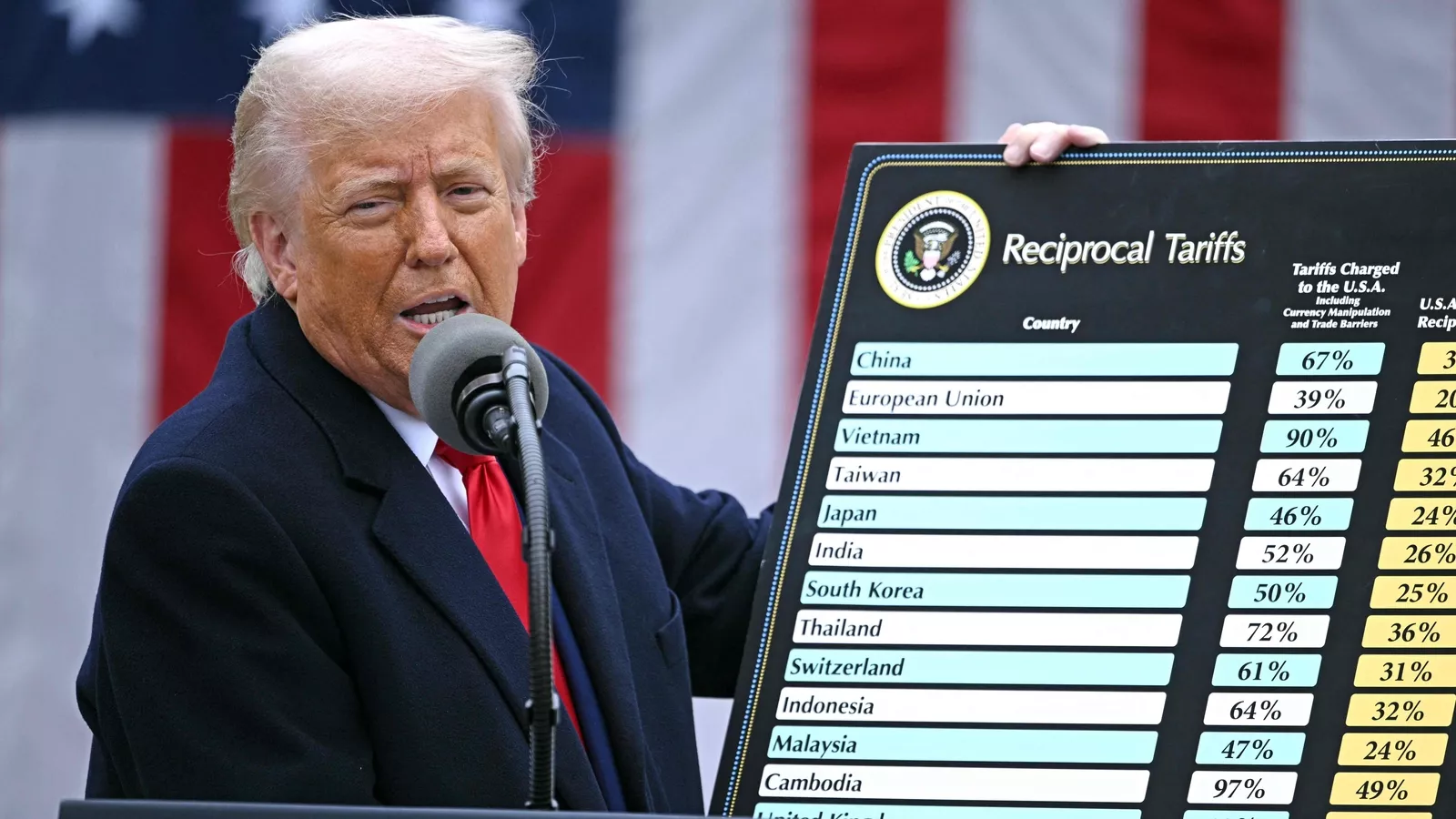
The long-announced curbing of China, announced to the public by former president Barack Obama, began in Trump's first term and continued with the administration of Joseph Biden. Trump is now going a step further and introducing almost all countries in the world into the equation, imposing different tariff rates. China has been imposed tariffs of 34 percent, Taiwan 32, South Korea 25, Japan 24, the European Union 20, and the United Kingdom 10. Cambodia and Vietnam have received the highest tariffs, 49 and 46 percent.
Leaders around the world are announcing that they will retaliate with tariffs on imports from the United States, which could cause an economic crisis. This particularly applies to European Union countries, which are among the closest American allies. The responses of European countries could lead to new Trump measures, which would ultimately harm economic and political relations in the West.
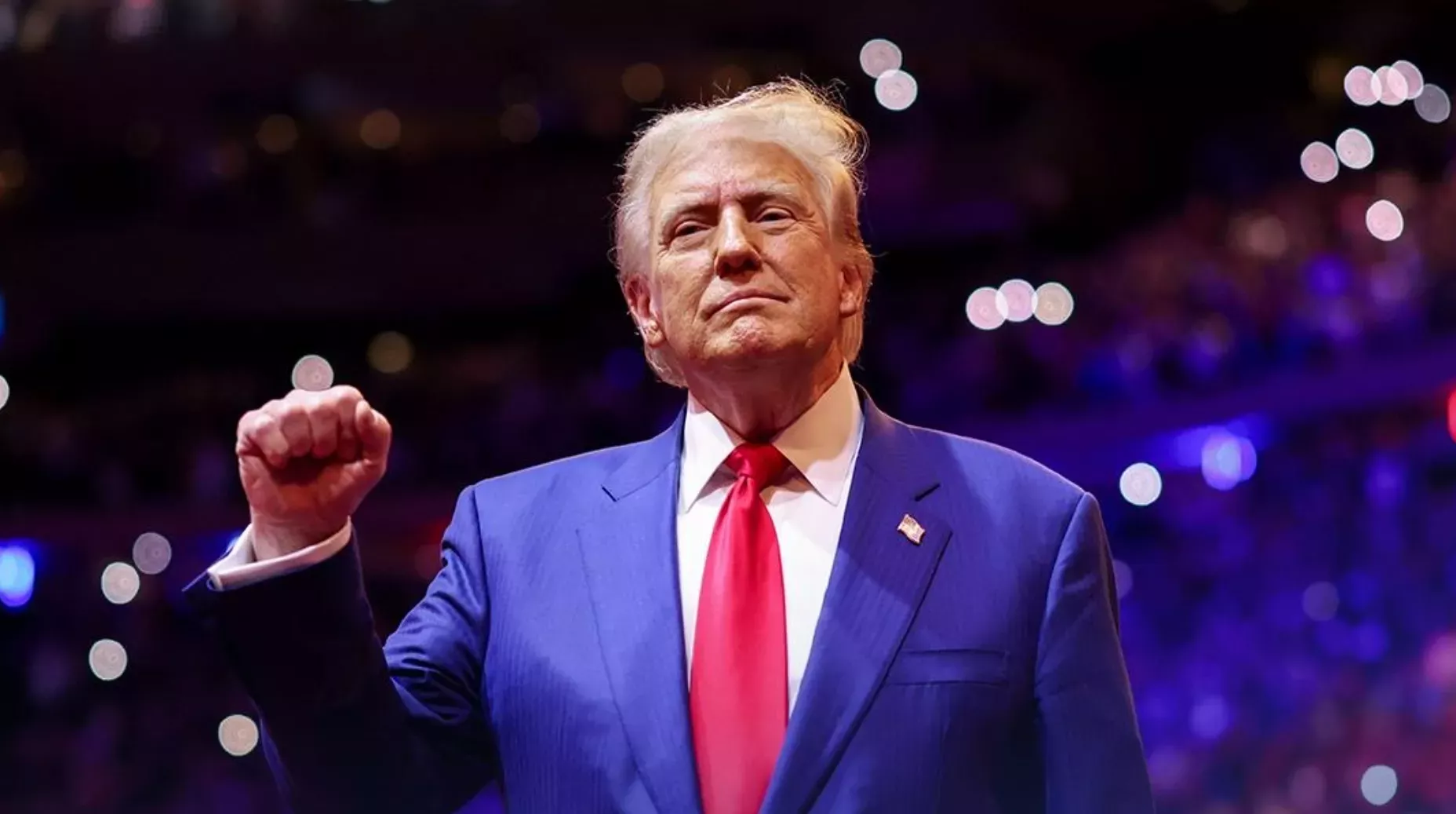
Trump's move surprised some, as it was believed he would only impose tariffs on the largest trading partners. However, Trump has also imposed tariffs on countries that export very little to the United States, which could be a preventive measure to stop some countries from exporting their goods through third countries.
American economic experts have warned that this will lead to economic problems in the United States, particularly to an increase in the prices of goods that are not produced there. In the presidential race, a group of economists, some of whom received Nobel Prizes, supported Biden and welcomed his economic program. In a letter, they stated that tariffs on Chinese consumer goods would lead to inflation in the United States and praised Biden for not advocating this in his economic program, unlike Trump.
Now Trump has gone a step further, imposing tariffs on a much larger scale than anticipated. If the aforementioned economic experts are correct, and they were speaking in the case of imposing tariffs on China, then it is not difficult to predict the consequences after tariffs have been imposed on almost all countries in the world.
Trump's Calculation
People around Trump have no doubt that there will be problems at first after the introduction of tariffs, but they believe it will pass quickly. They believe that the increased cost of imported goods and services will lead to the revival of American companies. One of the biggest proponents of this policy is US Secretary of Commerce Howard Lutnick, a billionaire who advocates for distancing from the Chinese economy.
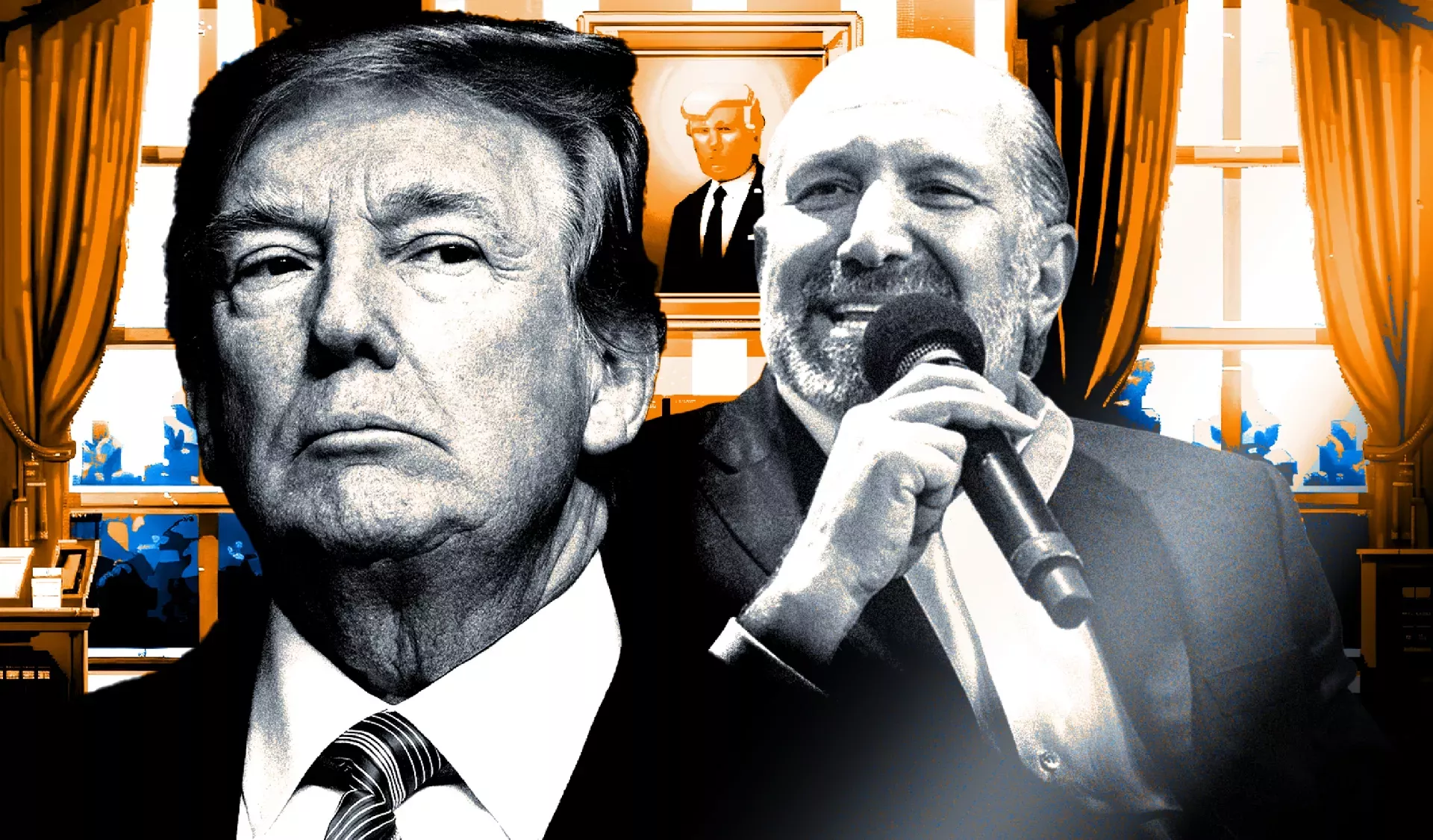
Trump's team believes it is possible to "bring back jobs" to the US, even those that are least paid. Some economists warn that this is not possible even in the long run unless there is an enormous increase in the prices of such products. They cite the example of the textile and related industries, clothing, footwear, food, and consumer goods. This will be particularly difficult to achieve, experts believe, if Trump fulfills another promise – deporting migrants who work in jobs that Americans do not want.
Some have tried to explain how Trump's team determined what they called "reciprocal tariffs" and have concluded that they are often arbitrary calculations. Some will pay ten percent, and some fifty percent. On average, it is 29 percent for all countries. Trump has threatened new tariffs on anyone who retaliates against those he has already imposed. The United States last significantly raised tariffs during the 1930s, which, according to experts, worsened the Great Depression.
However, even this arbitrary calculation sounds great to Trump. The value of imported goods into the United States last year was $3.3 trillion. Given that the average tariff rate is the aforementioned 29 percent, a rough calculation leads to a figure of about one trillion dollars that the US budget will receive if the same level of imports is maintained next year.
With this money, Trump will launch programs that will not conflict with international agreements, as Washington is withdrawing from them. Washington is thus moving towards economic protectionism.
Trump's Political and Economic Model
Although many say Trump made the decision on tariffs hastily, that is not true. Perhaps the only surprise is the scope of these decisions. People from the business world, who stand behind Trump, certainly know what they want to achieve, and have periodically announced it to the public. Whether these decisions will be successful and what problems they will bring to the United States and its partners is another question.
Immediately after the tariffs were announced, stock markets fell, and some companies lost hundreds of billions of dollars in value. The storm was halted because mostly affected countries took time to respond to the imposed tariffs, while some experts argue that there should be no retaliation, meaning only some sectors of American industry should be targeted, or no response at all.
The response of other countries could trigger a spiral of tariffs and restrictions, which would shake the global economy. Some in the United States warn that Trump's tariffs have already made their production more difficult, as imported materials and raw materials become more expensive, leading to higher prices for products on domestic and international markets. They claim that retaliatory measures by other countries could further increase the cost of American exports, thus reducing them, which could ultimately affect the US dollar as the most important world currency.
Trump's tariffs could particularly hit China and Germany, as their economies are export-oriented. As these are the second and third largest economies in the world, and they are linked to other economies, this could be a path to recession.
Washington now wants political and economic agreements. Trump said on Thursday that he is ready to negotiate with anyone if they "offer something fantastic." Fantastic in the case of China at the moment is the Chinese company ByteDance, which owns TikTok – the most popular app among young Americans. ByteDance has been given a deadline by the Biden administration to sell TikTok or it will be banned in the United States. Trump has moved the deadline from January 19 to April 5 of this year. Trump said he is willing to consider tariffs on China if they sell TikTok.

The approach to China reveals Trump's intentions. The treatment that the world's second-largest economy receives could be given to any country. If Trump treats an economy that experts say is permanently linked to the American one and that this link is difficult to break in this way, then countries with smaller economies that export to the US have a clear picture of what could happen to them.
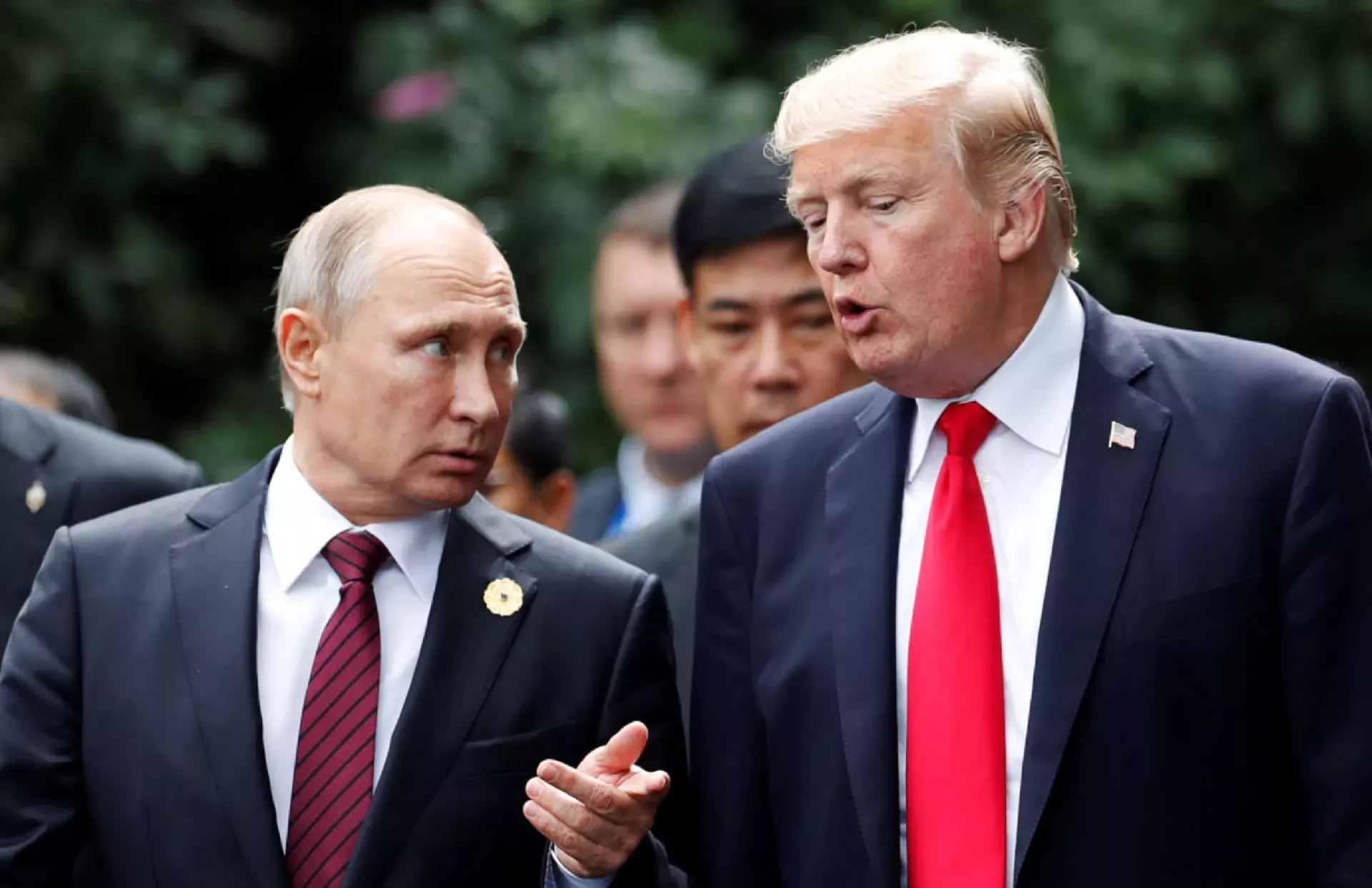
The entire operation has moved beyond economic frameworks and is taking on global dimensions. This is also shown by the case of Russia. Namely, Trump did not impose tariffs on Russia. His team said that Russia is under US sanctions and that this trade should not be further burdened. However, Trump has imposed tariffs on Iran and Cuba, which are under US sanctions. There is no doubt that excluding Russia from the list of countries subjected to tariffs is, in fact, an outstretched hand to the Kremlin, which expects the lifting of sanctions and offers the United States rare minerals that Trump is negotiating with Kyiv.
No one knows for sure how things will unfold and what the global economy will look like in the coming period, especially since the measures that countries affected by Trump's tariffs will take are still unknown. What many experts agree on is that the world economy is entering a new era and that major changes await us. This can practically establish new rules in the way countries treat their (un)friends. It seems that Trump is ending the "free lunch" for everyone.
Trump has no doubt that Washington is on the right path. "The markets will bloom, the stock market will bloom, the country will bloom, and the rest of the world now wants to see if any kind of deal can be made," he said. "We have been taken advantage of for many years. We have been on the wrong side for a long time. And you know what? I think this is going to be incredible. You'll see how it all unfolds – our country will bloom," the US president stated the day after "Liberation Day."
Komentari (0)
Prijavite se za komentiranje
PrijavaJos nema komentara. Budite prvi!
Minuta
Sve →Iz drugih kategorija

High Representative Not Elected: Germans, French and British Against Americans, New Attempt at End of June

ČOVIĆ WITHOUT MERCY: How Those Who Brought Ademović to Office Created a Political Hell for Him



Sunny Saturday, quite warm



Tragedy in Albanian resort: Two minors drown












