
By: Amina Čorbo-Zećo
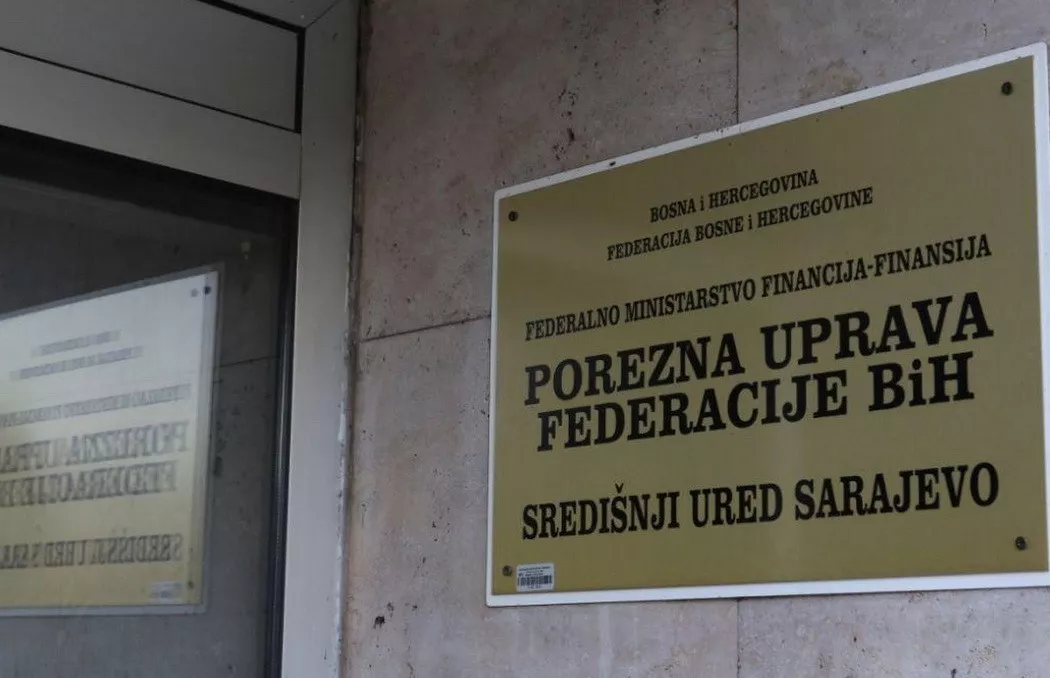
The letter from the Assistant Director and heads of organizational units of the Tax Administration of FBiH, sent to the Prime Minister of FBiH and the Minister of Finance, at first glance appears to be an internal act of unity and institutional stability. In that document, managers unconditionally stand by the management, defending its actions, decisions, and "consistent application of regulations" from what they call "unfounded attacks".
However, what is not being told to the public, and which Patria has discovered through research, is that the heads of branches previously received an email explicitly asking them to state whether they support the management. Only after this request was the letter of support created, signed on behalf of the entire structure of managers.
Such a fact seriously changes the context. If managers of a public institution are asked to "state" their support for superiors, the question of the freedom of that statement arises. In an institution where some employees are already complaining about transfers, pressure, and discipline as a control mechanism, every request for subordinates to publicly align with management takes on a completely different character.
It ceases to be politically neutral institutional communication and becomes a test of loyalty.
The letter arrives at a time when dissatisfaction is brewing within the Tax Administration, the Union is announcing a warning strike, employees are pointing to mass transfers without consent, a shortage of 500 employees, pressures and discipline that exceed normal limits, and non-compliance with salary agreements.
In such an environment, the letter from the managers, especially one that was previously "prepared" by a request for signatories to state their position, can be seen as an attempt by management to create an illusion of stability and legitimacy, rather than addressing the core of the problems.
When a letter in which managers praise the management is presented to the public, while at the same time the union is fighting for basic workers' rights and systemic failures, it creates an image of two Tax Administrations: one led by "loyal" managers, and one in which employees suffer the consequences of years of neglect, staff shortages, and poor organization.
In such an environment, the key message from the managers, "we encourage the management to continue despite the attacks," no longer sounds like institutional support, but rather like part of an atmosphere where loyalty is valued more than expertise, and obedience more than responsibility.
In an institution where employees are on the verge of striking, where controversial transfers are being withdrawn, and a fight for basic working conditions is underway, one would expect the management itself to state how it will improve the situation. Not to ask subordinates to praise it.
At a time when the institution is heading towards a strike, seeking formal support from subordinates does not give the impression of management's strength, but rather an impression of insecurity.
Komentari (0)
Prijavite se za komentiranje
PrijavaJos nema komentara. Budite prvi!
Minuta
Sve →Iz drugih kategorija

High Representative Not Elected: Germans, French and British Against Americans, New Attempt at End of June

ČOVIĆ WITHOUT MERCY: How Those Who Brought Ademović to Office Created a Political Hell for Him



Sunny Saturday, quite warm



Tragedy in Albanian resort: Two minors drown












