
(Patria) - The Una-Sana Canton (USK) has finally received its long-awaited and much-needed new Law on Secondary Education. It is the most significant education reform in the last several years.
During the debate at the session of the USK Assembly in Bihać last Friday, this law was characterized as modern and well-conceived, and it was supported almost unanimously. The opposition particularly emphasized the challenges that will follow in its implementation.
In the explanation of the new legal solution, it is stated that the existing one was adopted more than ten years ago and does not meet contemporary educational challenges, the development of inclusive education, digitalization, market demands, and European Union (EU) standards.
The new Law, among other things, aligns secondary education with labor market developments and European educational policies, specifies the status issues of students, teachers, and schools, ensures inclusiveness, equality, and prohibition of discrimination, introduces digital tools, career counseling, and protection measures in schools, systematizes types of schools, the role of school communities, and criteria for establishing, operating, and closing schools, teacher licensing, and external and internal evaluation.
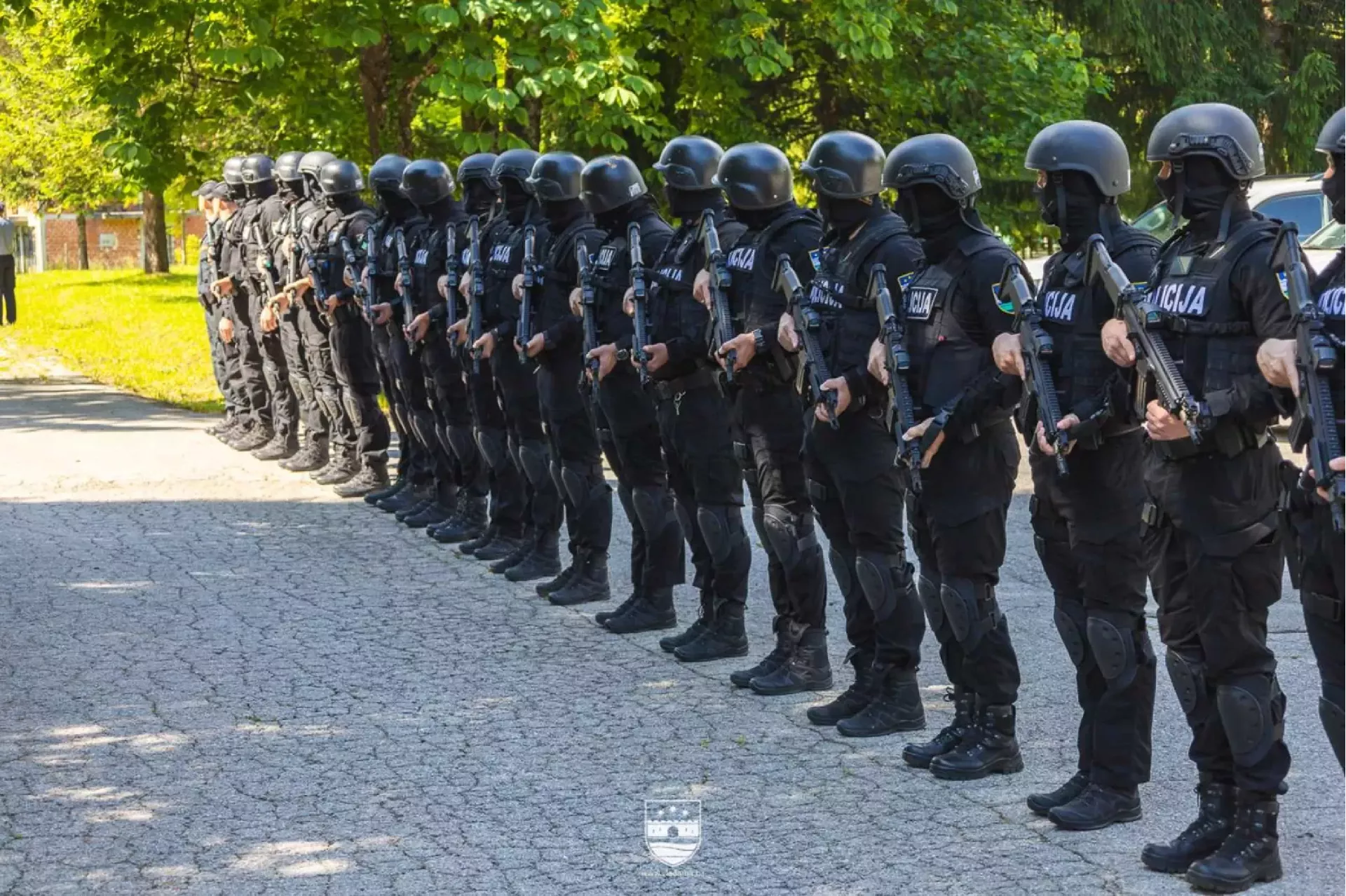
It is particularly important to note that the new Law on Secondary Education of USK leaves open the possibility of establishing a secondary police school, which is of great importance given the security situation in our country, but also the need for educated police personnel who will one day be part of European forces, such as FRONTEX.
About the reasons for adopting the new Law and the key novelties it brings, the leading figures of education and legislative authority of USK spoke for the Patria News Agency (NAP).
The Minister of Education, Science, Culture and Sports of USK Denis Osmankić says that the new Law on Secondary Education is the result of a multi-year reform of the educational system in USK and that it is aligned with European standards and the framework law of Bosnia and Herzegovina.
The previous law, Osmankić points out, no longer met contemporary challenges, especially in the areas of digitalization, vocational education, safety in schools, and connecting education with the labor market.
- The key novelties relate to the introduction of the "e-school" system, strengthening inclusive education, mandatory external matura, improving the quality of teaching, security policies in schools, and a more clearly defined role of teachers, parents, and students in the educational process - explains Osmankić.
The Law, among other things, provides for the possibility of establishing new secondary schools that currently do not exist in the USK area. We asked the Minister whether this could help solve the problem of staff shortages?
- By enabling the establishment of new schools and new educational profiles, conditions are created for the educational system to respond to the real needs of the labor market. In this way, we can systematically educate personnel that are currently lacking - both in the economy and in the public sector. This is a long-term measure for retaining young people in USK and strengthening overall economic and social development - emphasizes Osmankić.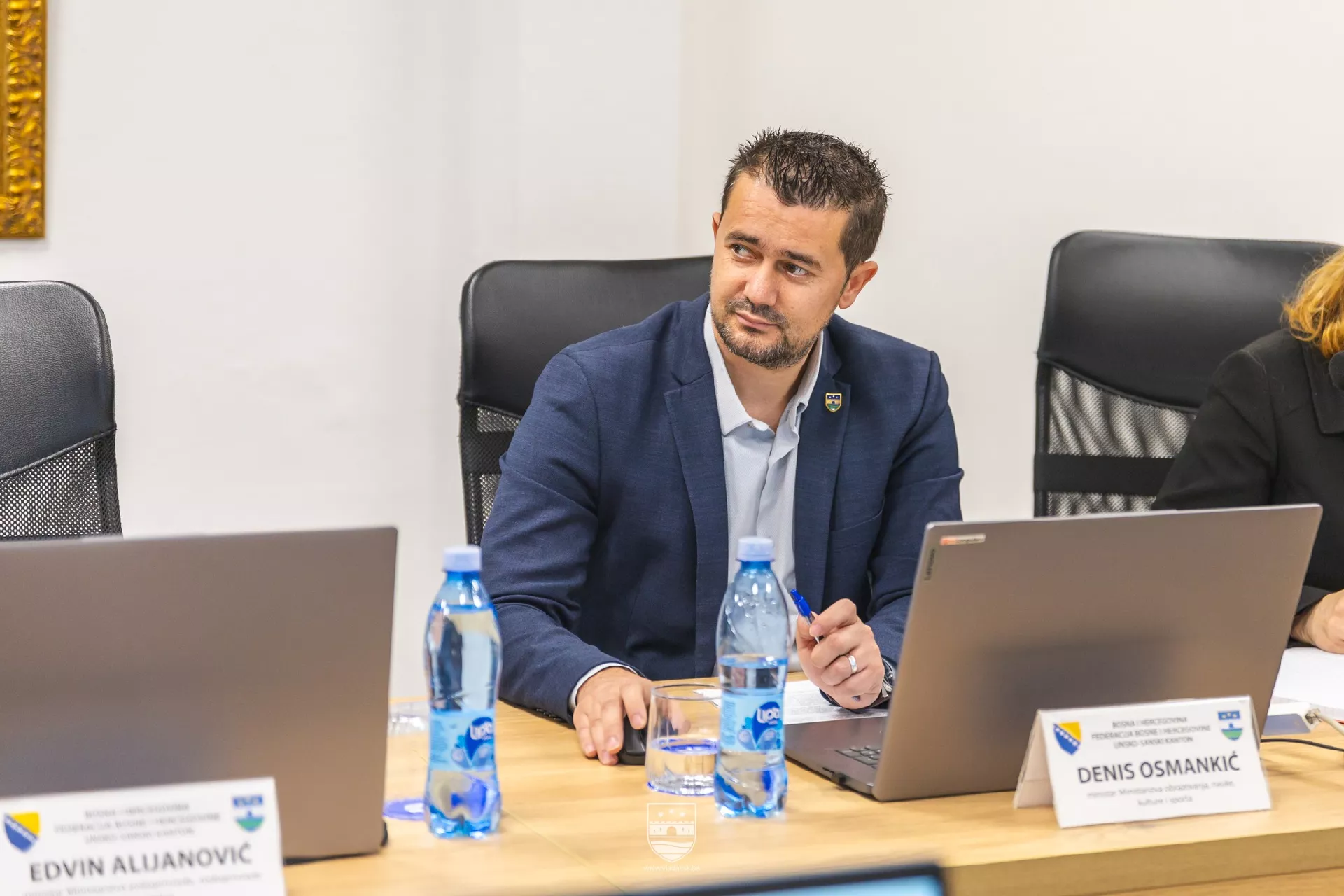
Denis Osmankić
Among the possibilities offered by the new Law is the establishment of a secondary police school, and the minister assesses that this would be an extremely important step forward for the entire security system.
- Such a school would enable early selection and professional guidance of young people towards the police profession, with systematic physical, professional, and ethical preparation. This creates a stable, educated, and professional police force in the long term, which is of utmost importance for the safety of USK citizens, and beyond - notes Osmankić.
He emphasizes that the Law provided a clear legal framework for establishing such a school, but that the implementation itself implies fulfilling several precisely defined conditions. This includes preparing a feasibility study, analyzing the needs of the security sector, ensuring personnel, spatial, and technical capacities, as well as obtaining consent from competent institutions.
Only after that, adds Minister Osmankić, can the Government and the Assembly of USK make the final decision on establishing this school.
- After the Law enters into force, our relevant Ministry, together with the Ministry of Internal Affairs (MUP), will begin activities on preparing the study and establishing the police school, which is in the public interest.
We believe it is very important that police officers are educated through regular formal education, so that they can perform their profession as professionally and expertly as possible - concludes Minister Osmankić in an interview for NAP.
The Chairman of the USK Assembly Nisvet Jusić emphasizes that the main reason for adopting the new Law on Secondary Education is the need to follow contemporary trends in education through aligning educational policy with the labor market, determining rights and procedures for protecting children's rights and safety, as well as defining the need for professional development of teachers.
Bearing in mind that this law was proposed by the previous government and adopted by the current one, we asked Jusić whether this is proof that the authorities in Krajina, regardless of party diversity and combinations, can work in the interest of citizens when there is a minimum of political will?
- Of course, the USK Assembly has in many cases adopted regulations and made decisions that are of broader interest to USK citizens. Political differences and pluralism are good because they best demonstrate the democratic capacity of a community. When party political interest is not put in the foreground, the result is understanding on key issues - Jusić is clear.
He pointed out that existing secondary schools, in their capacities, mostly meet the needs of USK. However, he adds, it is necessary to redefine enrollment policies through alignment with labor market needs and student wishes.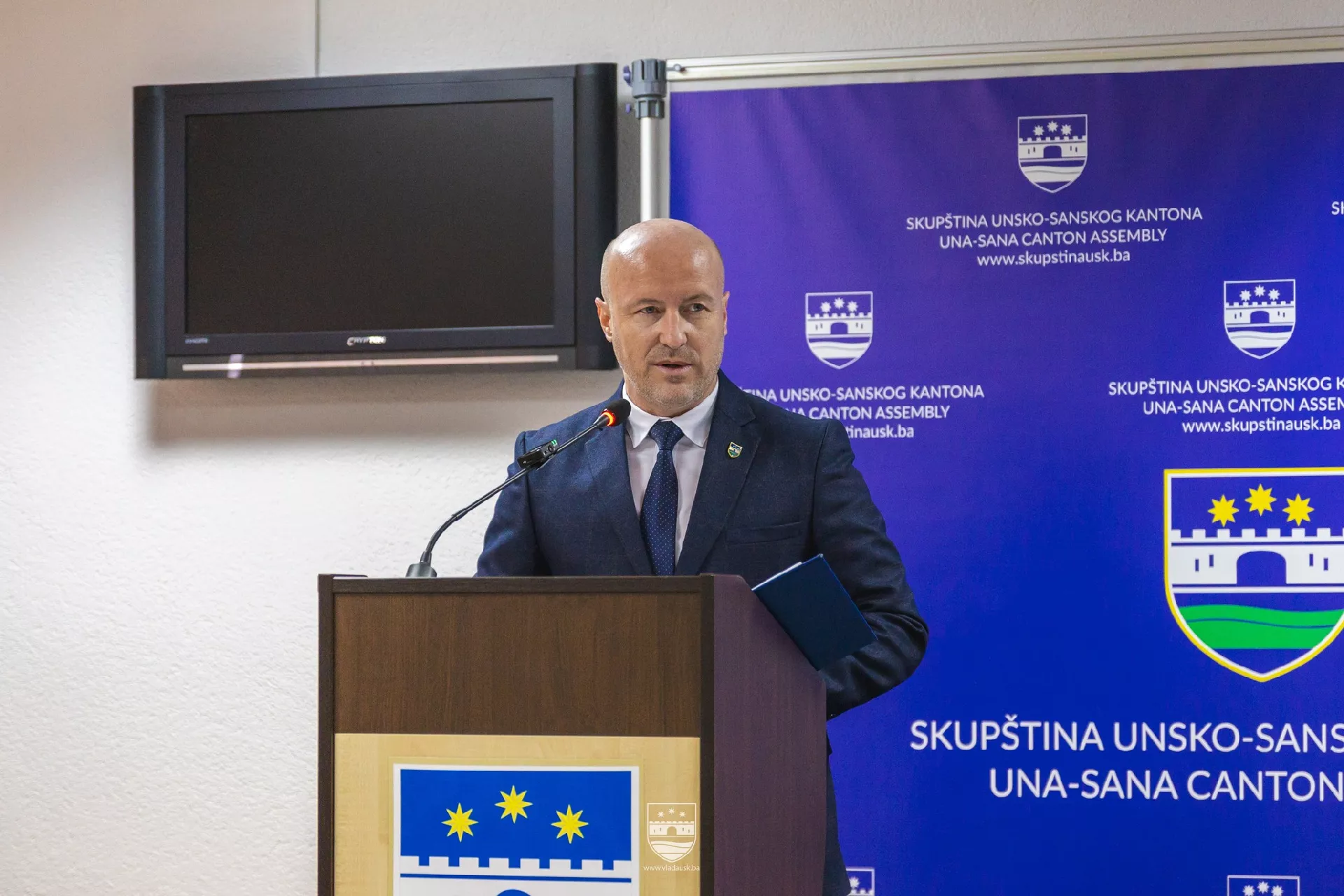
Nisvet Jusić
- The school we lack is a secondary police school. We think long-term and strategically, accordingly we believe that establishing a secondary police school is a need for both USK and Bosnia and Herzegovina.
The four-year education system, quality teaching staff, and our commitment to making a breakthrough in this area are a good basis for believing that establishing such a school would be of broader social interest - Jusić told us, adding that USK is facing a generational shift in the Police Administration, and that USK lacks police officers.
According to the provisions of the Law, adds our interlocutor, the next step is the preparation of a feasibility study for establishing a secondary police school, and this is the task of the Ministry of Education, Science, Culture and Sports of USK.
- We expect the Ministry to work intensively on preparing the study and other acts that will be adopted by the USK Assembly - added Jusić in an interview for NAP.
(D.K.)
Komentari (0)
Prijavite se za komentiranje
PrijavaJos nema komentara. Budite prvi!
Minuta
Sve →Iz drugih kategorija

High Representative Not Elected: Germans, French and British Against Americans, New Attempt at End of June

ČOVIĆ WITHOUT MERCY: How Those Who Brought Ademović to Office Created a Political Hell for Him



Sunny Saturday, quite warm



Tragedy in Albanian resort: Two minors drown












