
By Armin Sijamić
Germany goes to the polls on Sunday for arguably the most important and uncertain elections of this century, as it has never happened before that one party has a good chance of changing the existing system and receiving the support of the world's greatest power.
The United States of America has had a huge influence on German policy since the end of World War II, partly due to the numerous American military bases located there. In addition, what is called American "soft power" has not been questioned for over seventy years in a country with a long and rich history of its own political and social thought.
Germany is strongly looking towards Washington, especially the current government towards the administration of Joseph Biden. Since the return of Donald Trump to the White House, it has been in shock. The current administration believes that Berlin is pursuing the wrong policy. US Vice President JD Vance says that Germany is being destroyed by illegal migration and deindustrialization, and the richest man in the world, Elon Musk, says that its bureaucracy is terrible and that he saw this while running a company there. Musk says that the "only hope" for the country is the right-wing Alternative for Germany (AfD), which the government sees as the radical right.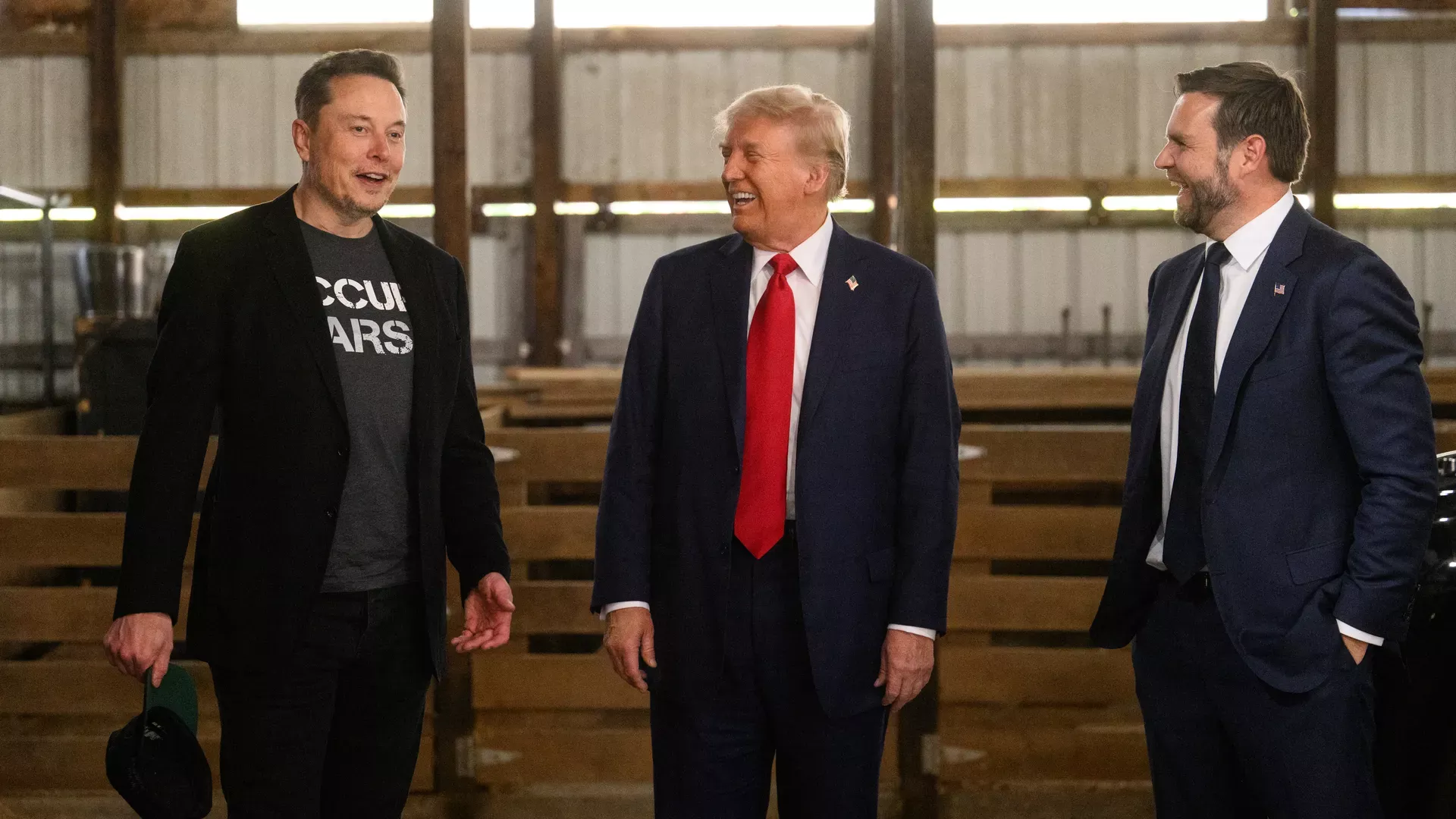
Musk, Trump, and Vance
So Much for the Polls
Since the outbreak of the coronavirus, economic problems have become increasingly apparent. With the end of the epidemic, the war in Ukraine began, which brought a great shock to German companies. The largest European economy, due to sanctions against Moscow for aggression in Ukraine, lost cheap Russian energy and access to the huge Russian market where German companies were highly rated.
Behind the scenes, another problem was brewing – (il)legal migration to Germany, especially since 2016. Although the government in Berlin, like many German media outlets, often dismissed any criticism and responded with accusations against those who saw it as a problem, migration has become an important issue. Some spoke about it in terms of security, due to frequent attacks on citizens, and a few from an economic perspective – many immigrants mean the possibility of getting cheaper labor.
The biggest critic of migration in Germany is the AfD, adding ideological and demographic aspects to security and economic issues, awakening fears among millions of Germans that the country is ceasing to be what it was. Due to the accumulated problems, it is not surprising that the opposition AfD is gaining strength, especially since other parties are approaching some problems with "kid gloves".
To improve their positions and image, since they are widely seen in Germany as far-right extremists who have not sufficiently distanced themselves from the Nazi legacy, the AfD has embarked on rebranding, which has already been undergone, for example, by Marine Le Pen in France.
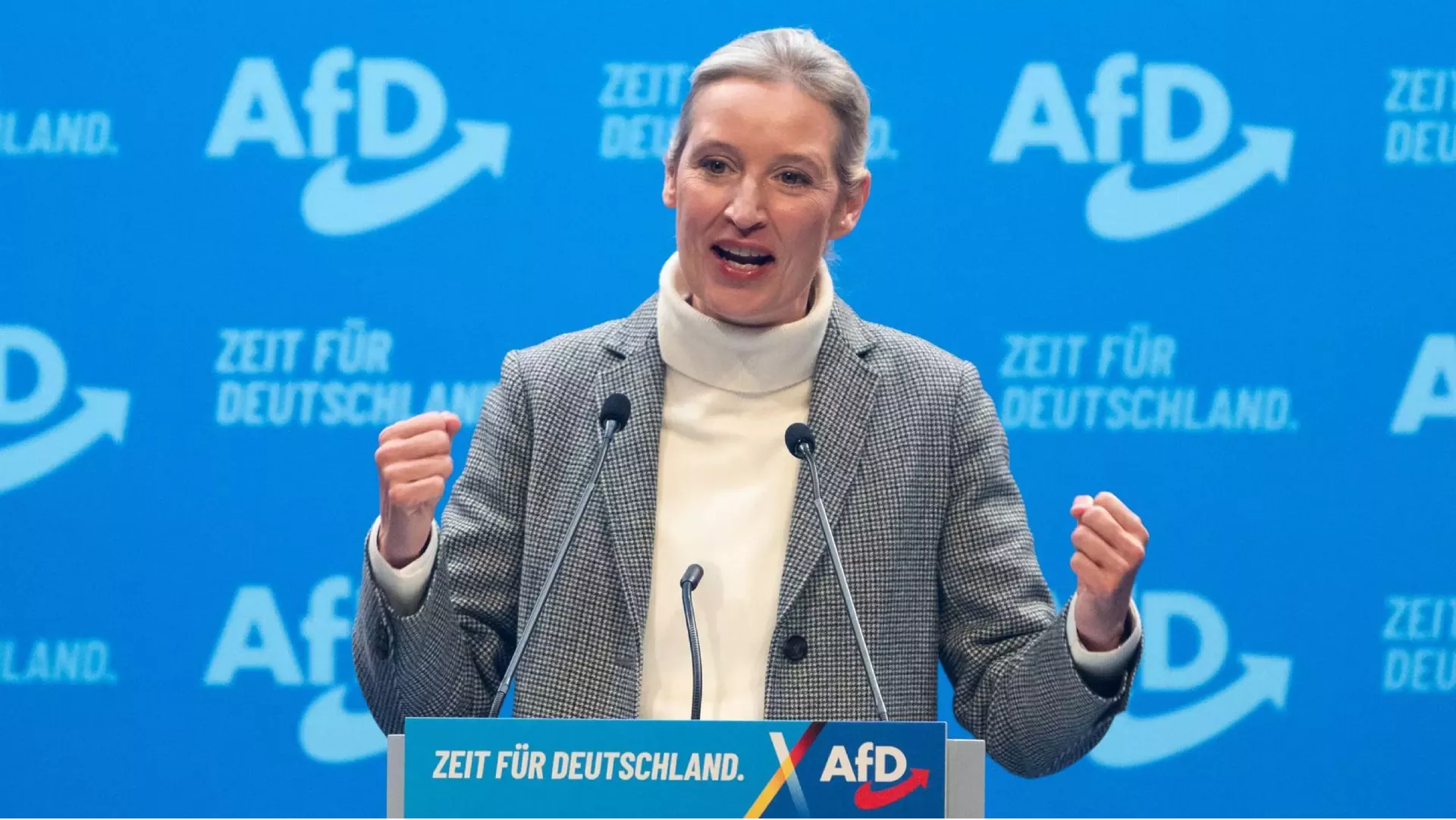
Radical confrontation with migrants, the European Union, NATO, the Euro... party co-leader Alice Weidel is trying to translate this into acceptable policies, claiming to be a liberal and that her role model is former British Prime Minister Margaret Thatcher. The leader of the German right is in a same-sex relationship with a migrant from Sri Lanka, supports Israel, opposes the minimum wage in Germany, supports Trump, and calls for the deportation of some migrants, especially Muslims. Speaking about the situation in Germany and the fact that she is in a same-sex relationship, she said: "I don't want a majority-Muslim society governed by Sharia law to push me off a roof with a bag over my head later."
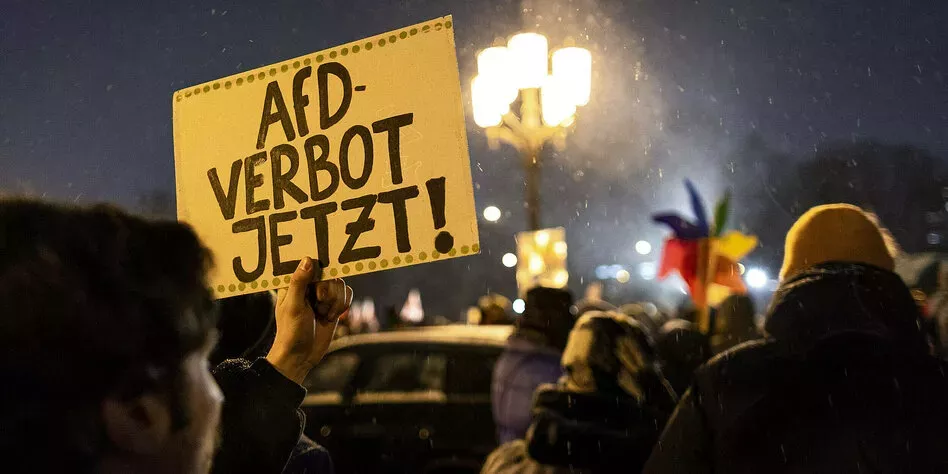
The main parties generally have no answer to the AfD's popularity. About fifteen months ago, there was talk of banning the party, at the suggestion of their political rivals.
The latest polls show the AfD has about twenty percent support, just behind the Christian Democratic Union (CDU/CSU) which has about thirty percent. Chancellor Olaf Scholz's Social Democrats (SPD) and the also ruling Greens are at around fifteen percent. Besides them, no other party is sure to cross the five percent threshold.
A particularly difficult circumstance for the AfD is that all leading German parties have vowed not to form a coalition with them, meaning that all the popularity they enjoy may not be enough for them to come to power. Weidel has received support from Musk, who has even spoken at their rallies via video link. This week, Musk shared on his social network X a user's post asking "is it time for Germany to free itself again", and then replied with "Yes, seriously".
Last Friday, American support for the AfD grew to unprecedented levels. Vice President JD Vance held a meeting with Weidel, after causing anger, and a few tears, among the hosts at the Munich Security Conference, who condemned the guest for interfering in German elections. In his aforementioned speech, Vance seemed to voice part of the AfD's platform, targeting migration in particular.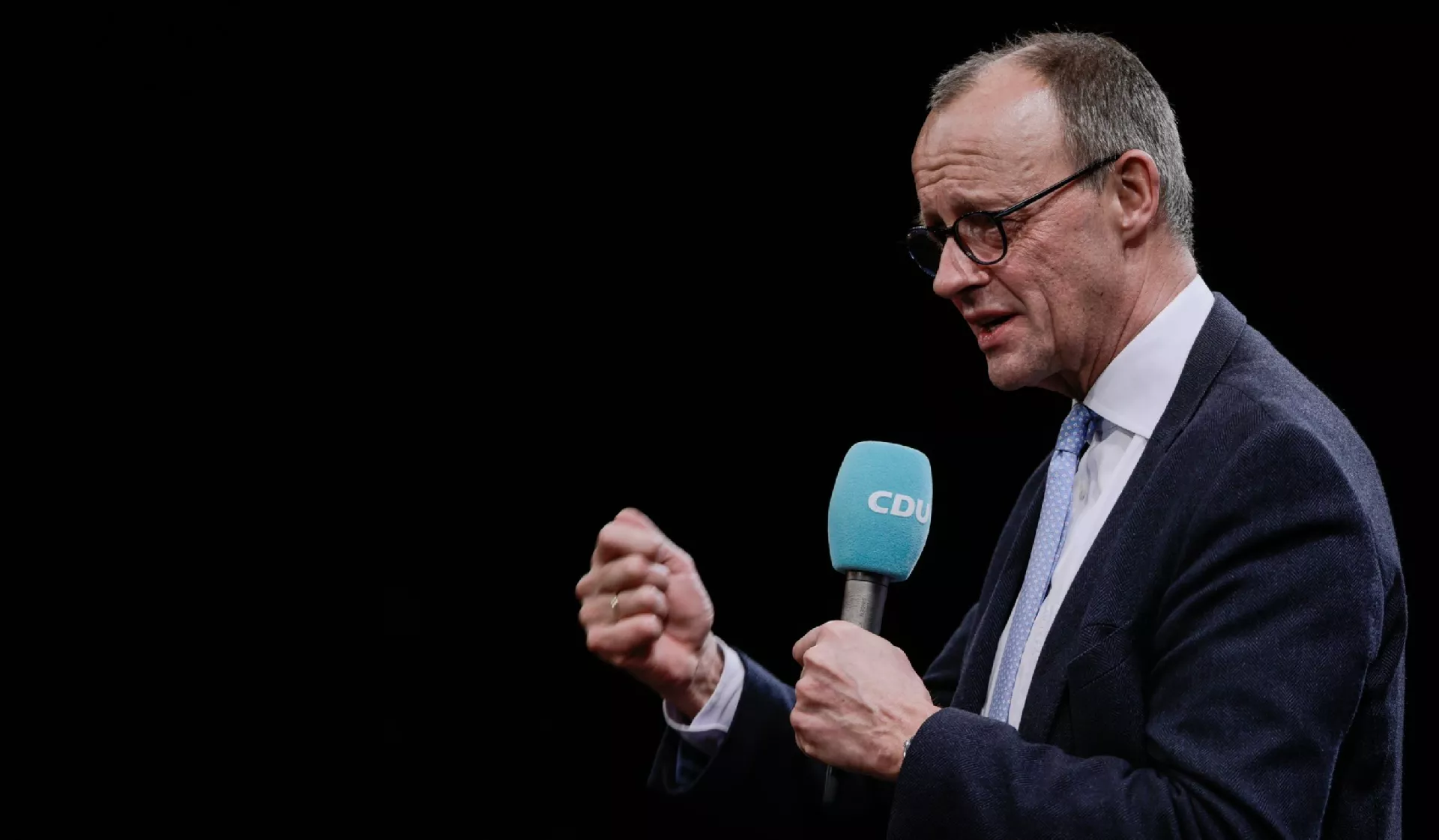
Friedrich Merz
After the Elections
As things stand, neither the AfD nor any other party will have enough votes to form a government independently after Sunday's elections. Therefore, the most likely option is that Germany will again have a "grand coalition" consisting of the CDU/CSU and SPD, as was the case in Angela Merkel's government. In that case, the chancellor would most likely be from the ranks of the Christian Democrats, their leader Friedrich Merz.
However, the German political elite would face the wrath of the White House if they left the AfD out of power. This would be particularly dangerous for the German economy while Trump threatens tariffs and has the ability to manipulate energy prices.
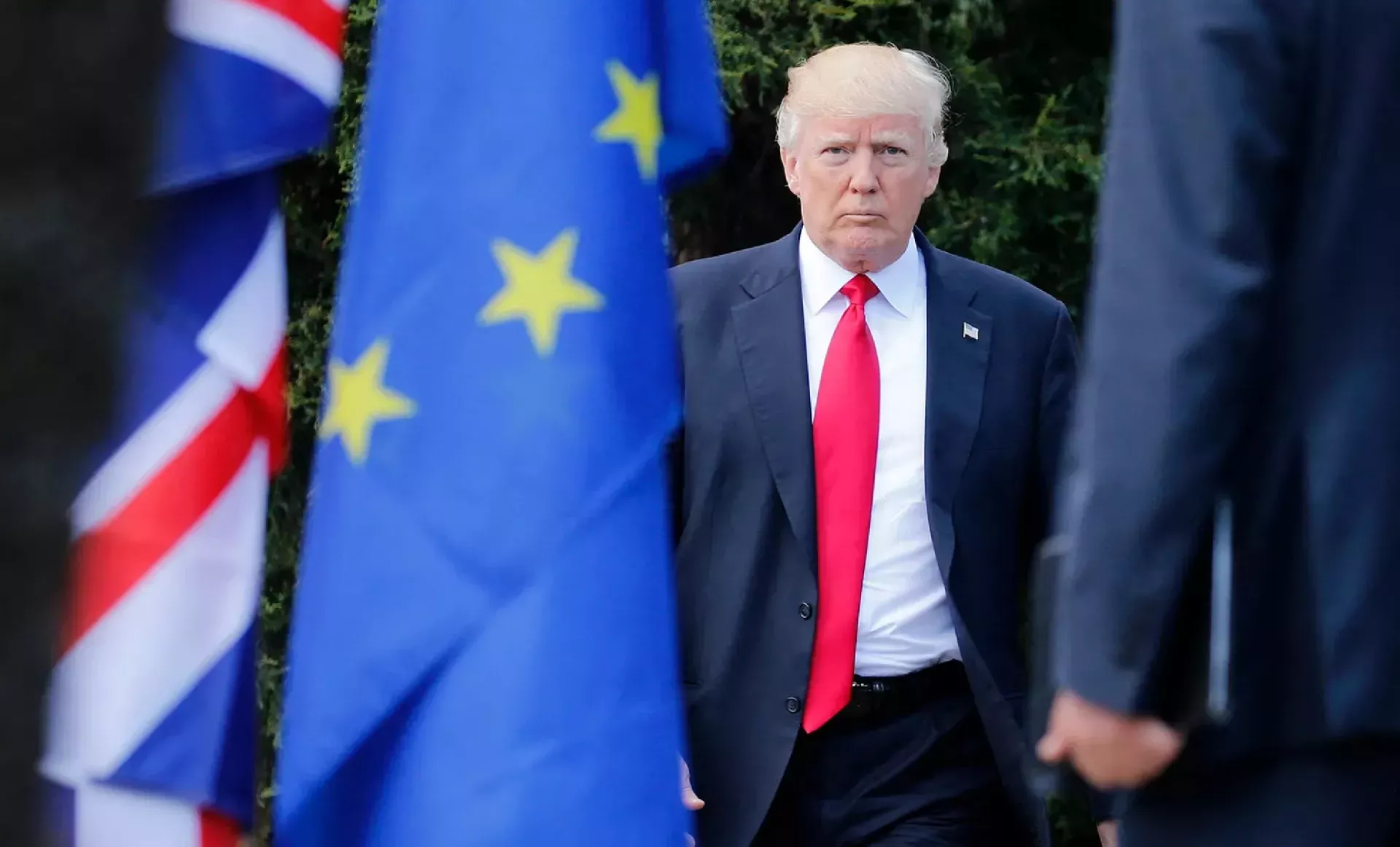
If German parties leave the AfD in opposition, it would be Trump's first major foreign policy defeat. Therefore, these elections are even more important, as the new government in Berlin will have to respond to Trump's policy towards Russia and Ukraine. In other words, the formation of the German government will also be a test of whether Europeans have the strength and will to confront Trump.
But regardless of the outcome of the German elections, some things will change. Migration is high on the list of priorities. It is clear that many in Europe and across the West have realized that it is not possible to open the doors wide for immigrants and that they have been preparing for a change in this policy for a long time.

Whether Germany will treat the cause or the consequences remains to be seen. It would be absurd to expect the destruction of the Middle East and Africa to continue while closing all doors to people who have lost everything there.
These days, while discussing the displacement of people from the Gaza Strip, a story about censorship is unfolding on the margins of German political developments. Former Greek Finance Minister Yanis Varoufakis, as part of the political project he leads, reports via social media that while the media remains silent, police are disrupting meetings in Germany of the UN Special Rapporteur on the situation of human rights in the Palestinian territories occupied by Israel since 1967, Francesca Albanese, where she speaks about the suffering of Palestinians. "Totalitarianism has returned to Germany even before the AfD won," Varoufakis wrote on social network X.
Germany's attitude towards Palestine and Israel draws parallels with the stance of Joseph Biden and Kamala Harris towards that conflict and with the response of Muslim voters and liberals previously loyal to the Democrats. Many of them supported Trump or simply refused to vote for Harris. One of the issues in these elections in Germany is the turnout of immigrants with the right to vote.
It has long been clear that managing German political processes is becoming increasingly difficult. Problems are increasing, and external influence is growing, both direct and vocal, as in the case of Vance and Musk, or indirect and quiet through those who have come to Germany to live and work. Therefore, any development of the situation would not be surprising, not even the annulment of the German elections as in Romania a few months ago.

Everything indicates that numerous reforms await the new German government, regardless of who forms it. Some of these steps may not be mentioned by anyone in the election campaign, but they will still be taken. And the course taken by the new German government will largely determine the course taken by the rest of Europe.
Komentari (0)
Prijavite se za komentiranje
PrijavaJos nema komentara. Budite prvi!
Minuta
Sve →Iz drugih kategorija

High Representative Not Elected: Germans, French and British Sabotaged Americans, New Attempt at End of June

ČOVIĆ WITHOUT MERCY: How Those Who Brought Ademović to Office Created a Political Hell for Him



Sunny Saturday, quite warm



Tragedy in Albanian resort: Two minors drown












