
Written by: Armin Sijamić
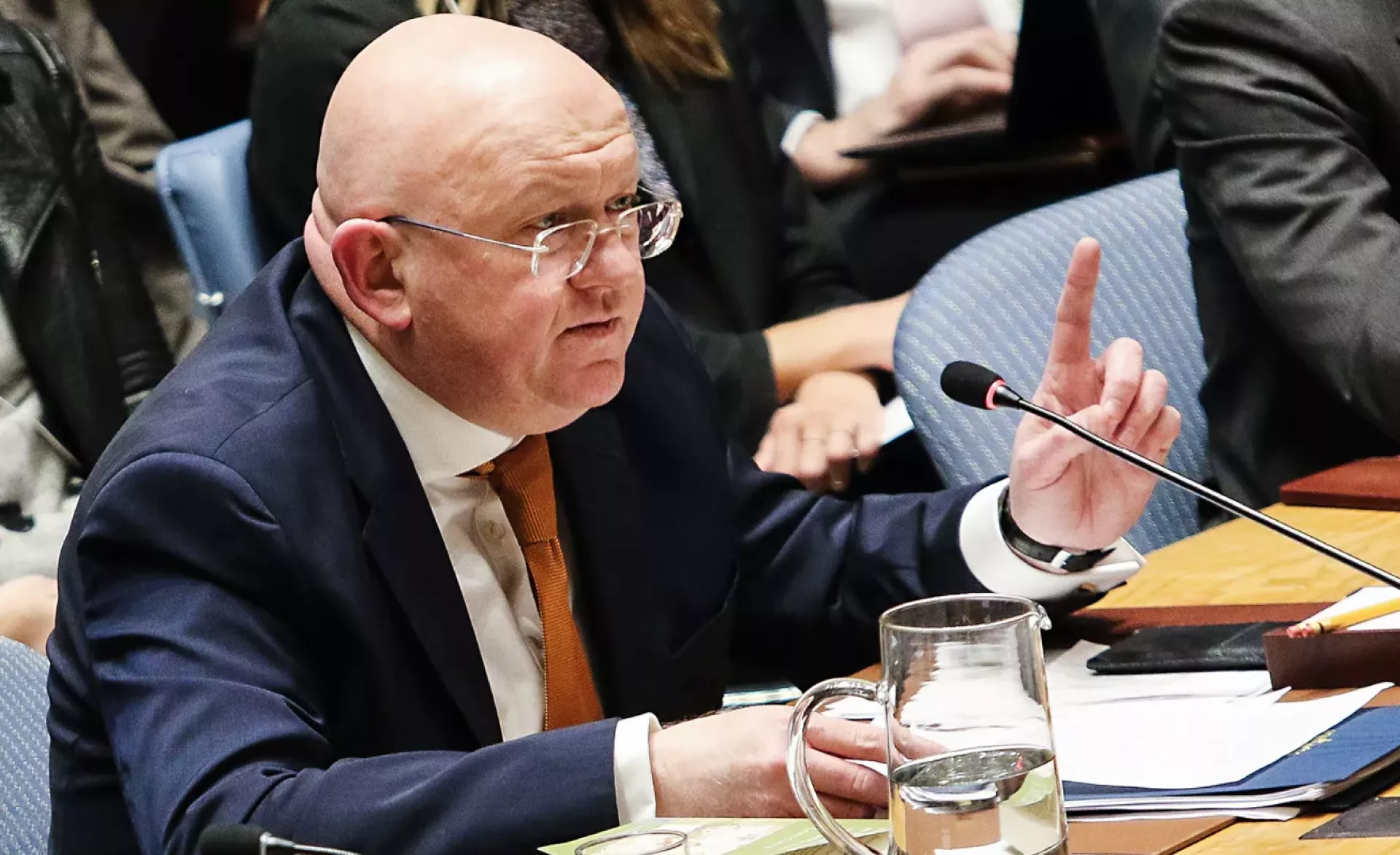
On Monday, Belgrade's 'Politika' published an interview with the Permanent Representative of the Russian Federation to the United Nations. Vasily Nebenzya claims that the Balkans are threatened by a conflict instigated by the West, and that Russia is working to calm the situation.
The phenomenon of reporting by Belgrade's 'Politika' during the 1990s has been documented in many books dealing with propaganda and the spread of ethnic hatred. To this day, that newspaper has not moved far from its worldview from the time of the breakup of Yugoslavia, aggression and genocide, although its reporting style has changed.
It could be said that today this newspaper, along with several other media outlets from Serbia, tries to package as decent and acceptable what local tabloids convey every day in simple words and photographs. Thus, in an 'analysis' wrapped in authorial titles and supported by quotes from historical figures and memories of officials, you will reach the conclusion, which 'screams' from the tabloid headlines, that Zagreb, Sarajevo, Pristina, Podgorica and the West are working on the extermination of Serbs and the destruction of Serbia.
'Politika' published an interview with Russian diplomat Vasily Nebenzya. This exclusive comes at a time when Kosovo is trying to join the Council of Europe, and the General Assembly is preparing to vote on a resolution on the Srebrenica genocide. The interview, intended to reinforce the impression that Serbs and Serbia are victims of their neighbors and the West, is written so that both the questions and answers place the Srebrenica genocide in quotation marks, as well as High Representative Christian Schmidt.
Russia has the right, Germany does not
In the interview, responsibility for such moves is imputed to Germany, 'one of the Axis powers', which, according to the interview's author, should presumably deter Berlin from contemplating any crimes. Does this mean that crimes once committed in history by some deprive their successors of the right to think about that topic? Does it mean that 'Politika' no longer has the right to talk about journalism?
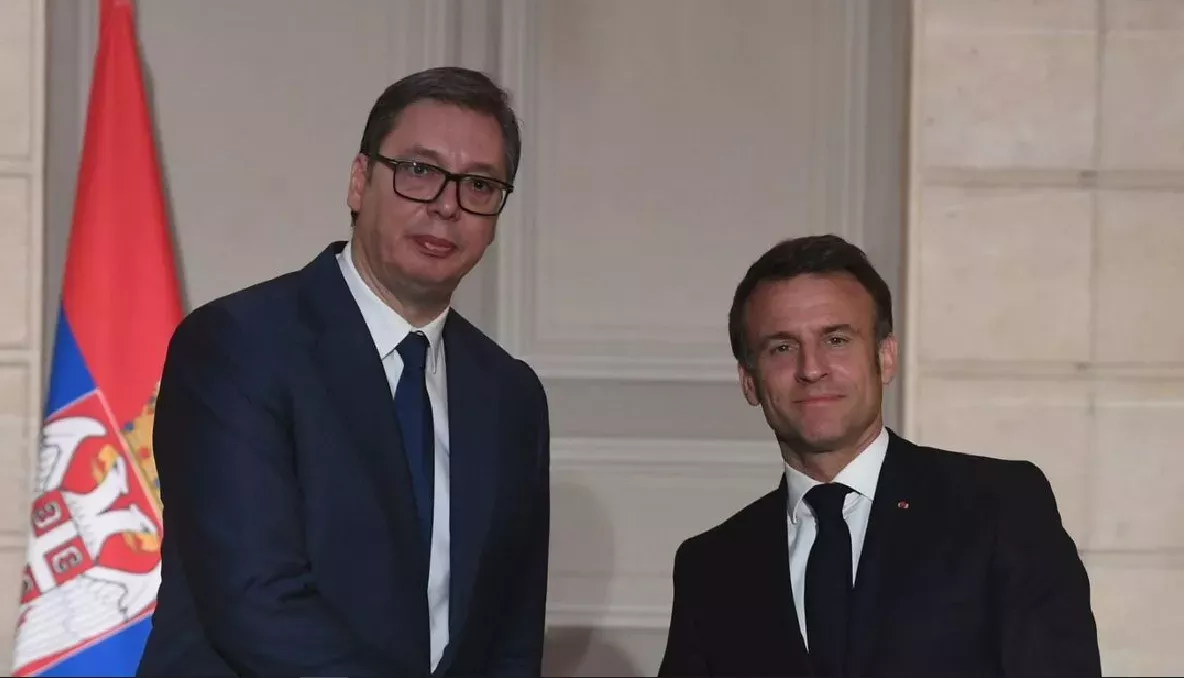
The Russian diplomat also objects to the NATO bombing of Slobodan Milošević's Yugoslavia, because, as he says, there was no approval from the UN Security Council for it. Furthermore, Nebenzya claims that a debate on that case, which Moscow insisted on, was recently prevented in the UN Security Council by France. Insisting that Paris is responsible because the debate did not take place can probably also be seen as criticism of Serbian President Aleksandar Vučić, who recently met with French President Emmanuel Macron, which apparently bothers Moscow.
Nebenzya shows that official Moscow is bothered by the growing Western influence in the Balkans and claims that 'historically, Russia and Serbia have always been close, brotherly countries, drawn to each other, while Western countries have historically been jealous of that, including the USA in the current phase of world history.' One should ask, in the context of the war in Ukraine, whether it would suit Russia for a 'brotherly country' to create a problem for the West and whether that 'brotherhood' is worth that much?
Moscow is clear that since Russia's invasion of Ukraine, condemned in a UN General Assembly resolution and also by Vučić's Serbia, the West wants to establish its own rules of play in its own backyard, which the Balkans now are. Interestingly, Nebenzya also claimed during the adoption of this resolution in his address that it leads to escalation.
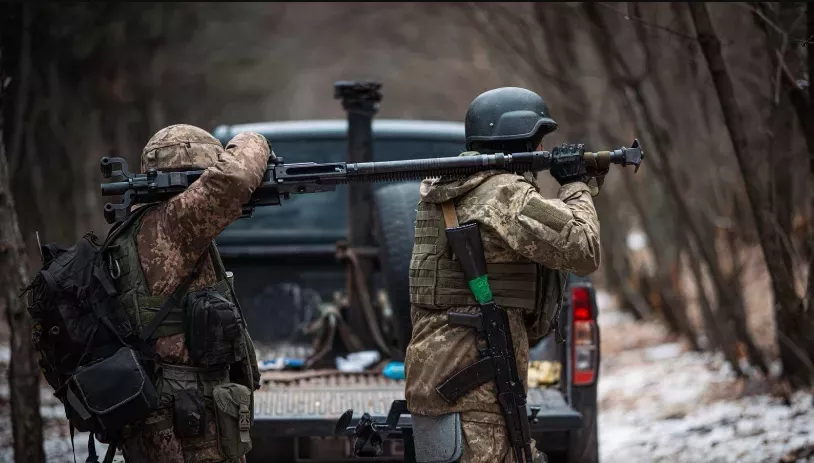
Although the entire interview is full of illogicalities and double standards, we will not dwell on that. For us in Bosnia and Herzegovina, the most important part of this interview concerns comments about new conflicts in the Balkans. Nebenzya claims that 'in BiH, our Western opponents behave no less arrogantly' than in other parts of the world and that the conflict is 'provoked by Western countries'.
Who threatens conflicts and why?
'Lobbying for the UN General Assembly resolution on the
Komentari (0)
Prijavite se za komentiranje
PrijavaJos nema komentara. Budite prvi!
Minuta
Sve →Iz drugih kategorija

High Representative Not Elected: Germans, French and British Against Americans, New Attempt at End of June

ČOVIĆ WITHOUT MERCY: How Those Who Brought Ademović to Office Created a Political Hell for Him



Sunny Saturday, quite warm



Tragedy in Albanian resort: Two minors drown












