
*The interview is also available in English, which you can read HERE
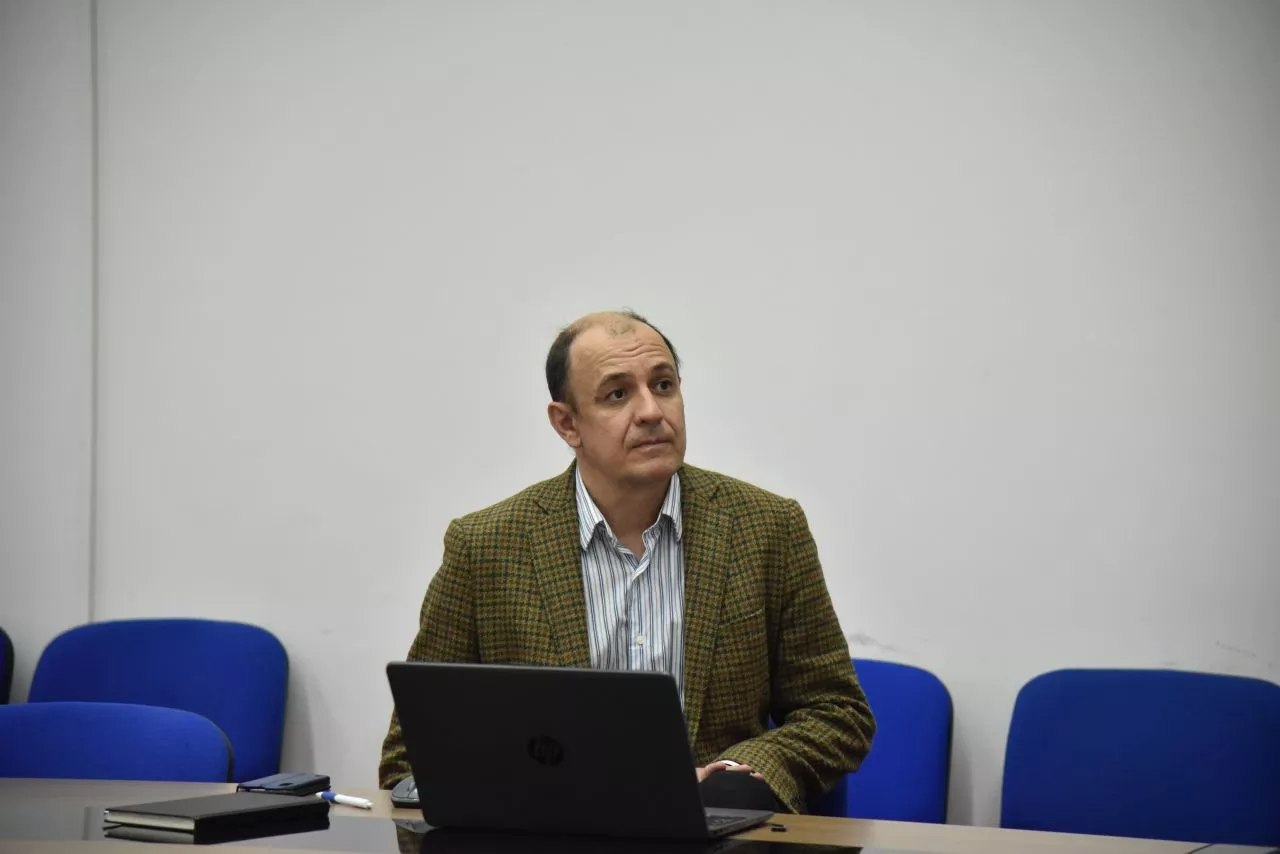
Professor dr. Aliaksandr Novikau from the International University of Sarajevo discusses in an interview with the Patria News Agency the energy challenges, problems, and needs of Bosnia and Herzegovina, its potential, and energy transition. Prof. dr. Novikao leads the Jean Monnet project "European Energy Security," funded by the European Union. Prof. dr. Novikau is an expert in energy security, environmental policy, and sustainable development.
Interview by: Amina Čorbo - Zećo
What is energy security and what are the biggest energy security challenges in Bosnia and Herzegovina today? How do these challenges fit into broader European energy security?
Novikau: Energy security is a state in which a nation, along with its citizens and economy, has access to sufficient energy resources at reasonable prices, without causing social, political, or environmental risks. The energy security challenges in Bosnia and Herzegovina today are multifaceted and reflect broader concerns across Europe, especially in the context of geopolitical changes, climate change, and economic transitions.
First, BiH's heavy reliance on coal presents a significant challenge, mirroring the European struggle with decarbonization within frameworks like the EU's Green Deal. Second, the country's dependence on Russian gas through a single pipeline reflects wider European issues with diversifying energy sources. Additionally, outdated infrastructure, political fragmentation, and slow adoption of renewable energy sources further complicate BiH's energy security, paralleling the infrastructural and political challenges many European countries face.
How do you assess Bosnia and Herzegovina's current energy infrastructure and what steps need to be taken to improve its resilience and long-term sustainability?
Novikau: BiH's current energy infrastructure is significantly outdated and urgently requires modernization. Most energy facilities, particularly coal and hydropower plants, are old, leading to operational inefficiencies, increased costs, and environmental degradation. Transmission and distribution networks are also aging, resulting in substantial energy losses and reliability issues.
To enhance resilience and move towards sustainability, BiH must undertake a comprehensive upgrade of its grid, integrating digitized smart grid technologies for better energy management, reduced losses, and seamless integration of renewable energy sources. This involves significant investment in both physical infrastructure and the digital solutions needed to manage the grid.
BiH also needs to prioritize the development of renewable energy sources where it has natural advantages, such as hydropower, wind, and solar. This transition requires not only new installations but also supportive policies that encourage renewables through incentives and regulatory clarity.
In the long term, sustainability involves cultural shifts towards energy conservation and efficiency, achieved through public education and supportive policies. Ultimately, building a resilient and sustainable energy infrastructure in BiH will not only meet immediate domestic needs but also align with global trends towards cleaner, more secure energy systems.
How can Bosnia and Herzegovina ensure a just energy transition as it moves away from coal towards renewable energy sources, supporting coal-dependent communities?
Novikau: There are serious concerns that the transition from coal to renewables could lead to economic and social problems, such as job losses in local mining and energy production industries, and increased prices for consumers. The process of green energy transition, which ultimately requires the closure of coal mines and coal-fired power plants, poses a particular challenge in regions where this sector is a vital industrial branch.
Therefore, it is important that the shift to renewables not only mitigates environmental problems but also improves overall living conditions. This can be achieved by setting strict environmental standards for all new energy projects and ensuring they benefit, rather than harm, local ecosystems and communities.
Ensuring a just energy transition in BiH requires a multifaceted approach that addresses both the economic and social dimensions of moving away from coal. The first step involves comprehensive workforce transition planning. This means initiating retraining programs for workers currently employed in the coal-related sector. These programs should focus on providing education and training for roles in the renewable energy sector or other sustainable industries, ensuring that workers have new job opportunities that match or exceed their previous employment conditions.
Economic support mechanisms are also crucial. Establishing transition funds or similar financial instruments can provide temporary income support, early retirement options for those nearing the end of their careers, or direct investments in new businesses or infrastructure in coal-dependent regions. This could include incentives for new green industries to establish themselves in these areas, thereby creating local jobs and fostering economic diversification.
Community engagement is another key element. Transition plans must be developed in consultation with local communities, ensuring their voices are heard in the planning and implementation of new energy projects. This participatory approach can mitigate resistance to change, as it addresses potential social impacts such as cultural identity tied to mining heritage or concerns about environmental degradation from new energy installations.
The EU has set ambitious goals for decarbonization and energy transition. How do you see Bosnia and Herzegovina aligning with these goals, and what are the main obstacles the country faces?
Novikau: Bosnia and Herzegovina has a huge advantage in this regard, given its rich neutral resources of hydropower, and has essentially already met these goals. However, this does not mean that the energy transition can stop.
Small hydropower projects are a controversial topic in Bosnia and Herzegovina. How can the country reconcile the need for renewable energy with the environmental and social concerns associated with these projects?
Novikau: Energy security, decarbonization of energy systems, and pollution are among the most critical energy challenges globally, with the development of renewable energy sources being a key part of the solution. However, the experience with small hydropower projects in Bosnia and Herzegovina highlights the pitfalls of assuming that all decentralized renewable technologies will be universally accepted. The rapid rise and subsequent fall of small hydropower projects in BiH underscore significant social, environmental, and financial costs with limited benefits, leading to public opposition and an effective moratorium on these projects.
The opposition to small hydropower plants in BiH and elsewhere presents ethical dilemmas for environmental activists, who often find themselves in the paradox of opposing projects that appear "green" and "local." This situation highlights the complexity of environmental communication. In BiH, discussions have been intensified by considerations of European integration, making the communication strategies of both small hydropower proponents and environmental activists an interesting area for further academic research.
First, the use of arbitrary thresholds like a 10 MW capacity to define what constitutes a "small" project for incentive purposes has shown its limitations. These thresholds often assume that smaller projects are automatically less environmentally damaging, which is not always the case. Environmental impact does not correlate with installed capacity. Therefore, all planned hydropower projects, regardless of their size, should undergo comprehensive and rigorous environmental impact assessments.
Second, public acceptance is crucial for any renewable energy initiative, even for those perceived as small-scale and decentralized. The green energy transition must consider energy justice issues that can arise even from small hydropower projects. The backlash in BiH demonstrates how local debates can escalate, influencing national and international energy policies. Ignoring public concerns can lead to governance failures, underscoring the need for active, inclusive consultations with local communities and NGOs when planning energy projects.
To align the need for renewable energy with associated concerns in BiH, the country must adopt a more nuanced approach to renewable energy development. First, this should involve tailored environmental impact assessments – each project should be evaluated on its own merits, rather than on general assumptions about size. This approach would ensure that environmental, social, and cultural impacts are adequately considered before any development begins. Second, BiH should enhance participatory processes in energy project development, ensuring that the voices of local communities are not only heard but also have a tangible impact on decision-making.
This could mitigate opposition by aligning projects with community interests and values. Third, given the controversial nature of small hydropower, exploring other renewable options like solar or wind power in suitable areas could allow for meeting energy goals without the same level of environmental and social conflict. By adopting these strategies, Bosnia and Herzegovina can work towards a more balanced approach to renewable energy development that respects both the urgent need for decarbonization and the complexities of local environmental and social concerns.
What role does energy efficiency play in Bosnia and Herzegovina's energy strategy, and how can the country improve efficiency across various sectors?
Novikau: Energy efficiency is a cornerstone of Bosnia and Herzegovina's energy strategy, offering the potential to reduce energy consumption, lower greenhouse gas emissions, and alleviate the economic burden of energy imports. By prioritizing efficiency, BiH can enhance energy security, support economic development, and align with European sustainability standards.
Improving efficiency across various sectors requires several strategic actions. In the building sector, implementing strict energy efficiency standards for new constructions and encouraging the retrofitting of existing buildings with better insulation, energy-efficient windows, and modern heating systems can lead to significant energy savings. Financial incentives for energy-efficient renovations could accelerate this process. In industry, promoting the adoption of energy-efficient technologies can yield substantial savings.
This would involve providing financial incentives for investments in energy-saving machinery or processes, along with conducting energy audits to identify inefficiencies. For transportation, improving public transport efficiency, promoting electric vehicles with incentives, and optimizing urban planning to reduce travel distances can contribute to energy savings. BiH could also implement smart traffic systems to improve flow and reduce energy loss due to congestion. Public administration can lead by example, retrofitting government buildings and upgrading public infrastructure for greater efficiency, setting a standard for the private sector.
Consumer education campaigns can shift behaviors towards more energy-conscious practices, promoting the use of energy-efficient appliances and lighting through awareness and financial incentives. Legislation should mandate energy efficiency standards for appliances, machinery, and vehicles, adopting or adapting EU energy labels to guide consumer choices. Utility providers can offer programs like time-of-use pricing to encourage energy consumption during off-peak hours, reducing peak demand.
Investing in research and development of new efficient technologies and supporting local startups in this field can foster innovation tailored to BiH's unique needs.
Ultimately, an integrated approach where all sectors work under a national energy efficiency plan ensures that efforts are not isolated but part of a cohesive strategy. By improving energy efficiency, Bosnia and Herzegovina can reduce its reliance on imported energy, make energy more affordable, create jobs in green sectors, and align with international climate goals, contributing to a robust and sustainable energy future.
What steps should Bosnia and Herzegovina take to meet the EU's energy acquis?
Novikau: Aligning Bosnia and Herzegovina's energy policies with the European Union's energy acquis is undoubtedly a complex task, requiring a comprehensive transformation of the energy sector and legislative framework. Despite some progress at the entity level, advancement at the state level remains limited, jeopardizing BiH's EU integration aspirations.
First, BiH must adopt legal frameworks for natural gas and electricity harmonized with the EU's Third Energy Package at both state and entity levels. Harmonizing these frameworks among entities is crucial to ensure the functionality of a single national energy market. Fragmentation in this area remains a significant obstacle.
Second, the country needs to enact laws on renewable energy and energy efficiency that align with its commitments under the Energy Community Treaty. These measures would promote sustainability and enhance energy efficiency across all sectors.
Equally important is strengthening coordination and cooperation at the state level among all administrative entities. The current lack of cohesion and political disagreements undermine the creation and implementation of consistent energy policies. A robust state-level coordination mechanism is essential to align efforts with EU recommendations.
BiH must also reform its renewable energy incentives. The feed-in tariff system has led to a proliferation of controversial hydropower projects that have drawn public opposition and have not significantly improved energy security. Designing a transparent and effective renewable energy support scheme is crucial for restoring public trust and achieving sustainable outcomes.
Another challenge is BiH's reliance on coal and hydropower. While these sources provide relatively affordable and reliable electricity, they conflict with EU goals for decarbonization and climate neutrality. A transition towards a balanced energy mix that includes a greater contribution from renewable sources is key. BiH must also address the environmental costs of its coal dependency and align its long-term strategies with the EU's green transition objectives.
Finally, BiH can draw lessons from the experiences of EU member states with similar energy profiles, such as Bulgaria, the Czech Republic, Greece, and Poland. Their experiences in balancing energy security, affordability, and environmental sustainability in predominantly coal-based energy systems can offer valuable insights.
How does the Jean Monnet module you lead integrate theoretical and practical aspects of European energy security, and what impact do you expect it to have on students' understanding of energy policies, particularly concerning Bosnia and Herzegovina's future energy outlook?
Novikau: The Jean Monnet project, funded by the European Education and Culture Executive Agency (EACEA), bridges theoretical knowledge with practical insights into European energy security. It provides students with an understanding of key EU energy policies, regulatory frameworks, and regional cooperation mechanisms. Through case studies, simulations, and guest lectures from industry experts, students gain hands-on experience in analyzing and addressing real-world energy challenges.
The ultimate goal is to equip students with the skills and knowledge necessary to make significant contributions to Bosnia and Herzegovina's energy security, sustainable energy development, and just energy transition – encompassing all that we have discussed today.
Komentari (0)
Prijavite se za komentiranje
PrijavaJos nema komentara. Budite prvi!
Minuta
Sve →Iz drugih kategorija

High Representative Not Elected: Germans, French and British Sabotaged Americans, New Attempt at End of June

ČOVIĆ WITHOUT MERCY: How Those Who Brought Ademović to Office Created a Political Hell for Him



Sunny Saturday, quite warm



Tragedy in Albanian resort: Two minors drown












