
After several months of persecution on Serbian territory, where they lived in difficult conditions in abandoned buildings of the "Agrokomerc" farm, an agreement was reached to help these people, led by Babo (Fikret Abdić, editor's note), to fight their way back to their territory. This intention and help also implied certain interests. First of all, to free Krajina from the burden of refugees (Abdić's followers), as the costs of their accommodation were indeed high...
... The second, and perhaps more important interest, was to resolve the issue of the Fifth Corps by arming these Abdić followers and involving them in the armed return to their homes...
Fikret Abdić gave firm guarantees that he would succeed in convincing many who were currently on the other side to join him as soon as he achieved initial successes. And so, the whole thing was planned in utmost secrecy. If this operation succeeded, it could change the entire course of the war, significantly for the Serbian side..., writes Milorad Ulemek Legija, among other things, describing the preparation of operation 'Pauk' against the Fifth Corps of the Army of RBiH, at the end of 1994.
On one side was the Army of the Army of RBiH, commanded by General Atif Dudaković and Izet Nanić, on the other side was the army of the self-proclaimed Autonomous Province of Western Bosnia, commanded by Fikret Abdić, the Army of Republika Srpska, the Army of Republika Srpska Krajina, volunteers from Serbia...
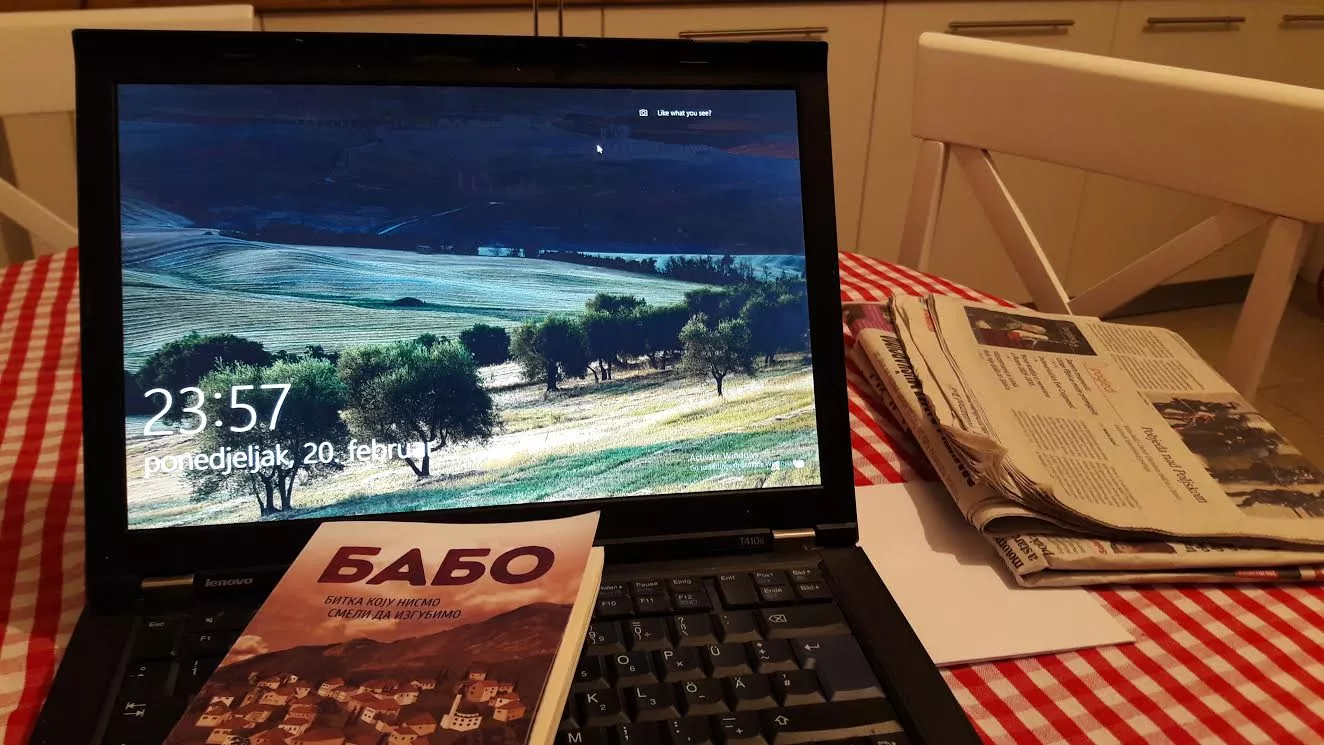
In his book 'Babo – the battle we were not allowed to lose', Legija then admits the essence of his arrival in Bosnia and Herzegovina. It was about Cazinska Krajina, he says. The opportunity arose to finally bring the entire territory, which had been under the control of the Fifth Corps of the Army of BiH since the beginning of the war, under Serbian control. Namely, Cazinska Krajina, or Western Bosnia as it was called then, had been a thorn in the side of Republika Srpska Krajina since the very beginning of the war.
- At the meeting itself, the details of the entire operation were to be coordinated. A staff was formed under the operational code name 'Pauk' (Spider), headed by Mile Novaković. He was then assigning roles for the upcoming fight – writes Ulemek. He further claims that the action plan was actually simple. All of Abdić's soldiers were to be armed, and allowed to launch an attack on the Fifth Corps of the ARBiH from the territory controlled by the Serbs. Abdić had about 5,000 soldiers at that time, divided into three brigades. Each was composed of personnel from the area they had fled from. The most numerous was the Velika Kladuša Brigade, which numbered about 2,000 men.
Ulemek further describes how it was quickly noticed that there was too large a gap between the First and Second Brigades, so it was decided to fill it with local forces, "reinforced by personnel who arrived with our convoy".
Ulemek did not hide the details in the book about how the fighters from Serbia arrived in Bosnia and Herzegovina. He claims that on the orders of Arkan, commander of the Serbian Volunteer Guard, he gathered 50 fighters and headed for Bosnia and Herzegovina. Arkan, says Ulemek, received the order to go to Bosnia and Herzegovina from someone else, but Ulemek does not specify from whom.
- After the sectors were explained, the assignment of tasks within those sectors began. In the first sector, the coordination of actions with the First Brigade was assigned to Rakun, commander of the special unit from Knin. The second sector was assigned to Kole, and the third to me. The role of us coordinators was to harmonize the actions of Fikret's brigades with the Main Command 'Pauk'. At the same time, we were to coordinate the work between the brigades. The executive command over the brigades was held by Babo's commanders – writes Ulemek.
To be continued...
Komentari (0)
Prijavite se za komentiranje
PrijavaJos nema komentara. Budite prvi!
Minuta
Sve →Iz drugih kategorija

High Representative Not Elected: Germans, French and British Sabotaged Americans, New Attempt at End of June

ČOVIĆ WITHOUT MERCY: How Those Who Brought Ademović to Office Created a Political Hell for Him



Sunny Saturday, quite warm



Tragedy in Albanian resort: Two minors drown












