
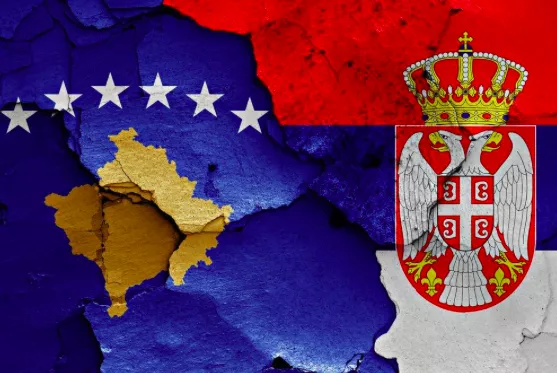
SARAJEVO, (Patria) - The majority of Serbian citizens believe that Kosovo is lost and that Serbia is unable to re-establish sovereignty, according to a survey by the Institute for European Affairs.
Citizens of Serbia believe that the Government of Serbia will not recognize Kosovo and would overwhelmingly oppose recognition in a potential referendum.
The majority state that they did not participate in the internal dialogue and do not know what is meant by demarcation, but they mostly oppose that proposal. Finally, it is interesting that more citizens oppose recognizing Kosovo if it would accelerate European integration compared to how they would vote in a referendum on Kosovo's independence.
For the fourth consecutive year, the Institute for European Affairs, in cooperation with the research company Ninamedia, conducted a public opinion survey on Kosovo from March 8 to 14, 2019. The survey was conducted on a representative sample of 1,207 respondents.
The survey topics were: whether Kosovo is lost, citizen participation in the internal dialogue, (non)recognition of Kosovo's independence, demarcation, and a referendum.
That Kosovo is lost is believed by 47 percent of respondents, while 41 percent hold the opposite view, and 12 percent do not know how to answer. That Kosovo is lost is believed to a slightly higher percentage by respondents aged 30 to 60, with secondary and higher education, as well as respondents from all regions except eastern and southern Serbia.
93 percent of respondents did not participate in the internal dialogue on Kosovo, 4 percent do not know, while 3 percent state that they participated, and among them there are slightly more men and respondents with at least completed secondary school.
More than half of the respondents (54%) believe that the current government will not recognize Kosovo's independence, mostly stated by those over 60, residents of the region of western Serbia with Šumadija, while as the level of education increases, the number of respondents who believe the government will not recognize Kosovo's independence decreases. 27 percent believe the government will recognize independence, while 19 percent do not know the answer to this question.
When asked whether they would support Kosovo's independence if it meant Serbia would become an EU member faster, 78 percent of respondents state they would not, with men stating this to a greater extent, while this number increases with age. 13 percent would support Kosovo's independence for faster EU membership, while 9 percent do not know.
Almost half of the respondents (49%) believe it is not feasible for Serbia to again have full control and sovereignty over Kosovo, with women, those over 30, respondents with at least secondary education, and residents of the Belgrade region stating this more often. 36 percent believe it is feasible, while 15 percent do not know how to answer this question.
57 percent of respondents did not know the answer to the question of what the idea of demarcation between Serbia and Kosovo entails, with women and residents of eastern and southern Serbia stating this more often, and as the level of education increases, the number of respondents who state they do not understand the idea of demarcation decreases. Under the idea of demarcation, 29 percent of citizens understand the establishment of a border whereby the north of Kosovo would belong to Serbia and the Preševo Valley to Kosovo, while 14 percent believe it is the establishment of a border in line with the currently existing administrative line.
41.8 percent do not support demarcation, with men, respondents aged 30 to 44, and residents of all regions except Vojvodina stating this more often. 24.5 percent of respondents support demarcation (slightly more stated by those over 60 and respondents from the Vojvodina region), a fifth of citizens state they have heard of it but it is not clear to them what is meant by demarcation, 9.9 percent cannot answer on this issue, and 3.8 percent have not heard of demarcation.
If a referendum on Kosovo's independence were held tomorrow, 74.5 percent of citizens state they would vote against, and these are to a greater extent men, citizens over 45, and respondents with primary and secondary education. 6.2 percent would vote for Kosovo's independence in a referendum, 11.0 percent of respondents would not go to the referendum, while 8.3 percent did not know how to answer, the survey by the Institute for European Affairs states.
Komentari (0)
Prijavite se za komentiranje
PrijavaJos nema komentara. Budite prvi!
Minuta
Sve →Iz drugih kategorija

High Representative Not Elected: Germans, French and British Sabotaged Americans, New Attempt at End of June

ČOVIĆ WITHOUT MERCY: How Those Who Brought Ademović to Office Created a Political Hell for Him



Sunny Saturday, quite warm



Tragedy in Albanian resort: Two minors drown












