
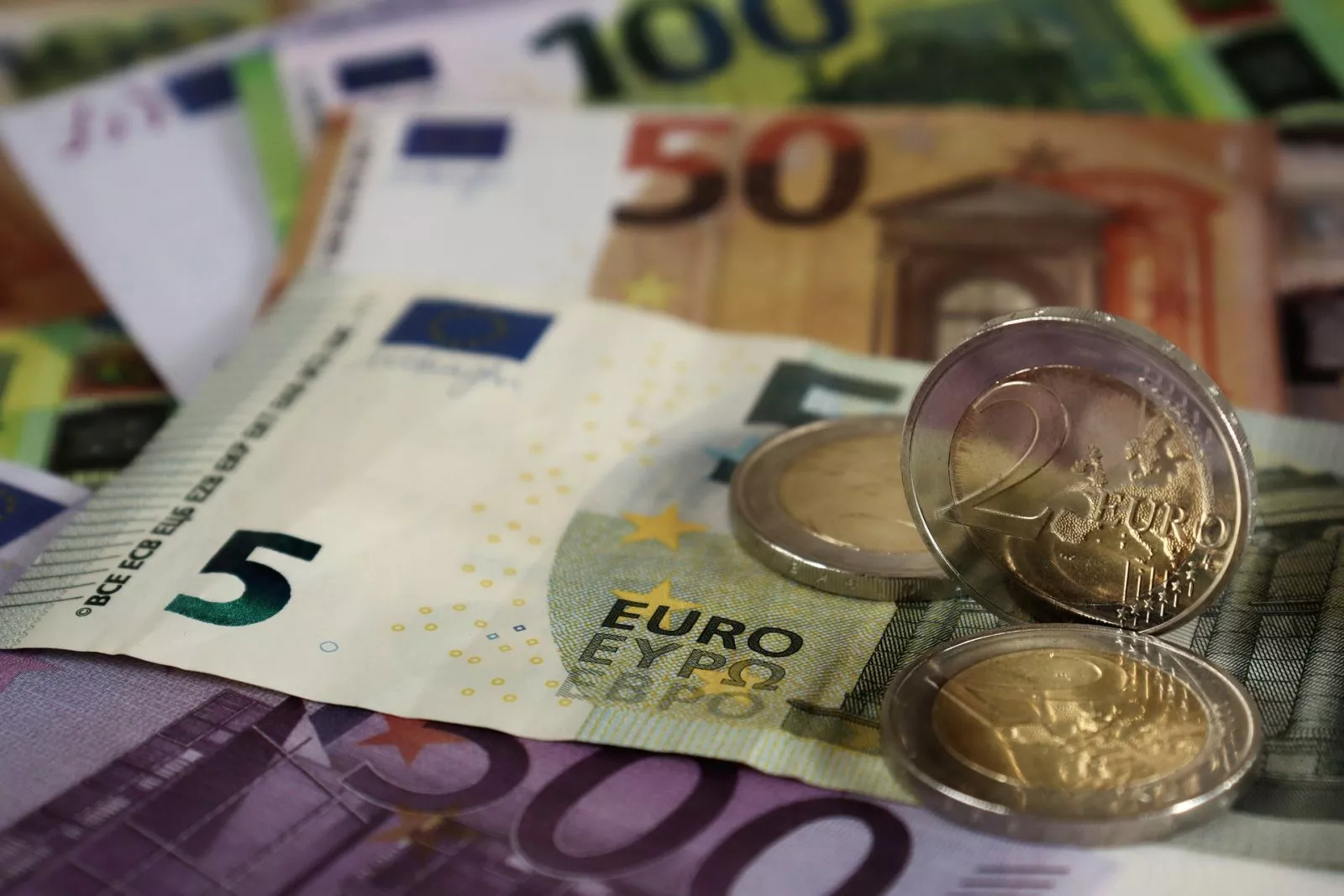
(Patria) - A little over two months ago, at the moment when midnight struck on the night of December 31st to January 1st, Croatia officially got a new national currency.
The kuna, which served Croatia more or less successfully for the last thirty years, gave way to the euro, and since then, Croatian citizens have been receiving salaries, bonuses, and other monetary rewards expressed in euros.
Although not much has fundamentally changed – in most cases, workers continued to receive amounts of the same value as before, just expressed in a different currency – a certain dissatisfaction has arisen.
This is confirmed by a survey conducted by the portal MojPosao, in which almost 900 respondents shared their thoughts, according to which as many as two-thirds of employees feel poorer since receiving their salaries in euros.
The challenges with getting used to the euro are partly due to a psychological phenomenon called the money illusion, which is not an uncommon occurrence during currency changes.
As psychologists explain, the money illusion occurs because people care more about numbers than the actual value of money, which results in dissatisfaction when nominally smaller amounts than before start arriving in their accounts.
Namely, almost two-thirds of workers in Croatia (63%) state that they feel poorer since receiving their salaries in euros instead of kuna.
They explain that they now receive their salaries in 'hundreds of euros, while it used to be thousands of kuna, which has a negative effect on their satisfaction'.
Additionally, due to inflation, the cost of living has increased, so salaries themselves, apart from the nominal amount, have also 'realistically fallen compared to before', respondents say.
On the other hand, one-third of workers in Croatia (32%) point out that they have not personally felt the effects of the money illusion and feel the same as before the currency change.
They state that they were afraid that they would suddenly feel poorer, but that in the end, it turned out to be a 'calm transition'.
Although in the minority, some people (5%) have felt richer since January 1st than before. According to their thinking, the euro is a stronger currency than the kuna was, so money expressed in euros has greater value.
Komentari (0)
Prijavite se za komentiranje
PrijavaJos nema komentara. Budite prvi!
Minuta
Sve →Iz drugih kategorija

High Representative Not Elected: Germans, French and British Sabotaged Americans, New Attempt at End of June

ČOVIĆ WITHOUT MERCY: How Those Who Brought Ademović to Office Created a Political Hell for Him



Sunny Saturday, quite warm



Tragedy in Albanian resort: Two minors drown












