
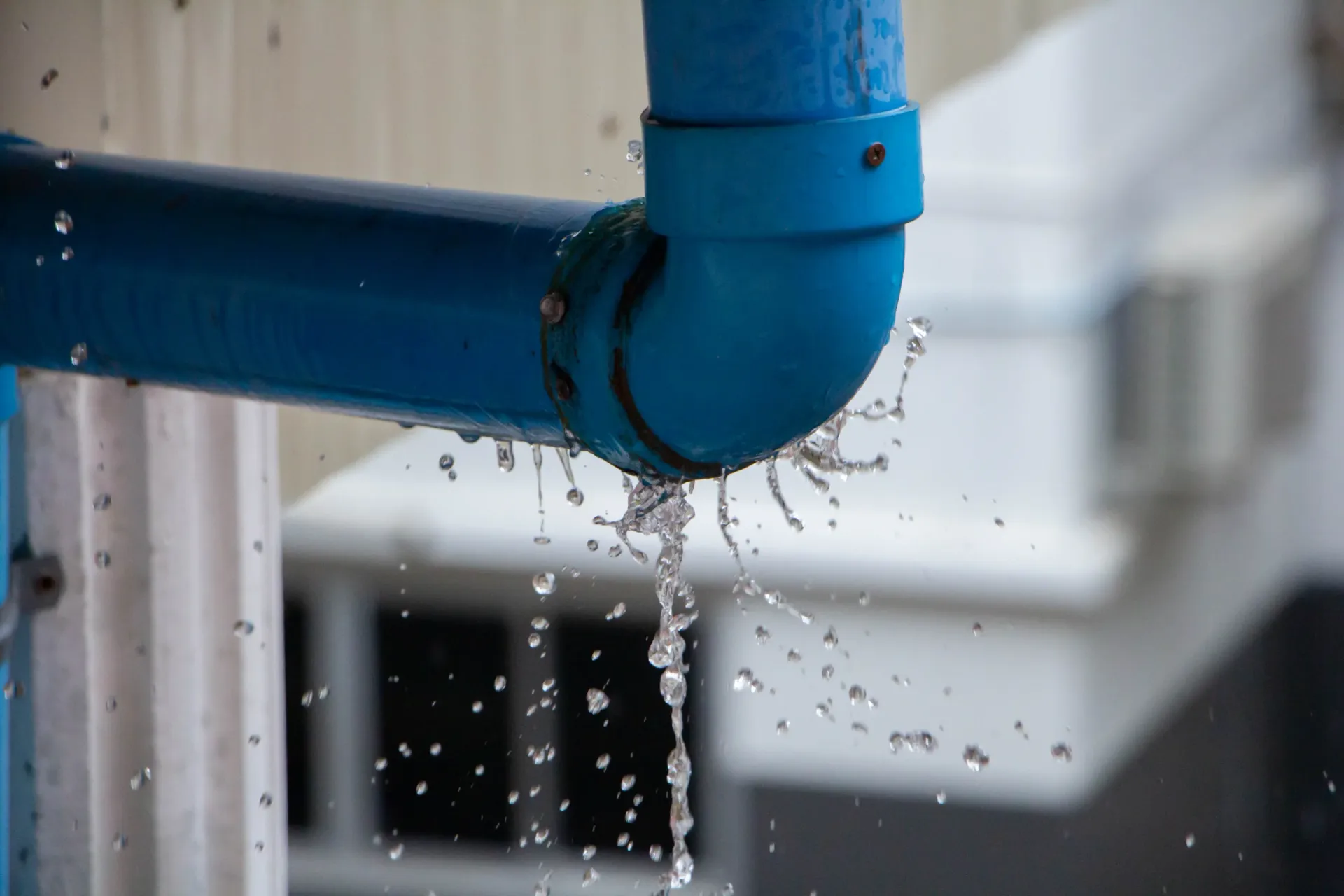
(Patria) - Croatia is losing more and more water year after year.
The Water Services Council report shows that in 2024, non-revenue water, or water "lost" on the way to consumers, reached as much as 52 percent of the total water abstracted, an increase of two percent compared to 2021.
According to the report on the state of the water services sector for 2024, more than 528 million cubic meters of water were abstracted into the public water supply system, while approximately 256 million cubic meters were billed to users.
The difference of 272 million cubic meters, i.e., 52 percent, is recorded as non-revenue water.
This refers to water lost through leaks and network bursts, technical losses, unauthorized consumption, measurement inaccuracies, i.e., water that enters the system but is not charged to end-users.
The report on the state of the water services sector and the work of the Water Services Council has been included in the agenda of the Croatian Parliament, but it is not known when the representatives will express their opinion on it.
This document shows that the average total water price for households during 2024 increased to 2.49 euros per cubic meter, while the average monthly household bill reached 29.38 euros.
The differences between different parts of Croatia are very large. The highest total water price for households is five euros per cubic meter, and the lowest is 0.85 euros, a difference of almost six times.
For some tariff items, the differences are even more pronounced. For example, the fixed part of the public wastewater treatment price in some areas is 0.07 euros per month, while in others it is 4.2 euros per month, representing a ratio of 60:1.
In 2024, a total of 141 water service providers operated in Croatia, of which 140 were publicly owned, and only one was registered as a private capital company.
According to the report of the Water Services Council, the total water services sector generated revenue growth of 53 million euros in 2024 compared to the previous year, ending the year with a profit after tax of around 45 million euros.
At the same time, the public sector generated a pre-tax financial loss of around 3.5 million euros, with expenses growing slightly faster than revenues.
Data related to water supply indicate that the situation in this area has not been improving in recent years, but rather worsening.
In 2023, the share of non-revenue water was 51 percent, one percent more the following year, while in 2021 it was around 49 percent.
This data comes from the National Action Plan for Reducing Water Losses in Croatia from 2024, which states that the share of non-revenue water at the national level in 2021 was 49 percent.
This, in turn, means that Croatia has been losing approximately half of the water entering the public water supply system for years, despite sector reforms and multi-year investments in infrastructure.
The aforementioned National Action Plan, adopted in 2024, envisages reducing the amount of non-revenue water by about 50 percent over a 15-year period – from approximately 235 to about 113 million cubic meters annually.
It is estimated that implementing this plan will require around 1.7 billion euros in investment over the fifteen-year period.
The action plan also states that "a comprehensive water loss management system has not been established" and warns that many systems lack up-to-date network maps, records of pipeline age, systematic leak detection, and specialized teams for loss management.
It is also emphasized that a large part of the water supply network is old, especially in urban areas, while most public suppliers (waterworks) replace less than two percent of the network annually.
The problem of high water losses is not unique to Croatia, but Croatian data is among the worst in the European Union.
According to data from the European Environment Agency (EEA), citing data from the association of European water utilities EurEau from 2021, about a third of the water intended for public water supply is lost in the EU before reaching consumers.
In some countries, including Croatia, Bulgaria, and Italy, losses exceed 40 percent, while Austria, Denmark, and the Netherlands have managed to reduce losses to below 15 percent of the total public water supply.
Komentari (0)
Prijavite se za komentiranje
PrijavaJos nema komentara. Budite prvi!
Minuta
Sve →Iz drugih kategorija

High Representative Not Elected: Germans, French and British Sabotaged Americans, New Attempt at End of June

ČOVIĆ WITHOUT MERCY: How Those Who Brought Ademović to Office Created a Political Hell for Him



Sunny Saturday, quite warm



Tragedy in Albanian resort: Two minors drown












