
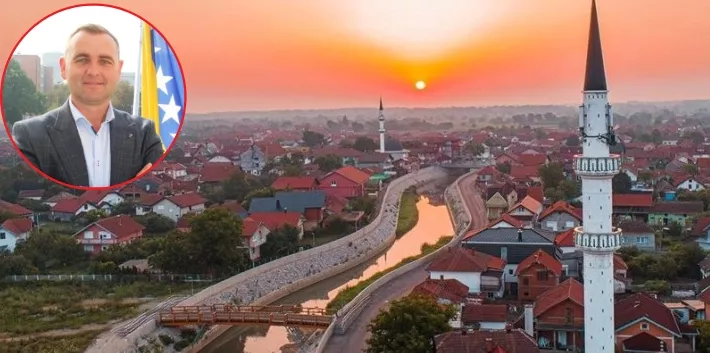
Interviewer: Delvin Kovač
On the last working day of 2023, an initiative meeting was held at the Janja Cultural Center to launch the procedure for returning the status of a municipality to the largest local community in the Bijeljina area - Janja.
The meeting was attended by members of the Initiative Committee: President of the Municipal Board of SDA Janja and Vice-President of the Bijeljina City Assembly Mustafa Gradaščević, President of the City Board of NiP Bijeljina Sead Trnovac, former President of SDA Janja, councilor in the Bijeljina City Assembly and delegate in the National Assembly of Republika Srpska Samir Baćevac, President of FK "Podrinje" Janja Muhamed Šehić, President of UG "Oxigen" Nedim Hadžić, and owner of the media outlet "Podrinjemedia" Vahidin Mulamustafić.
- The topic was launching an initiative to establish the municipality of Janja. As I already announced at the last extraordinary session of the Bijeljina City Assembly, the overall stepmotherly treatment of the Bijeljina City Administration towards Janja and other local communities south of it was crucial for us to seriously pursue this initiative.
The last few "bad" years for Bijeljina, led by Mayor Ljubiša Petrović, have culminated in the last year for Janja - with no investment in infrastructure, among other things.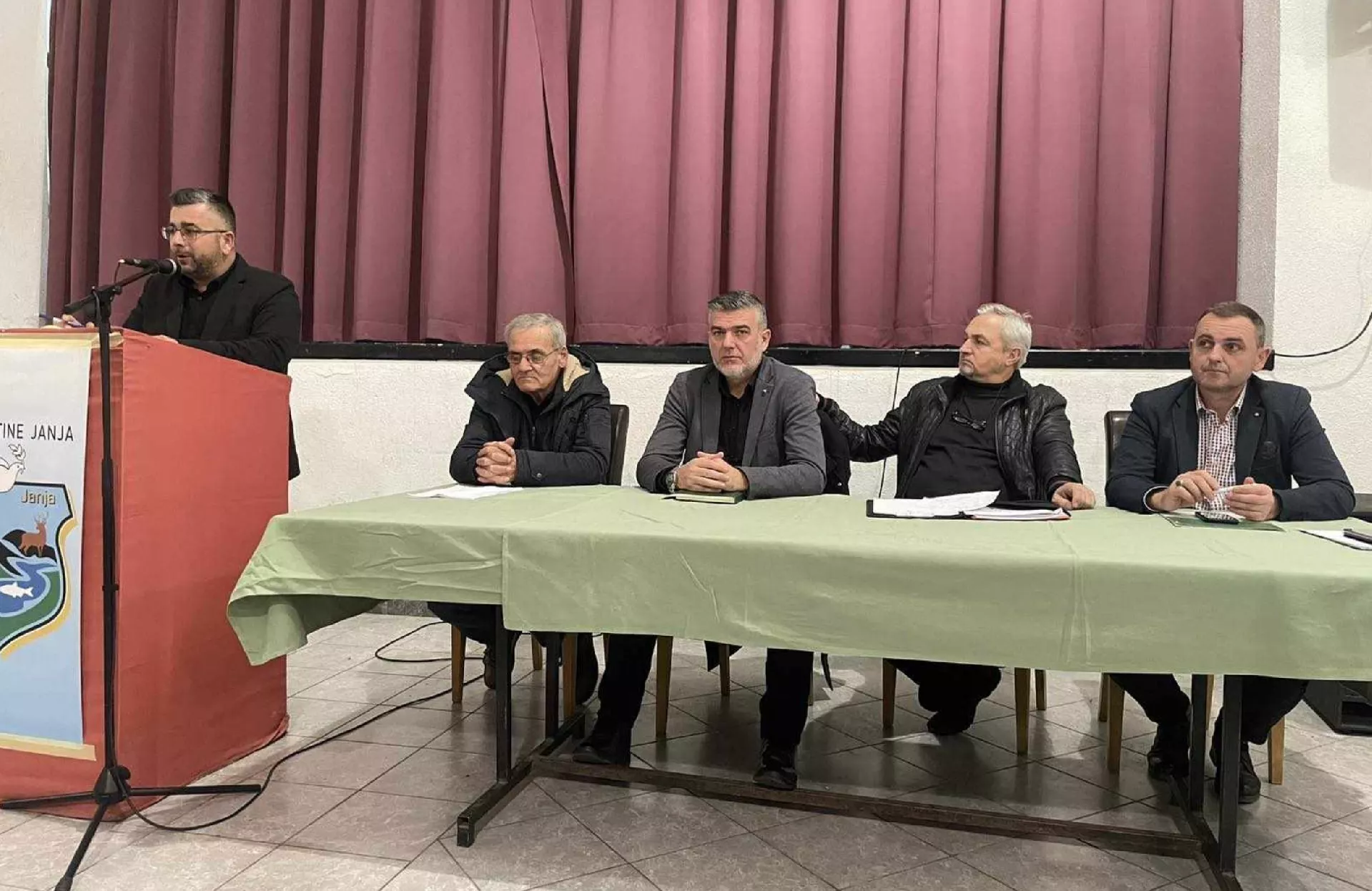
From the initiative meeting
We had an initiative meeting to launch the initiative. We know that it will not be met with approval, that it will be a thorny path, but at this moment, we had no other choice.
This is, in a way, our response to the current attitude of the City Administration and the current mayor, Ljubiša Petrović, towards the largest local community in the Bijeljina area, and also towards Bosniaks - says the Vice-President of the Bijeljina City Assembly, Mustafa Gradaščević, in an interview with the Patria News Agency.
He reminds that Janja was previously a municipality, and that its status was revoked by decree of the then communist authorities in 1961. Janja was then annexed to Bijeljina.
The municipality of Janja at that time included 14 local communities - from Čardačine, Kojčinovac, Ruhotina, Obriježi, Glavičice, Banjica, Kacevac, Modran, Čengić… towards Zvornik.
- We will engage lawyers, economists, experts who will help us in our further steps, so that we can shape everything and submit it for further procedure, i.e., an initiative to the Bijeljina City Assembly.
We know and are aware that we have a difficult and long process ahead of us, and that political will is needed first and foremost to carry out this procedure - says Gradaščević.
He emphasizes that the political situation in the Bijeljina area is extremely turbulent and unstable. This dates back to the last local elections, where the majority in the City Assembly is held by SNSD and the coalition gathered around the party of Milorad Dodik.
- On the other hand, the mayor is from SDS. Tensions and friction between these two politically opposed camps have been ongoing since the elections, culminating in March last year when the parliamentary majority decided to initiate the recall of Mayor Ljubiša Petrović.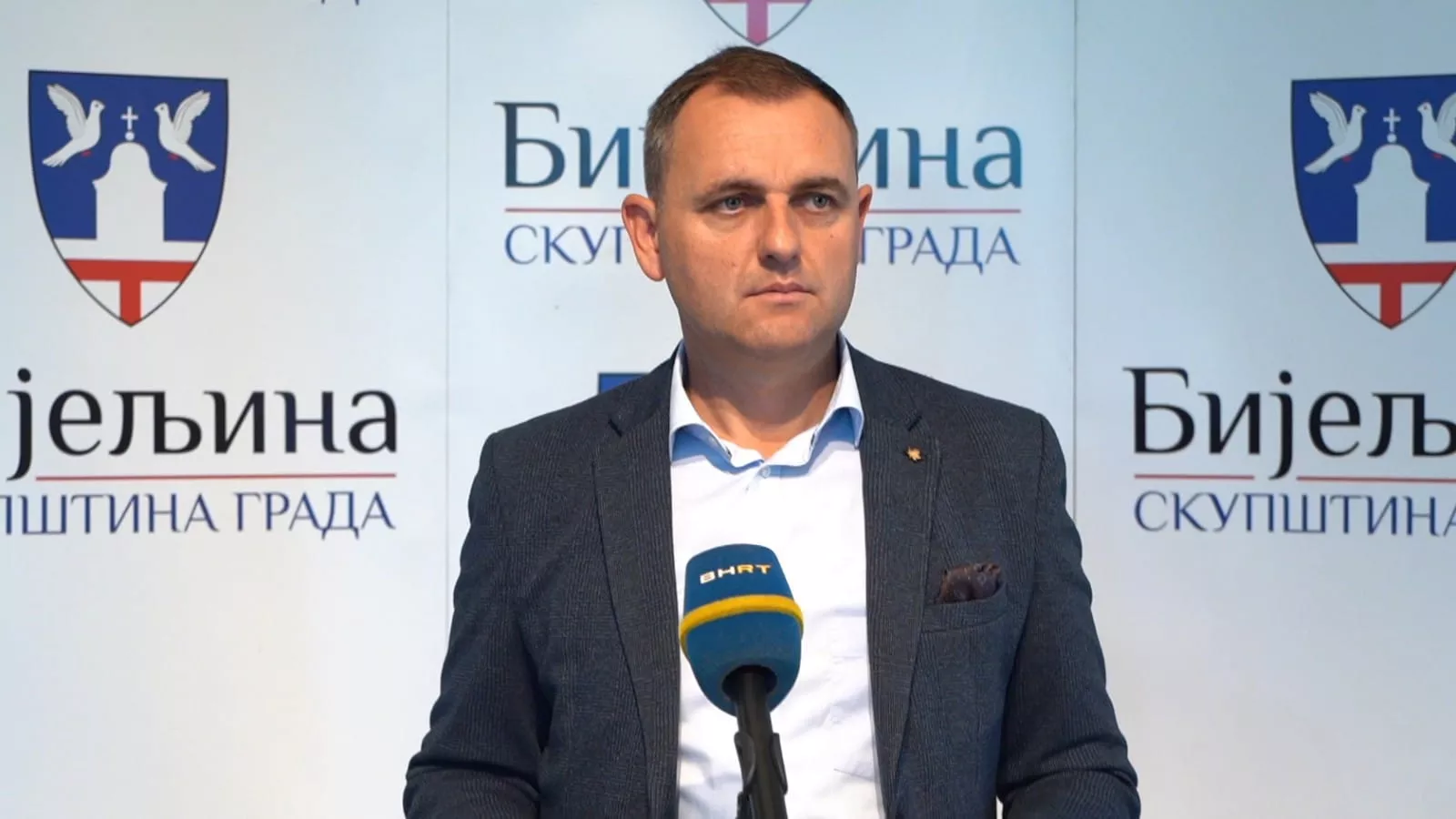
Gradaščević: A difficult and long process
The recall failed, but the situation further complicated. The lack of cooperation between the Assembly and the mayor is reflected in the city being blocked and lagging behind the previous period, when Bijeljina was perhaps the number one local community in many aspects in the smaller Bosnian entity.
For example, in the past three years of this mandate, not a single significant infrastructure project has been realized in Bijeljina, and over 200 million marks have passed through the city treasury, i.e., the budget. Moreover, even the current maintenance of infrastructure in local communities is not being carried out - Gradaščević emphasizes.
He explains that the city budget for this year is slightly over 74 million KM. And precisely that, our interlocutor points out, is one of the reasons why the Initiative Committee decided to launch the initiative to return the status of municipality to Janja.
- Incidentally, Janja had 11,700 inhabitants in the last census. Also, Janja has several dozen business entities that fill the city budget. And from that same budget, not a single mark came to the infrastructure in Janja last year! This clearly shows that stepmotherly treatment and segregation - states Gradaščević.
According to him, Bosniaks in Bijeljina currently do not have the rights that the Constitution, laws, and other legal acts of the smaller Bosnian entity allow them. This is primarily reflected in the number of employees in city and entity institutions.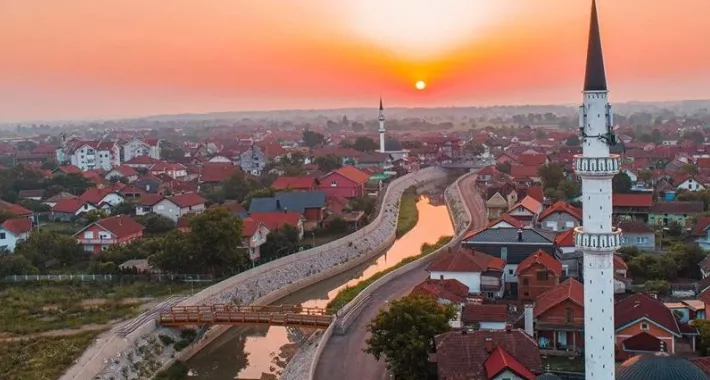
Panorama of Janja
- For example, in the Bijeljina City Administration today, barely ten Bosniaks have permanent employment contracts out of over five hundred employees in the city administration. The situation is no better in other public services and companies - notes Gradaščević.
He says there are even public institutions where there are no Bosniak employees. In addition, one of the problems for Bosniaks is the inability to study the Bosnian language in schools.
- A major challenge currently for all Bosniaks in the smaller BiH entity, including the Bosniaks of Semberija, is the security situation in light of the latest announcements of possible secession of this entity, constant threats of potential conflicts, border crossings, etc...
All these problems, and many others I haven't mentioned, make the lives of Bosniak returnees increasingly difficult every day. It seems to me personally as if this is some kind of "soft" pressure so that even the few of us who live here leave, and that the plan drawn up in the nineties, when the aggression against the Republic of Bosnia and Herzegovina began, when systematic expulsion and cleansing of territories began, is finally realized - Gradaščević told us.
He also states that two political parties operate among Bosniaks in the Bijeljina area - SDA and NiP. They ran together in the last local elections.
- I hope, and we are actively working on it, that we will run together in the local elections this year as well. Without a unified and joint appearance, it is questionable whether any Bosniak would get elected to the City Assembly - he adds.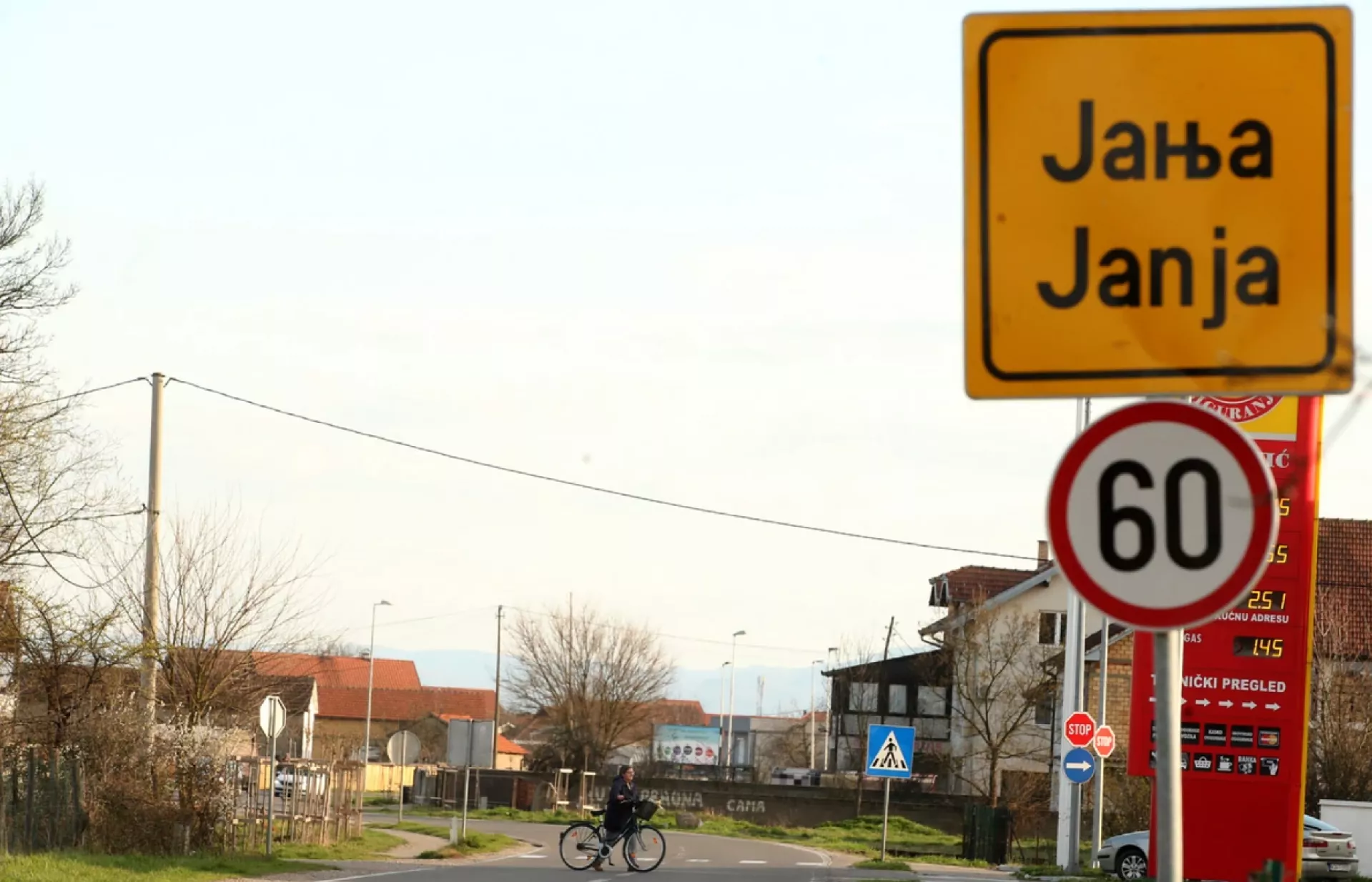
Janja had 11,700 inhabitants in the last census
He gave an example that the census for entering the City Assembly in the last elections was approximately 1,800 votes.
- That is extremely high. The only chance to repeat the result we currently have, and we have two councilors, is to run together. I don't need to mention the importance of having representatives in the local government.
Most of the problems and needs that citizens have are related to local government. This has even greater weight and importance when we talk about political existence and participation in the smaller Bosnian entity.
Only as much as we are politically strong and important can we exercise our rights. In all other cases, the system down there does not recognize us - concludes Mustafa Gradaščević in an interview with Patria.
Komentari (0)
Prijavite se za komentiranje
PrijavaJos nema komentara. Budite prvi!
Minuta
Sve →Iz drugih kategorija

High Representative Not Elected: Germans, French and British Sabotaged Americans, New Attempt at End of June

ČOVIĆ WITHOUT MERCY: How Those Who Brought Ademović to Office Created a Political Hell for Him



Sunny Saturday, quite warm



Tragedy in Albanian resort: Two minors drown












