
In the center of Mostar, flags of the so-called Croatian Republic of Herceg-Bosnia appeared on lampposts on Thursday morning. This was an introduction to the commemoration of the 25th anniversary of the founding of the Croatian Community of Herceg Bosne. The flags in Mostar stirred up spirits in the city on the Neretva. Some analysts assessed that the commemoration of the anniversary of the establishment of HZHB is an attack on the state of Bosnia and Herzegovina. And that cannot bring good to any nation in BiH.
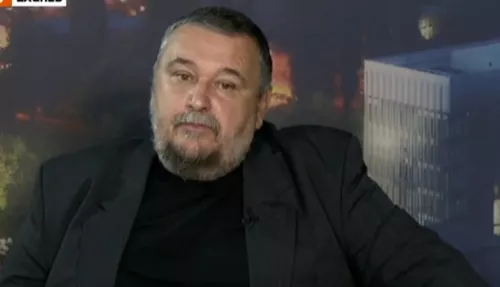
Davor Gjenero, a respected political scientist and political analyst, says in an interview with the Patria News Agency that he hopes the situation between Croats and Bosniaks is not that dramatic. In addition, he says, he hopes that with a rational stance from Zagreb, the view that Croats and Bosniaks must first resolve their mutual problems in the Federation, and then together as allies, fight to no longer be treated as national minorities within Republika Srpska, but as constituent peoples, will eventually prevail among Croats in Bosnia and Herzegovina.
- This is the only way BiH can be maintained as a unified state – Gjenero told Patria.
Gjenero does not hide his concern that the direction of a third entity is strengthening again in Bosnia and Herzegovina, although, he says, "in Croatia itself, more and more people are realizing that a third entity is the worst possible solution for Croats in BiH, because a large part of Croats in the country would be left without any political protection."
When asked about the position of official Zagreb regarding internal relations in BiH, specifically the Croatian people and the creation of a third entity, Gjenero says that at this moment, Croatia needs someone like former Croatian President Stjepan Mesić who will tell the Bosnian Croats that they should resolve their problems in Sarajevo, not in Zagreb, because their capital is Sarajevo, not Zagreb.
- It would be good if we had someone who, like former President Stjepan Mesić, would loudly tell Croats in BiH that Sarajevo is their capital and that they must resolve their key problems in Sarajevo. It seems to me that the current political elite in Zagreb thinks this, but does not dare to say it so loudly – Gjenero says.
- The only direction that Zagreb can offer BiH, or rather Croats in BiH, is strong support for Europeanization, and the model of Europeanization is, figuratively speaking, a move away from Dayton and a move towards Brussels, and it can be a framework for establishing equal relations, first between Croats and Bosniaks, and then in the second phase, among all three constituent peoples – Gjenero believes.
When asked if the official Croatian policy from Zagreb is afraid to publicly say what it thinks about Croats in BiH because they might lose votes from Bosnia and Herzegovina, Gjenero says that this is precisely the problem with Croatia's current position.
- The problem arises from the fact that Mr. Čović currently has more influence on politics in Croatia than Croatian politics has influence on processes, conditionally speaking in Mostar, on processes within the political elite of Croats in Bosnia and Herzegovina, but these processes are not too long-term favorable for the current leadership of HDZ BiH – Gjenero believes, writes Patria.
Komentari (0)
Prijavite se za komentiranje
PrijavaJos nema komentara. Budite prvi!
Minuta
Sve →Iz drugih kategorija

High Representative Not Elected: Germans, French and British Against Americans, New Attempt at End of June

ČOVIĆ WITHOUT MERCY: How Those Who Brought Ademović to Office Created a Political Hell for Him



Sunny Saturday, quite warm



Tragedy in Albanian resort: Two minors drown












