
By: Nevena Kovačević
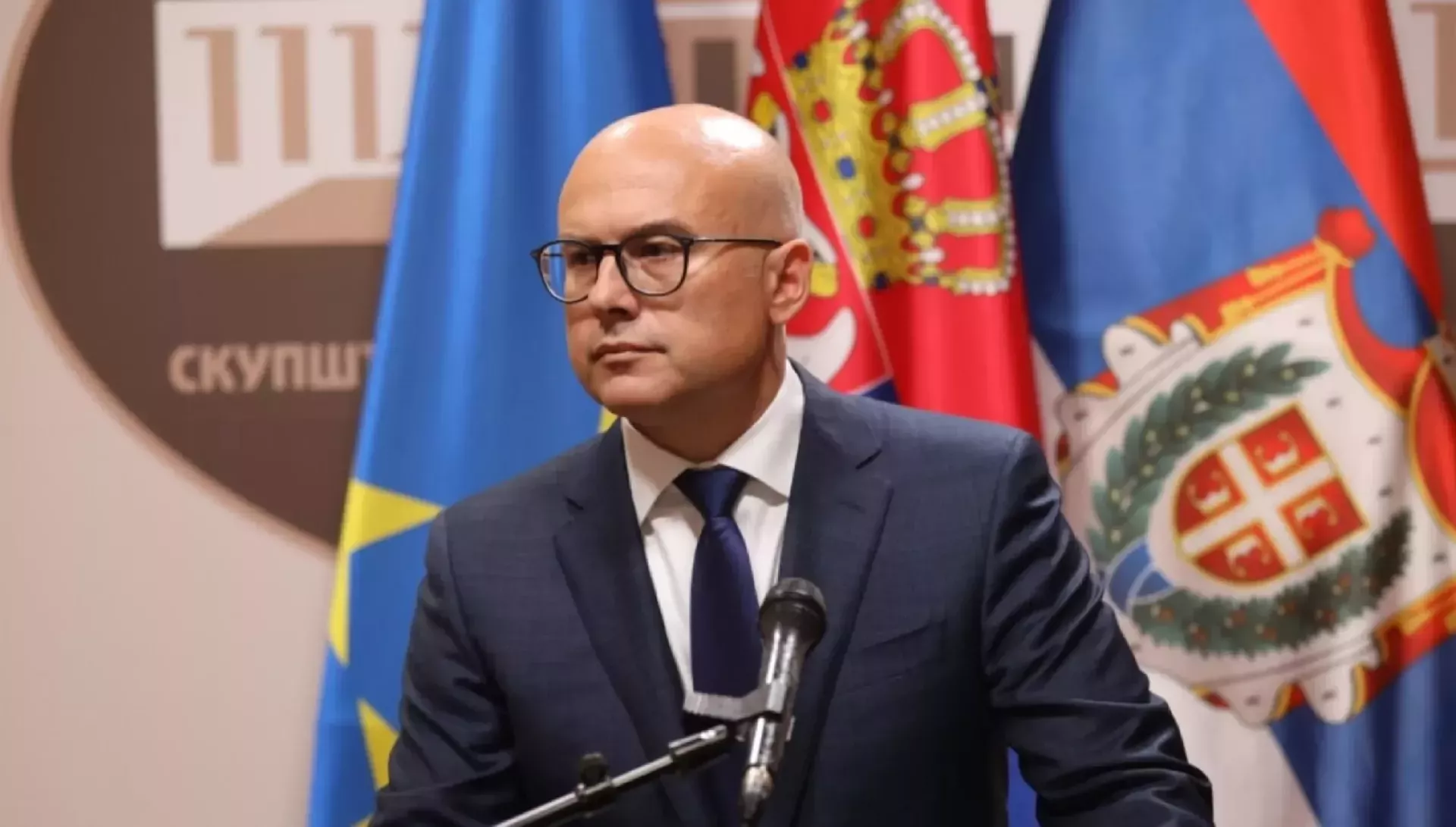
Serbian Minister of Defense and President of the Serbian Progressive Party Miloš Vučević said yesterday that Montenegro and North Macedonia have wronged Serbia by recognizing Kosovo, and that such a decision will backfire on them, as happened with Ukraine.
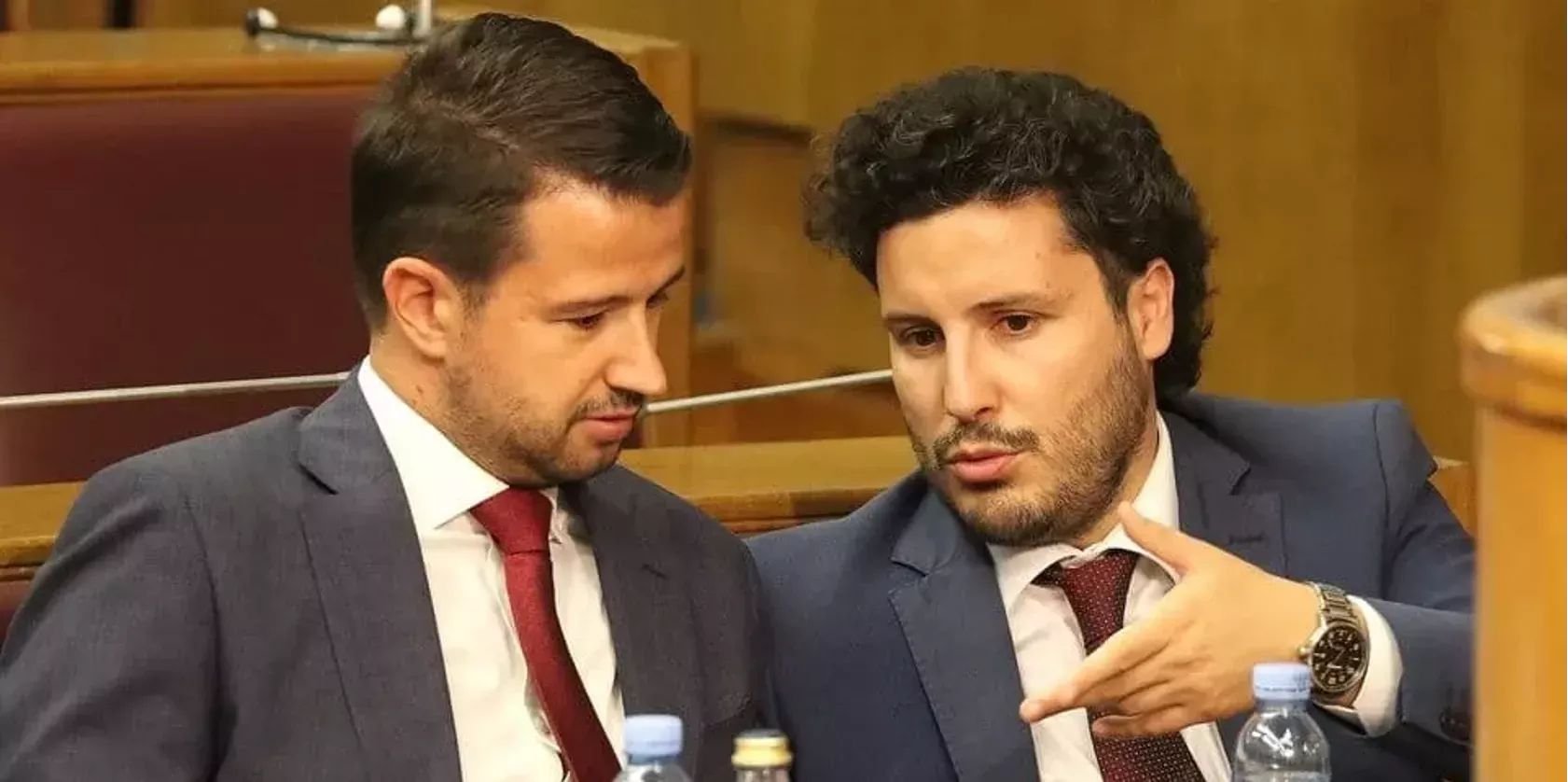
In an ideal democratic society, the top leadership of Montenegro, led by President Jakov Milatović and outgoing Prime Minister Dritan Abazović, would have responded as soon as possible, defending the sovereignty of the state they lead and which, as such, makes independent decisions, without external pressure.
In the case of Montenegro, which has significantly moved away from democratic values over the past three years, direct threats and warmongering messages from official Belgrade are almost going unnoticed.
President Milatović cautiously wrote in a post on social network X this morning that, as president, he finds it unacceptable for foreign factors from the region and the rest of the world to interfere directly or indirectly in the process of forming the new Montenegrin government.
And about Vučević's threats, as expected, there is not a single word. The question arises - who are the foreign factors the president mentions, from which part of the region or the world do they come, what are their messages, and who are the individuals who publicly convey these messages?
Another very careless attempt to sit on two chairs, so as not to offend the leaders of the Serbian world at all costs, opens up room for various interpretations.
Reading this statement, one might think that the pro-Western president agrees with the leaders of the former Democratic Front in the assessment that Western embassies should not interfere in the process of forming the Montenegrin government, since the continuous pressure from the Serbian authorities aimed at including representatives of the For the Future of Montenegro coalition in the executive branch is not explicitly mentioned anywhere.
However, we are accustomed to Milatović's relativizing statements whenever it is necessary to strongly oppose the policy of the former or current Serbian leadership.
Whether it concerns the genocide in Srebrenica, the wars of the nineties, the attitude towards Kosovo, or interference in the internal affairs of the countries of the region, the president skillfully avoids stating a clear and precisely formulated position condemning the policy of Greater Serbian nationalism and the actions of those who implement that policy.
Nevertheless, support should be maintained and a new cordial reception should be ensured during the next visit to Belgrade, with the unavoidable pleasant dinner and singing of Ivica Dačić.
The outgoing prime minister and members of the government in an unlimited technical mandate are clearly resting carefree, ignoring open threats of the Ukrainian scenario and the outbreak of war.
For Abazović and his ministers, such messages do not pose a security risk, just as the patrolling of Russian spies in Montenegro, whose exposure was halted by the dismissal of the former head of the National Security Agency, Savo Kentera, and the appointment of new leadership headed by Boris Milić, which created chaos in the security sector.
While Milatović does not want to betray the leaders of the ideology he himself espouses, Abazović continues with a policy of unquestioning subservience, in the hope of gaining some political points that would encourage Aleksandar Vučić and his spokespersons to grant him some part of the pie in the new executive government, despite the conflict with Milojko Spajić and the fact that his party is not participating in the negotiations on the composition of the government.
The absence of a statesmanlike response is a clear message of tacit support for aggressive interference in the internal affairs of Montenegro, an independent and sovereign state.
And it is conveyed to the citizens that friendly relations with the central branch of the Serbian world are more important than defending state sovereignty.
Since there is still no progress regarding the agreement on the distribution of portfolios in the new government, the continuity of pressure from official Belgrade will continue in the coming days, without resistance or reactions from the leaders of the authorities.
If the mandatary Milojko Spajić follows the policy of his party colleague Jakov Milatović, allowing representatives of the For the Future of Montenegro coalition direct participation in the executive power, it will undoubtedly be the long-awaited government under the patronage and complete control of the Russian and Serbian worlds, and we will have another pawn in the prime minister's position who, instead of declarative pro-Western policy, implements the orders of the leader of the neighboring country.
Spajić's insistence on continuing negotiations with the constituents of the former DF indicates his indecisiveness and unwillingness to resist the realization of a scenario created in the kitchen of the Russian-Serbian agency.
The formation of such a government would send an unpleasant message to the entire region - as long as there are obedient individuals at all levels of government and a largely passive opposition, the Serbian world has a free hand.
Komentari (0)
Prijavite se za komentiranje
PrijavaJos nema komentara. Budite prvi!
Minuta
Sve →Iz drugih kategorija

High Representative Not Elected: Germans, French and British Sabotaged Americans, New Attempt at End of June

ČOVIĆ WITHOUT MERCY: How Those Who Brought Ademović to Office Created a Political Hell for Him



Sunny Saturday, quite warm



Tragedy in Albanian resort: Two minors drown












