
By Armin Sijamić
The involvement of Kennedy family members in American politics has always attracted media attention. But one of the Kennedys has not had much space in most American media in recent months, even though he is in the presidential race. What's more, he has been branded a populist, an anti-vaxxer, and a conspiracy theorist.
Midway through last year, Democrats were finalizing their list of candidates for the party nomination. At that time, there was no doubt that it would be Joseph Biden, while the Republican race seemed more uncertain, and there was a possibility that, due to court proceedings and resistance from some Republicans, Donald Trump would not be the winner of the intra-party competition.
Robert F. Kennedy Jr. wanted the Democratic nomination, seeking debates with Biden. The debate did not happen. Robert Francis Kennedy Junior, also known as RFK, decided to be an independent candidate, meaning he would not seek the nomination of the party his family belongs to.
Debates are still important
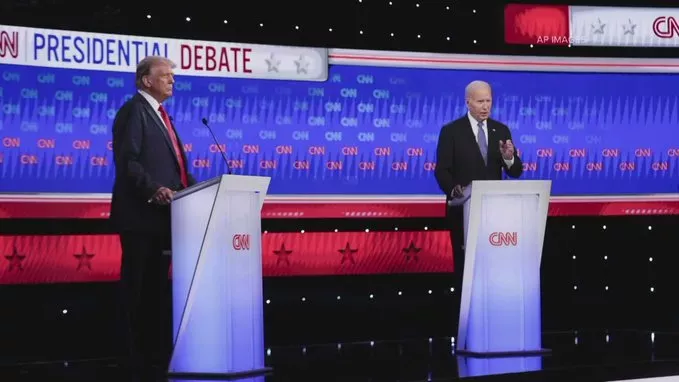
The debate that RFK sought might have helped Democrats determine the current president's readiness to debate for hours in front of millions of viewers. Now, calls for Biden not to be the candidate are growing stronger after a poor performance in the debate with an equally poor Trump.
Whether the Democrats will keep Biden in the race will be known in the coming weeks, and until then, RFK is acting as much as possible within a media blockade, i.e., being ignored, and being presented as a kind of Trump on the American left. But RFK is neither left-wing nor does he harbor excessive sympathy for Trump. RFK says things that Trump doesn't mention, meaning he is much further from the American establishment than the former president.
Interest in RFK's views has increased following the aforementioned debate between Biden and Trump. Since RFK was not invited to the debate, he responded to questions posed to CNN guests via a live stream on the social network X. He claims that ten million people watched him at the time.
To be invited to a debate by CNN, a candidate had to be above fifteen percent support in four national polls or be on the ballots of states to theoretically win 270 electors.
RFK said he would formally meet these conditions and thus appear in the September presidential debate to be broadcast by leading television channels. He says he already meets these conditions but is not registered in many states because the relevant authorities refuse to do so until August, adding that he has managed to get on the ballots in eight states, while Biden and Trump are not yet in any, nor are they official candidates until the party conventions. He accused CNN of setting the criteria for debate participation in such a way that he would not appear, claiming that some polls give him seventeen percent.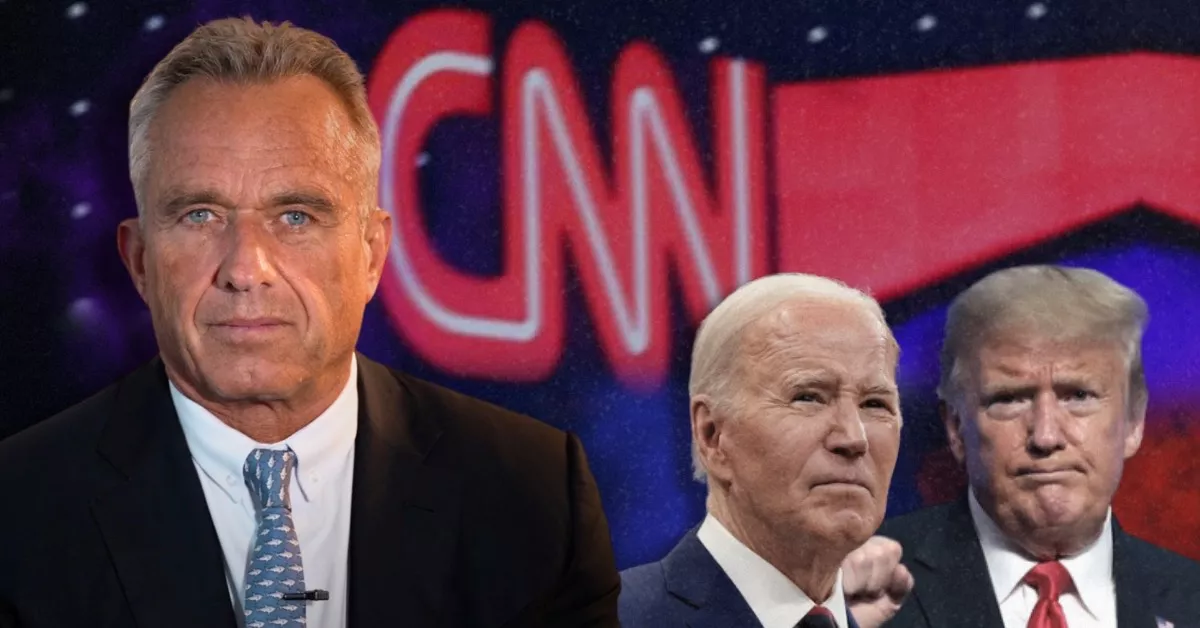
Who is RFK and what does he offer American voters?
As the nephew of former President John F. Kennedy, who was assassinated in 1963, and the son of former Senator Robert F. Kennedy, who was assassinated in 1968 during his own presidential campaign, RFK seems like a logical choice for the Democratic Party at first glance. However, things are different, even within the Kennedy family. Many family members have said they do not support his views or endorse his campaign. At least fifteen of RFK's relatives have endorsed Biden, describing their cousin as a threat to his re-election because he could split the Democratic vote.
RFK's past statements are also a problem in his relationship with the media. He is particularly criticized for linking childhood vaccinations and autism, leading an organization that dealt with this issue, and he fiercely criticized the measures against the coronavirus, comparing them to the measures of German Nazis. Those criticisms brought him popularity among Trump supporters as well. RFK often said things that Trump did not. He claimed that the American middle class was destroyed during the pandemic and that their money flowed into the pockets of billionaires.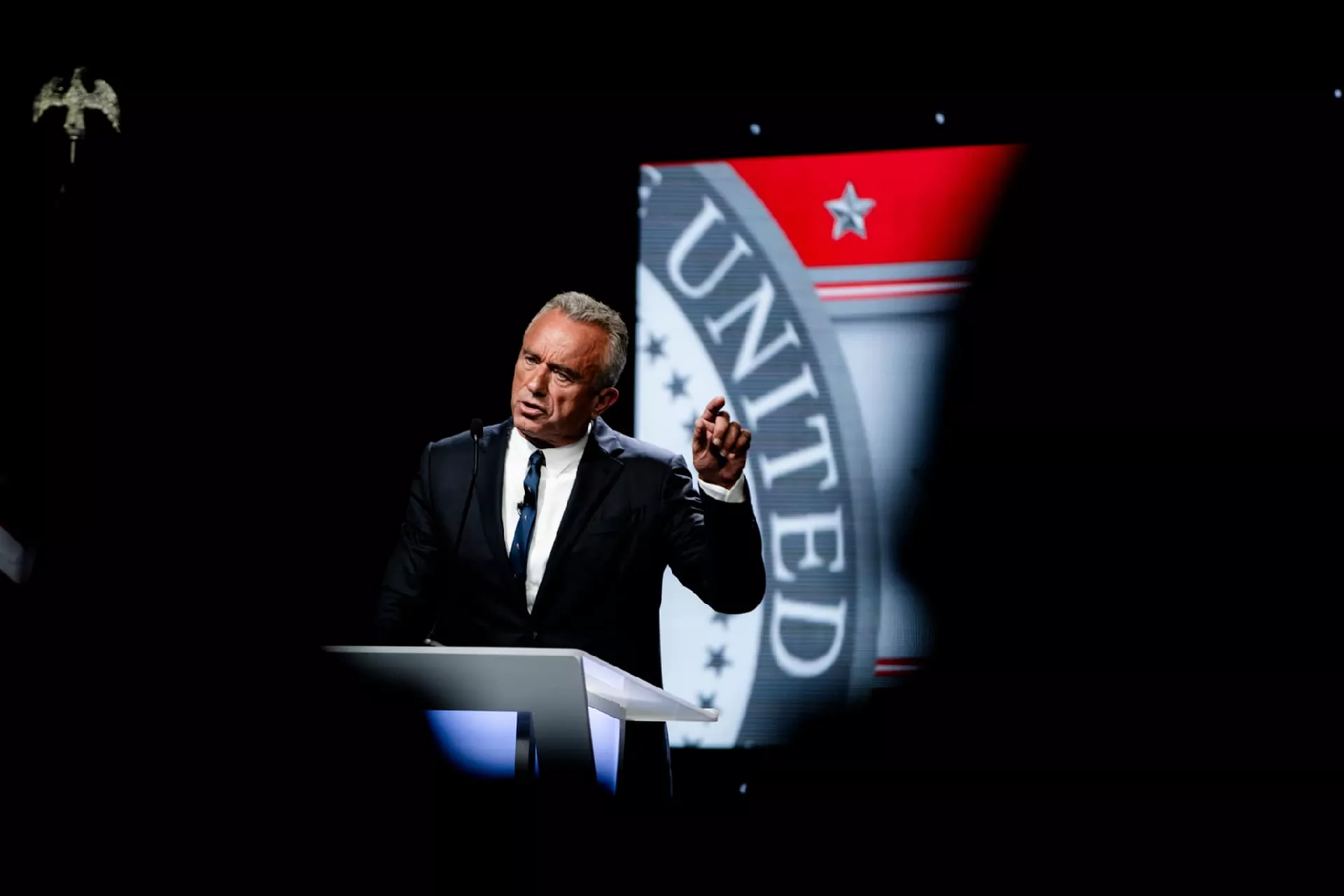
RFK has criticized the government for not taxing the wealthy more and for not fighting for the middle class and for the approximately twenty percent of the population living on the brink of poverty. He calls for affordable housing and education for the poor. He talks about poor healthcare, the cost of living, while money goes to financing wars, and calls for limiting military interventions. He is against financing Ukraine, but not Israel.
This makes him unsuitable for the two main parties, which he calls the "two-headed monster" of American politics. RFK has no allies in the mainstream American media, and he seeks support from those dissatisfied with the work of government institutions, the strong influence of corporations, and those who believe that American democracy and freedom of speech are threatened.
What electoral success does RFK expect?
A devout Catholic who advocates for environmental protection, strengthening the middle class, providing assistance to millions of Americans, who wants to improve democracy and curb corporate power, control gun ownership, reduce the use of fossil fuels... by his description, he would be ideal as a representative of the Democratic Party. What's more, this is also Biden's program.
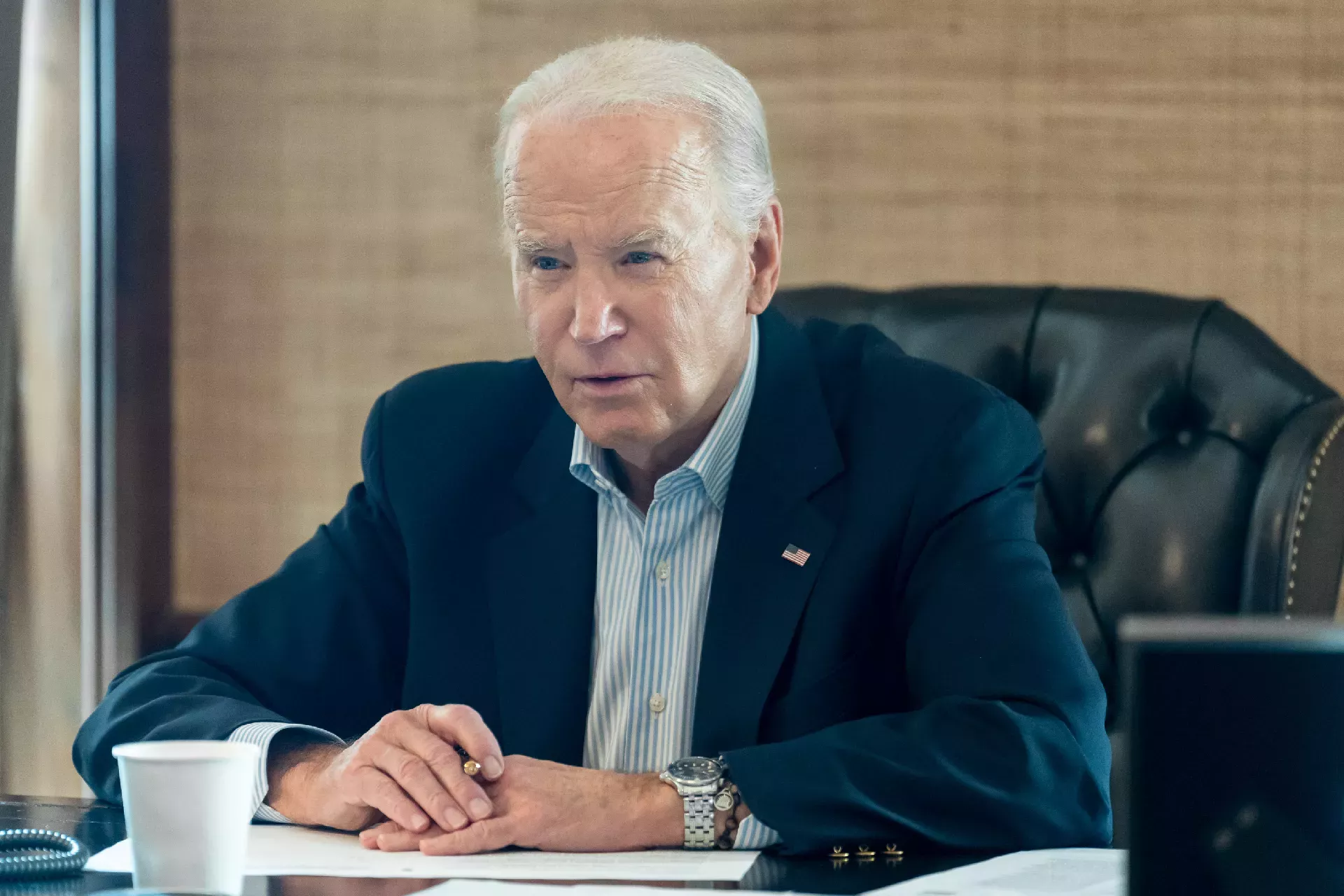
But that is not the case, and it is unlikely to be so even after Kennedy's offer that he is ready to support Biden if he commits to supporting him if polls show he is more popular in September. RFK says Biden cannot beat Trump, but he can with the help of Democrats.
What Republican and Democratic leaders are interested in is whom Kennedy will harm, or from whom he will take votes. Some polls show it could be Biden, and some show it could be Trump. Analysts are particularly focused on how RFK will fare in the so-called "swing states," which in these elections, as in the past, are Michigan, Wisconsin, Pennsylvania, Arizona, Georgia, Nevada, and North Carolina. In the last elections, the difference between Biden and Trump in all these states was within three percent.
Some research suggests that RFK could have a devastating impact on Biden's campaign in Pennsylvania, while he could cost Trump in Michigan. RFK would not win, but he could take up to ten percent of the votes. And if Biden loses Pennsylvania, which carries 19 electoral votes, he will need victories in Arizona, Georgia, Michigan, and Wisconsin. Trump's campaign team is concerned about an NBC News poll that showed that fifteen percent of Trump's supporters would vote for RFK if he were on the ballot, compared to seven percent of Biden's. That's why both Biden's and Trump's camps are trying to portray RFK as an ally of the opposing side.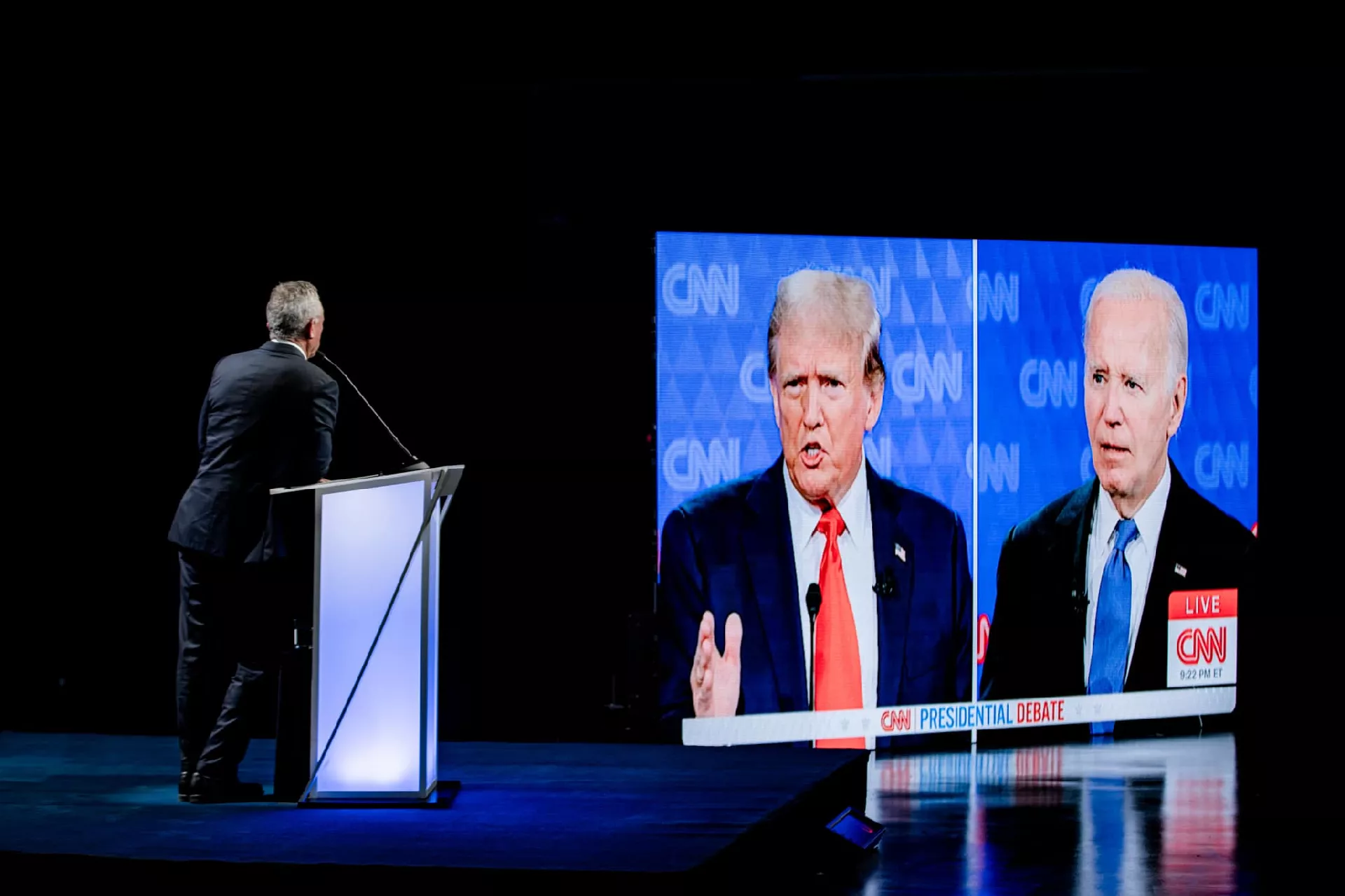
RFK is not the only candidate who will challenge Biden and Trump. Jill Stein, Cornel West, and Chase Oliver will try, and their impact is expected to be minimal. But RFK threatens to have an impact that no third-party candidate has had in decades. He is already being compared to Ross Perot, who received almost twenty percent of the vote in 1992, or Ralph Nader, who in 2000, with less than three percent in Florida, took votes away from Al Gore and thus helped George W. Bush win.
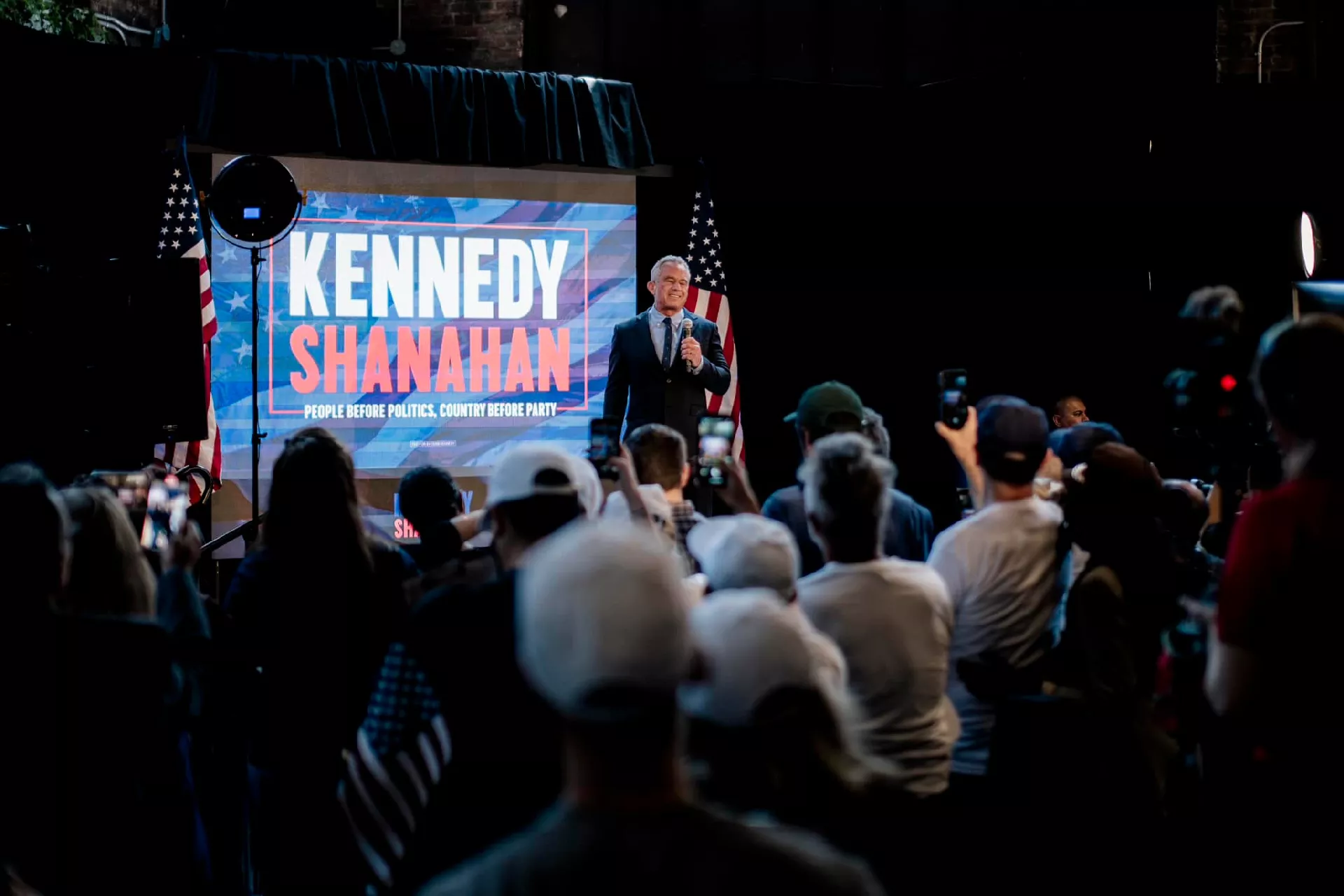
Democrats and Republicans are watching every move made by the seventy-year-old RFK and Nicole Shanahan, who is expected to be his vice president if they win. Shanahan is a Silicon Valley lawyer, born in 1985, and is the ex-wife of Google founder Sergey Brin. She is known to the American public through a foundation that cares for women's reproductive health, and some American media claim she is the wealthiest vice presidential candidate in U.S. history. Her wealth is estimated at hundreds of millions of dollars. She is believed to have invested hundreds of millions of dollars in various organizations and foundations, one of the goals being autism research.
The campaign slogan of this duo is "People Over Politics, Country Over Party," which is a continuation of what they have done in recent years. Although polls suggest they are far from winning, there is no doubt that the continuation of their campaign will have a certain impact on the winner of the November elections, as well as on the political situation in the United States, where some, after the debate between Biden and Trump, are wondering how the political system of the world's largest power, which prides itself on democracy and wants to present itself as a land of opportunity for Americans and all those who come there to stay, has failed.
Komentari (0)
Prijavite se za komentiranje
PrijavaJos nema komentara. Budite prvi!
Minuta
Sve →Iz drugih kategorija

High Representative Not Elected: Germans, French and British Against Americans, New Attempt at End of June

ČOVIĆ WITHOUT MERCY: How Those Who Brought Ademović to Office Created a Political Hell for Him



Sunny Saturday, quite warm



Tragedy in Albanian resort: Two minors drown












