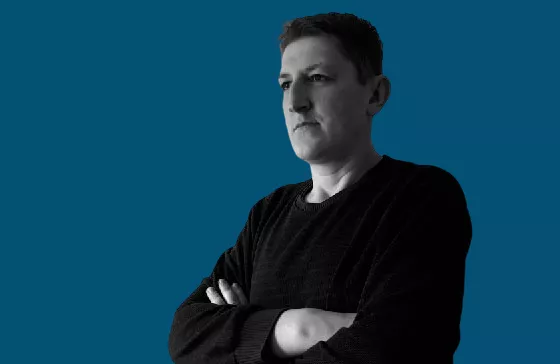
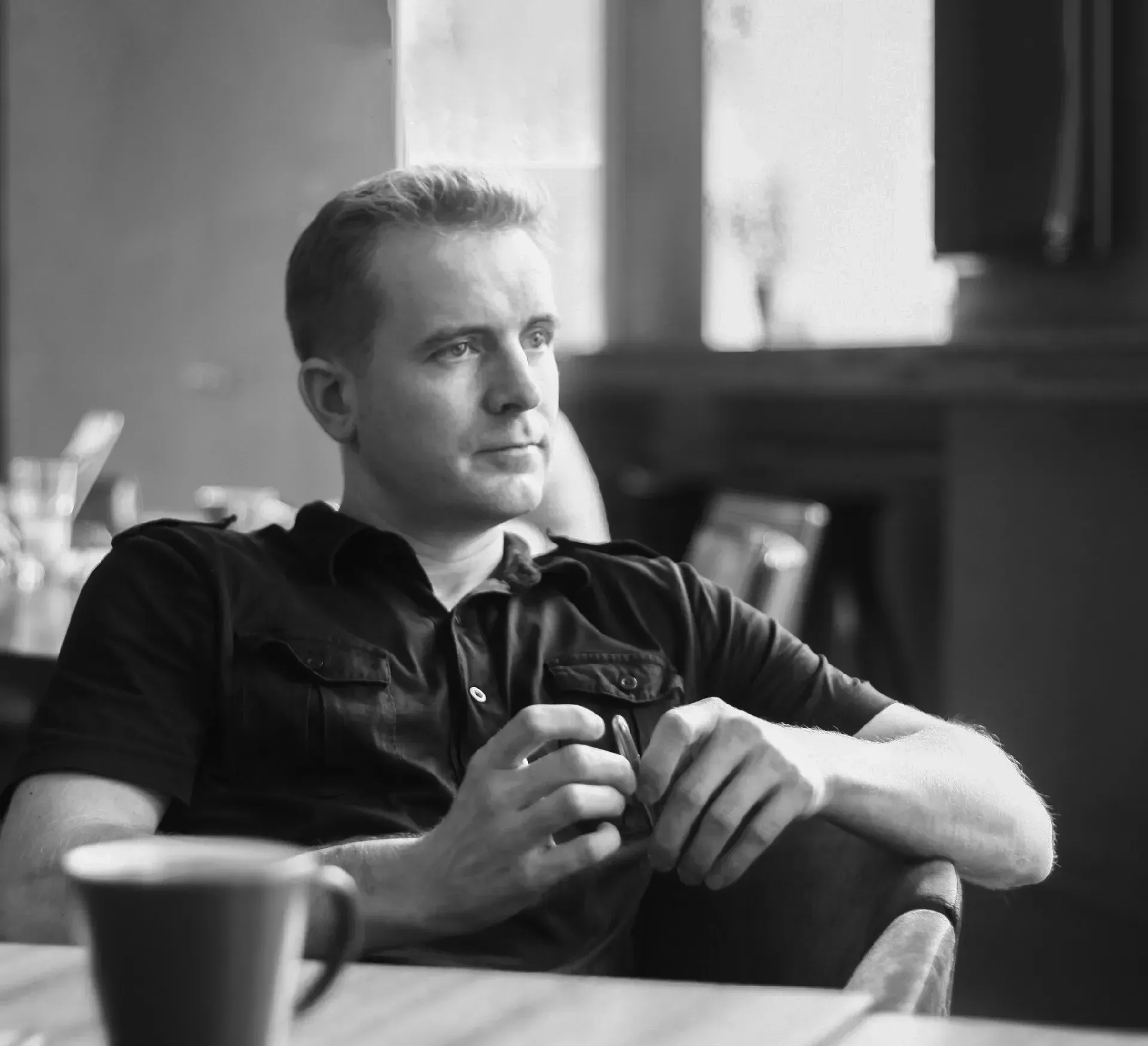
Interview by Rasim Belko
The occasion for the interview you are about to read was the book “Father of One” by the Finnish warrior, doctor, and writer Jani Anttola. It is a novel based on a true story of a married couple from Srebrenica. The novel is currently available in English and can be purchased on the website jani-anttola.com.
Anttola is not an ordinary writer; he is a former member of the French Foreign Legion who escaped from the Legion to fight in the 17th Krajina Brigade of the 7th Corps of the Army of Bosnia and Herzegovina during the aggression against Bosnia and Herzegovina. Before that, he was in Rwanda, and afterwards in Burma, Afghanistan, and the Middle East.
Patria: How and when did you join the Army of the Republic of Bosnia and Herzegovina?
Anttola: I joined the ARBiH in late 1994. At that time, I was in the Foreign Legion and had just returned to France after an operation in Africa. It was considered a humanitarian mission after the genocide that claimed 800,000 lives in Rwanda. There, I witnessed mass abuse of the local population by French troops. I also had other reasons for being disappointed with the Legion. A year earlier, I had spent six months in Sarajevo with the French UNPROFOR. What I saw there was a systematic aggression against the city by Chetniks, and my sympathies were with the Bosniaks. I could no longer justify staying in the Legion, but at the same time, I thought I could help in Bosnia. That is the background and motivation. A friend of mine, a legionnaire from Bosnia, had connections with the Army of RBiH, so the transition was smooth. I escaped from my unit in southern France - I climbed over the wall of my brigade during the night - and six days later, I was in a Bosnian uniform.
Patria: Which brigade were you in? How were you received by the ARBiH fighters?
Anttola: I served in the 17th Krajina Brigade, in the 7th Corps. It was an assault unit that was constantly deployed that year, from the liberation of Vlašić to the campaign around Sarajevo and the offensive towards Krajina. I returned to Finland in the autumn of that year, before the final ceasefire.
I always felt welcome in my unit. They appreciated that a foreigner had come voluntarily when the world acted contrary by imposing an arms embargo. Also, I had no ideological agenda; I was just a regular guy. In any case, I was a bit young, only 20 years old, and some probably thought I was a bit crazy for joining. The Krajina fighters were tough and experienced soldiers. I was trained in the Legion, but in the end, I learned from the Bosniaks. The fighting that year was extremely difficult. Some days were bad, some were better. I have many terrifying memories, but also good stories from that period of my life. Those impressions are still so vivid that it might be difficult to describe them here. I remember a beautiful country, honest people. I remember a lot of unnecessary suffering and loss, and many good people who lost their lives.
Patria: Were there similar missions afterwards? Where did you go after Bosnia?
Anttola: After the war, I studied medicine, but I often returned to some war-affected countries. Bosnia was an extreme experience, and fortunately, I haven't gone through anything so intense since. But I traveled with opposition guerrillas in Burma, worked for the army in Afghanistan, and as a contractor in the Middle East, etc. I think these experiences are reflected in my writing. War and its impact on society and the individual are somehow constant themes in my works.
Patria: What motivated you to write the book “Father of One”?
Anttola: “Father of One” is perhaps a good example of that. It is actually based on a true story. Or I could go so far as to say it is a true story. I met this Bosnian couple who moved to Finland. The husband was a soldier in Srebrenica while his wife was in Germany with their newborn son. What happened to them seemed so interesting that I asked if I could write about it in a book.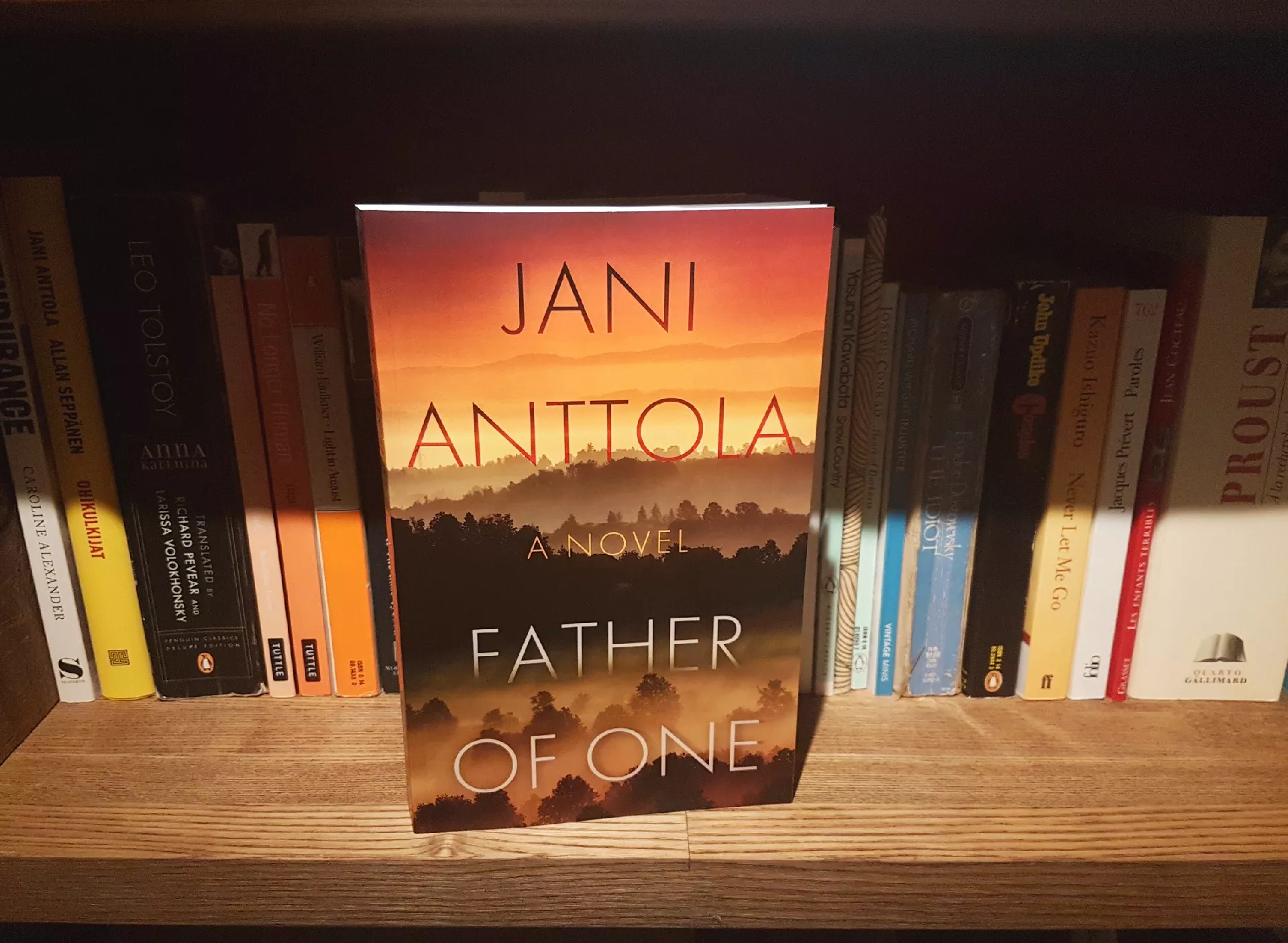
I am glad I did, because now “Father of One” can reach a foreign audience that might otherwise not be interested in or aware of the events in Srebrenica from 1992 to 1995. I wrote it in the form of a literary novel, so of course, parts of the book are fiction - many details, dialogue, some characters, etc. So, the book is not a documentary, and there are intentional inaccuracies. Also, I did not want the reading experience to be as dark as the reality on the ground - I don't think that's possible, even if someone tried. But the main events and actions are real. It might not be an easy book to read because it tells of horrors and injustice. But this couple's story also shows that even in war, there are islands of humanity.
Patria: Have you visited Bosnia since the war?
Anttola: Yes, I have been to Bosnia several times since the war! I still speak a little Bosnian, not very fluently, but I can get by. It is a truly amazing country. It has so much high potential, for example, for tourism. But it frustrates me to realize how certain extremist factions still manage to sabotage its future development. In any case, I hope to have the opportunity to visit Bosnia and Herzegovina again soon.
The book “Father of One” tells the story of Maki, a young Bosnian soldier who survived three years under siege. When enemy forces begin their final assault on his hometown of Srebrenica, he must flee to the hills. But navigating the vast forest is a task regardless of all else: to stay alive and find his young son and wife, he is soon forced into a desperate act.
Set against the arduous backdrop of a raging guerrilla war and the genocide in Srebrenica,
“Father of One” is at its heart a story of profound humanity, compassion, and love. It is an account of one man's desire to reunite his family, torn apart by war, and of bonds unbroken by trauma, sustained by loyalty and perseverance. Writing in a voice that resonates with clarity and authenticity, the author illuminates a dark chapter in Europe's recent history.
Jani Anttola is also the author of the books “The Deserter”, “Ohikulkijat”, and the memoir “Mustat lesket”, in which he recounts the story of a platoon of the Army of RBiH during a summer of war, through the eyes of a young volunteer soldier.
Komentari (0)
Prijavite se za komentiranje
PrijavaJos nema komentara. Budite prvi!
Minuta
Sve →Iz drugih kategorija

High Representative Not Elected: Germans, French and British Against Americans, New Attempt at End of June

ČOVIĆ WITHOUT MERCY: How Those Who Brought Ademović to Office Created a Political Hell for Him



Sunny Saturday, quite warm



Tragedy in Albanian resort: Two minors drown












