
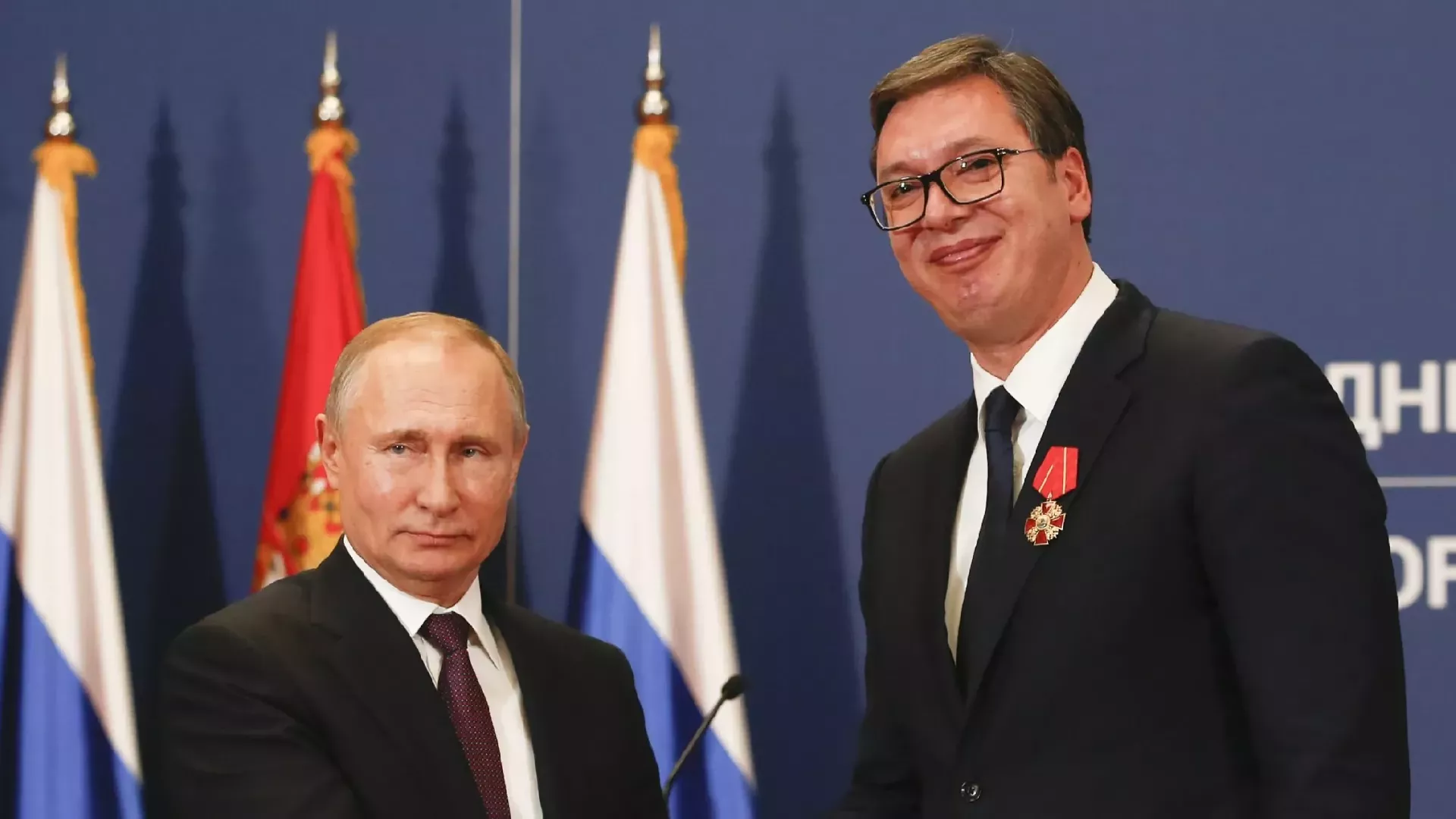
(Patria) - While all eyes are on Ukraine, another conflict is brewing in Europe, according to an analysis for The Wall Street Journal by Ivana Stradner and Mark Montgomery of the Foundation for Defense of Democracies in Washington.
"Three decades after the bloody breakup of Yugoslavia, recent clashes between Serbia and Kosovo have reignited long-simmering ethnic conflicts. As Serbia instigates events on the ground, Moscow fans the flames.
Vladimir Putin has been candid about his desire to weaken NATO and restore Russia to its historical borders. But with Russian forces suffering losses in Ukraine, Moscow has much to gain by fomenting trouble elsewhere on the continent.
A real regional crisis would give the Kremlin an opportunity to gain local influence through arms sales and mediation, while diverting attention from Ukraine and giving Russia leverage over Western leaders. The Western Balkans is a perfect candidate.
Kosovo and Bosnia and Herzegovina are not NATO members. Just as Moscow seeks to dominate what it calls the 'Russian world,' Serbia has long called for the unification of the 'Serbian world.'
In 1998, that concept prompted Serbia to invade Kosovo—a conflict that ended only with NATO military intervention in March 1999, to end Serbian human rights abuses against the ethnic Albanian population.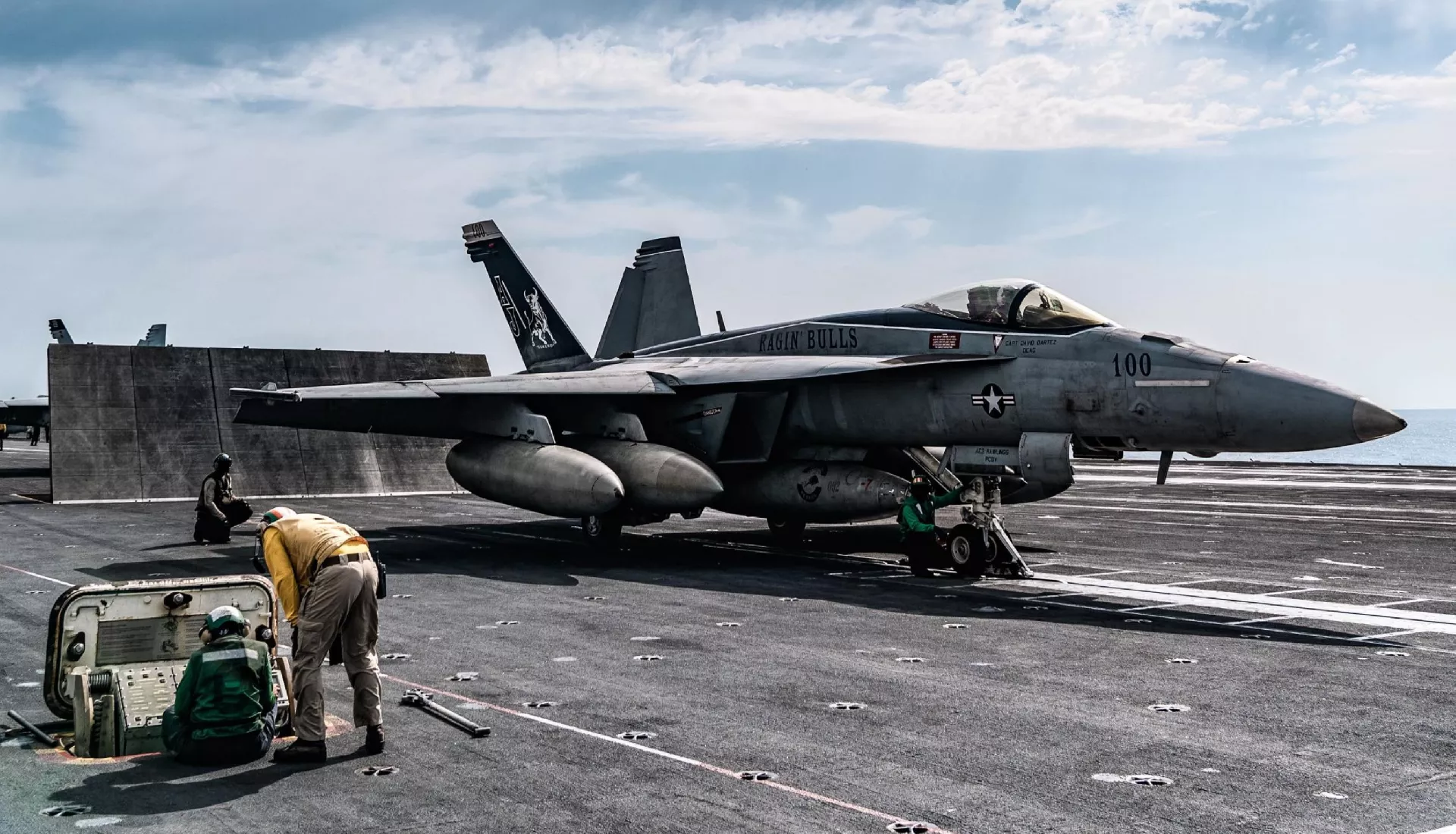
NATO Bomber
Although thousands of NATO troops remain in Kosovo as peacekeepers, tensions are high. Kosovo unilaterally declared independence from Serbia in 2008 and has received recognition from many Western countries, including the United States, but Serbia still does not recognize it.
Serbian President Aleksandar Vučić is consolidating power at home and over the past year, with Russian support, has been pressuring Kosovo. Last May, Serbia put its troops on combat alert after clashes between rioting ethnic Serbs and international peacekeeping forces, in which 90 NATO soldiers were injured.
This was a Kremlin move to use ethnic tensions as a pretext for military action.
In September, Vučić borrowed another page from Putin’s playbook. Thirty heavily armed ethnic Serbs, whom Kosovo claims Serbia equipped and links to Vučić, attacked a police patrol in Kosovo, resulting in four deaths.
The Serbian president denied arming the attackers. Serbia used the incident as a pretext for a massive buildup of heavy weapons and troops on the border with Kosovo in late September.
The White House stated that it was 'very concerned that Serbia might be preparing to launch a military invasion,' a U.S. official later told Time. Such a conflict could easily spill over into neighboring North Macedonia, a NATO member.
Concerns about the escalating crisis prompted Washington to release declassified intelligence about Serbia’s military buildup and the attack on Kosovo police. Days later, Serbia withdrew from the border, but it is clear that Belgrade and Moscow are preparing another campaign of violence and provocations for 2024.
Russia is conducting influence operations with pro-war messaging in Serbia and sending weapons. China is also supplying weapons.
Serbia has pledged to increase military spending this year and continues to host a Russian-run so-called humanitarian center near a main NATO base in Kosovo, which Western officials say serves as a Russian spy hub. Serbia and Russia deny this.
Serbs seem eager for an excuse to act—in February, Serbia declared that Kosovo’s ban on the Serbian dinar as currency was 'ethnic cleansing.'
And this is not the only powder keg in the region.
Bosnia and Herzegovina is also on the verge of collapse. Late last year, Bosnian Serb leader Milorad Dodik, another ally of Russia, threatened that his entity, Republika Srpska, would secede from Bosnia and Herzegovina.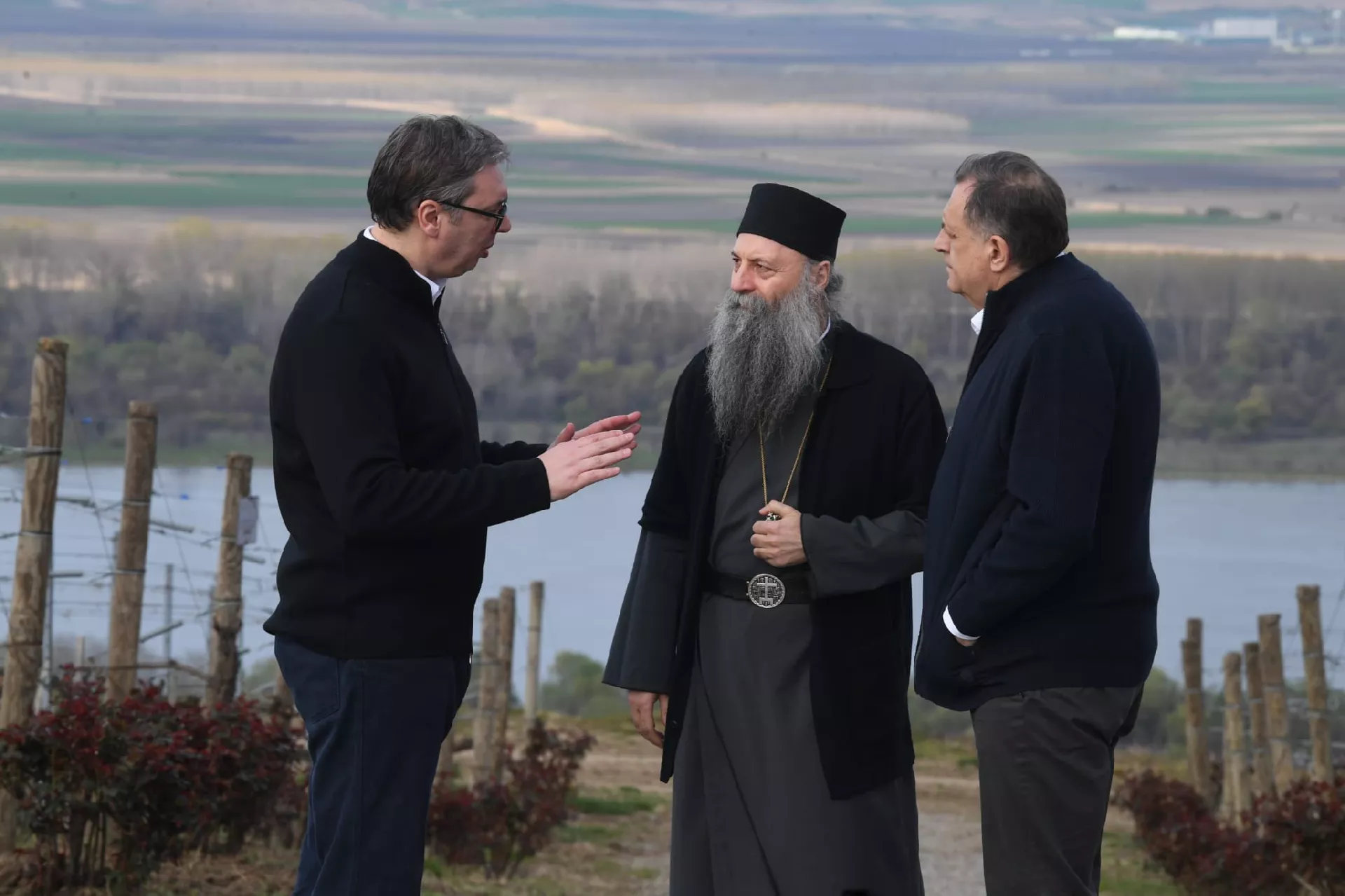
Vučić with Porfirije and Dodik
In the coming months, this could reignite the ethnic violence that killed more than 100,000 people during the Bosnian War of 1992-95.
In a Feb. 5 report, the U.S. Office of the Director of National Intelligence stated that it expects an increased risk of interethnic violence in 2024 in the Western Balkans.
NATO Secretary General Jens Stoltenberg warned late last year that Russia plans to destabilize the Balkans, raising concerns for British Foreign Secretary David Cameron as well.
Western powers must prevent further instability in the Balkans. NATO should redirect military and diplomatic resources and increase military commitments in Kosovo.
A coalition of willing NATO members should now publicly commit to providing military assistance should Serbia or Russia take aggressive steps in the Balkans.
Meanwhile, the United States should continue to impose sanctions on officials undermining security in the Western Balkans, and the EU should join them.
Washington and its allies also need to continue using declassified intelligence to support their diplomacy.
And NATO should deploy counter-hybrid warfare teams to combat Russian and Serbian propaganda campaigns with improved cyber security.
As NATO celebrates its 75th anniversary and Putin suffers increasing losses in Ukraine, Moscow is trying to open a new front in the Balkans. Russia does not need to send its troops to the region.
Russia only needs to rely on Serbia to foment violence and instability, betting that NATO will falter,” wrote Stradner and Montgomery in an analysis translated from English by the newspaper Danas.rs.
Komentari (0)
Prijavite se za komentiranje
PrijavaJos nema komentara. Budite prvi!
Minuta
Sve →Iz drugih kategorija

High Representative Not Elected: Germans, French and British Sabotaged Americans, New Attempt at End of June

ČOVIĆ WITHOUT MERCY: How Those Who Brought Ademović to Office Created a Political Hell for Him



Sunny Saturday, quite warm



Tragedy in Albanian resort: Two minors drown












