By: Armin Sijamić
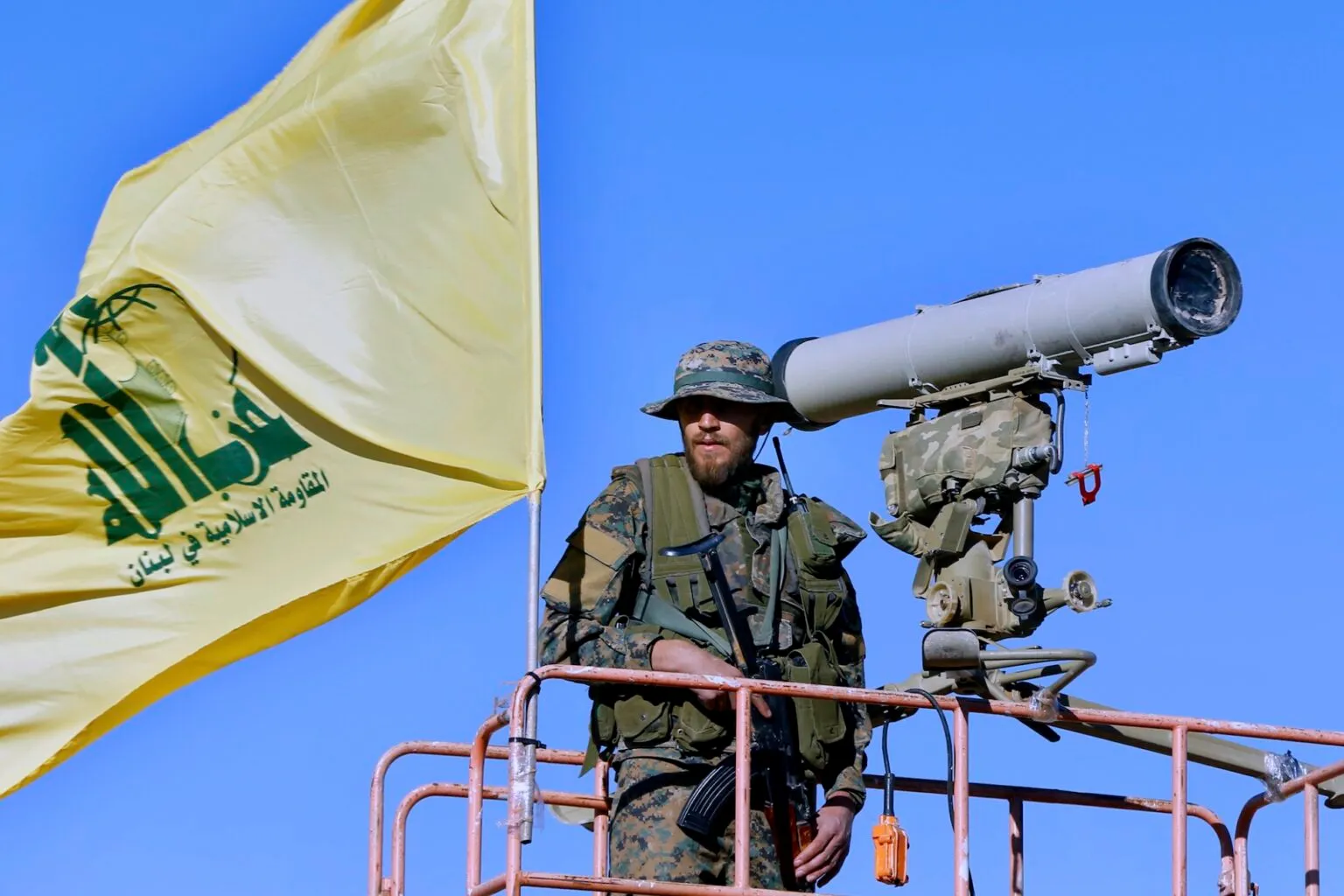
Israeli Prime Minister Benjamin Netanyahu does not want to end the war in Lebanon, which puts the Shiite Hezbollah in a position to fight for survival, devising various means of political and military struggle.
US President Donald Trump has not stopped Israel in its intention to try to permanently change Lebanon. Netanyahu does not want the ceasefire reached with Iran in April to extend to Lebanon, even though Pakistani mediators have confirmed that the agreement also applies to that small Arab country.
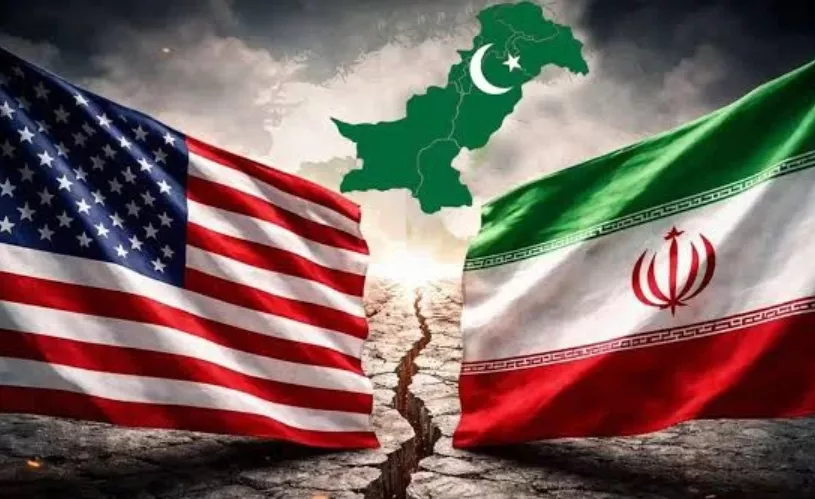
That Iranian diplomatic victory did not hinder Netanyahu's plans, who wants to break Hezbollah and likely treat Lebanon like the West Bank or Syria after the fall of Bashar al-Assad.
Netanyahu, along with the United States and Saudi Arabia, has also engaged in a political battle in Lebanon with the aim of removing Hezbollah from power and disarming it. The Shiites understood this as a threat to their survival and an attempt to expel them from southern Lebanon, which borders Israel.
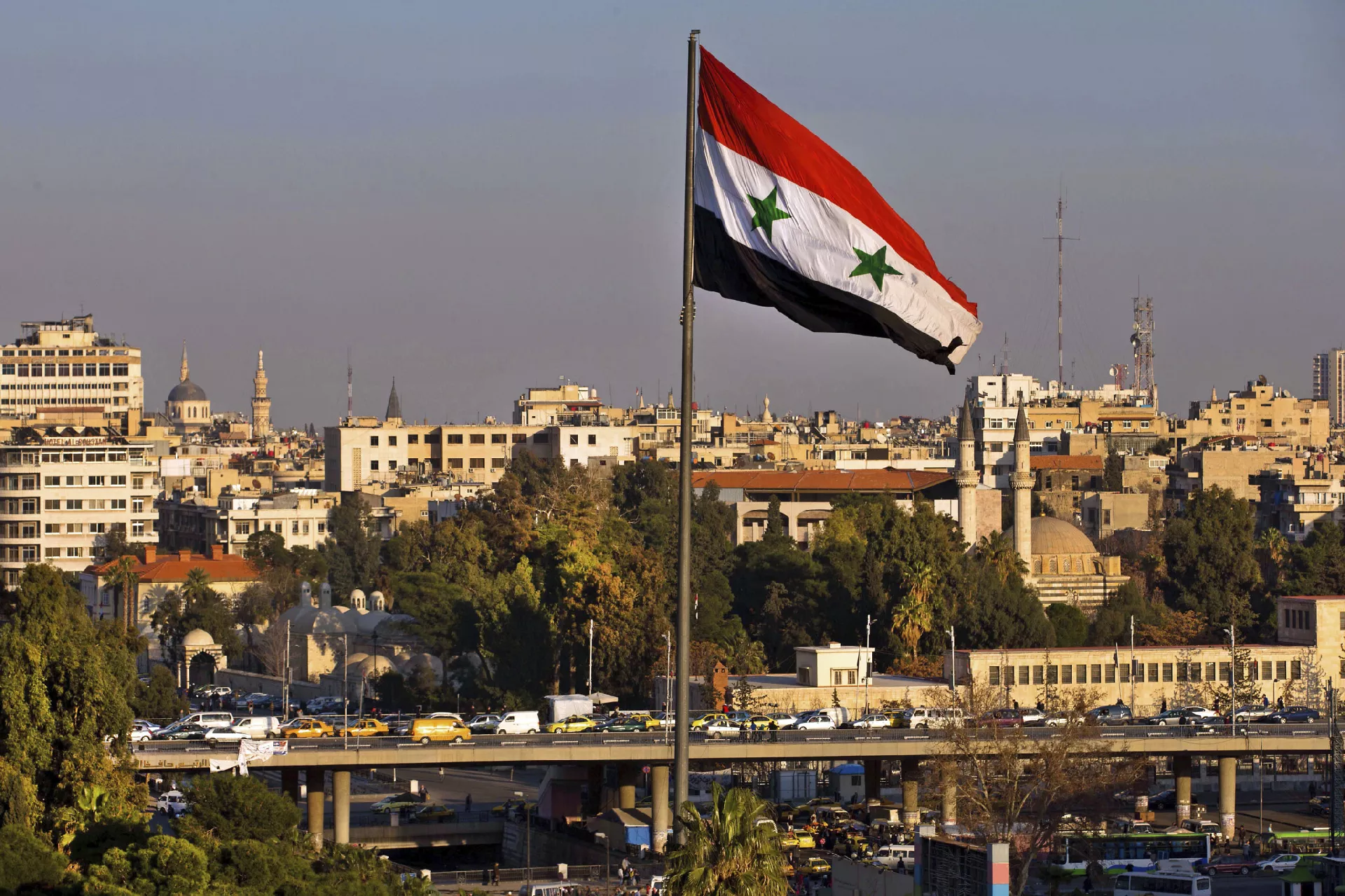
Armed Resistance
Hezbollah's enemies believed that things were going according to plan, as Assad had fallen from power and Iran seemed weakened after last year's exchange of attacks with Israel and the United States.
Then an important turning point occurred for Hezbollah. Aware of the changes in the region, they began to seek a new role for the party and its armed wing.
The good results of the candidates they supported in the local elections are proof of the fear of the Shiite population and their desire for Hezbollah not to lay down its arms, which they believe is a guarantee that they will not suffer the same fate as the Palestinians.
Then the military wing carried out internal reforms. Since they were cut off from the Iraqi Shiite militias by land and further from Iran, they returned to their roots, paying attention to southern Lebanon and the Beqaa Valley, relying on their own resources.
Israel is to blame for the changes in the military plan. After the assassination of Hassan Nasrallah and the Israeli occupation of Lebanese villages and towns along the Israeli border, Hezbollah decentralized its units and began a guerrilla war, just as the armed wing was conceived.

When the United States and Israel attacked Iran on February 28, Hezbollah joined the war and surprised the enemy with the number of rockets and drones it launched. Netanyahu had claimed for months that Hezbollah had used up almost all its arsenal, or that it had been destroyed in Israeli attacks.
Hezbollah then engaged in a frontal conflict with several Israeli divisions, preventing their advance. In forty days of war, Israel managed to push Hezbollah a few kilometers into Lebanon.
A ceasefire in which war is waged
The aforementioned April agreement on a ceasefire does not apply to Lebanon in its entirety. The Israeli army has bombed Lebanon several times, killed numerous civilians, and destroyed entire residential blocks, all under the pretext of targeting sites belonging to "Hezbollah militants".
For those who follow the situation in Lebanon, it is clear that this is the application of Israel's "Dahiya doctrine," which involves punishing the Shiite community for Hezbollah's military successes.
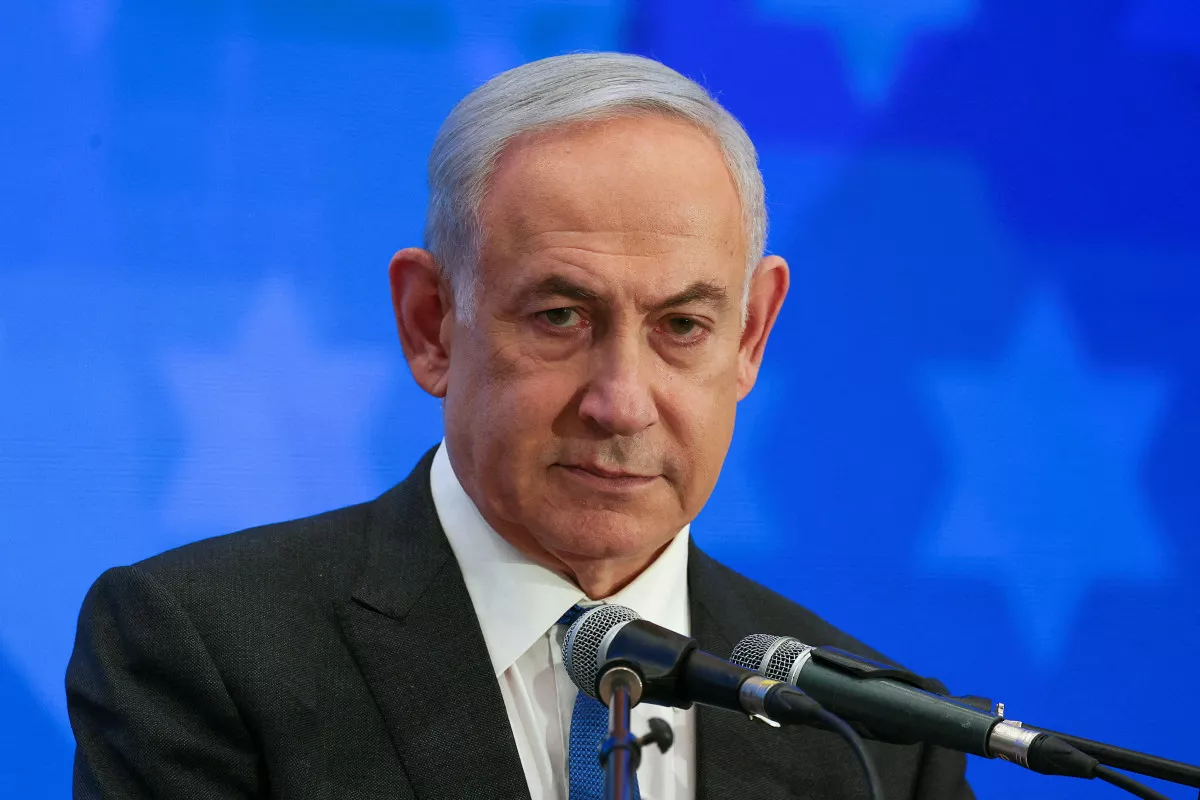
Netanyahu did not stop there. The creation of a "buffer zone" in southern Lebanon means that entire villages are literally removed from the face of the earth using explosives and construction machinery. This is being done even after the ceasefire and after Trump persuaded Netanyahu not to carry out massive bombings of Lebanon.
However, the result for Shiite and some Christian villages in southern Lebanon was the same - the population was prevented from returning to their villages and towns. Due to possible public condemnation in the West, Israel spared some Christian villages from destruction and showed this to the world, while destroying Shiite villages.
Nevertheless, several cases of desecration of Christian symbols by Israeli soldiers have caused a wave of criticism from some circles in the West, forcing some Israeli officials to justify themselves to the public of allied countries.
Hezbollah learns from Ukraine
This situation was not sustainable for Hezbollah in the long run. The Shiites were losing villages and towns, the military wing was taking hits, and the government in Beirut was tightening the noose, and on the orders of the United States and Israel, it is trying to disarm the Shiites, effectively pushing the country into a civil war.
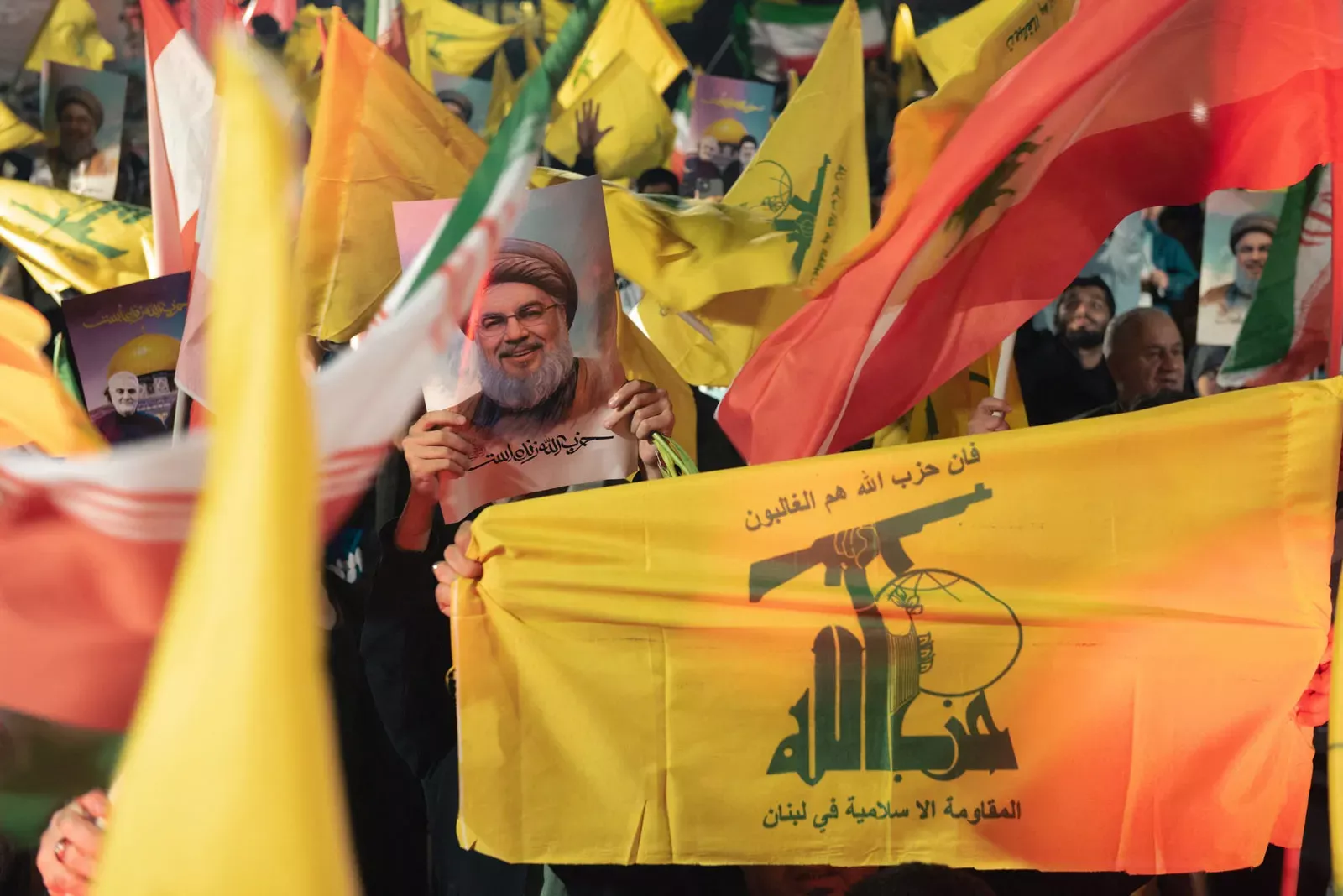
In addition, US-Iranian negotiations are ongoing, and it is difficult to predict whether and when an agreement will be reached.
The aforementioned "forced" decentralization of Hezbollah and return to guerrilla warfare has led them to start using FPV drones with fiber optics against Israeli forces and to achieve enormous successes for much less money and effort than ever before. In recent weeks, Hezbollah has published video material almost every day, and sometimes several times a day, showing drones hitting Israeli tanks, armored vehicles, soldiers, command posts, and air defense systems.
Hezbollah learned this approach from the war in Ukraine, where both sides use all types of drones. However, neither has found an effective response to these drones.
A drone with fiber optics and a first-person view (FPV) camera has proven to be almost unstoppable. Simply put, it is a drone that costs a few hundred dollars and has a camera that allows for precise guidance, and the connection between the operator and the drone via a thin optical cable prevents enemy jamming. The attacker can thus deliver various types of grenades to the desired location, either by dropping them from a height or by directing the drone with explosives at the target.
Cheap and widely available for maximum damage
Such drones have been used in Ukraine since the end of 2024 and are achieving excellent results for the attackers. Numerous video materials show Ukrainian and Russian drones flying over enemy territory and selecting targets, entering trenches and bunkers, chasing moving vehicles or soldiers.
A few days ago, the Russian army used such a drone to lay flowers at the monument to WWII fighters, which is under Ukrainian control. The drone flew to the monument and left flowers, dropping them from a low altitude. The camera on the drone recorded everything, and the video became part of Russian propaganda on social media.
If this is possible on the Ukrainian plains and where attacks are carried out tens of kilometers deep, then it is clear that it is also possible in the hilly, vegetation-rich, and small southern Lebanon, or in populated areas. Hezbollah has been doing this successfully for weeks, diligently recording it with cameras and showing it to the public.
Israel, like Ukraine and Russia, currently has no answer to these attacks. "Logical" solutions like catching these small drones with nets, as is done in the war between Ukraine and Russia, are currently not possible in the Israeli case, because the Israeli army is trying to dig in in Lebanon and transfer forces there, and construction operations are removing existing facilities or building new ones. In other words, mobility does not allow for the application of such solutions. Hezbollah is using this, attacking and inflicting losses.
Some Iranian media report that such attacks on Israeli forces can also be carried out in the West Bank, the Gaza Strip, and elsewhere, sending another message to Washington in their asymmetric warfare. Such attacks on American targets in Iraq were recorded during the US-Israeli war against Iran.
Hezbollah's new tactics have given the group hope that they can push Israel out of Lebanon. Hezbollah operatives work like guerrillas in small groups and do not have to get close to the enemy to inflict a blow that previously required direct combat and risking their own lives.
Israel says the army is developing defense systems against these drones, while Hezbollah continues its attacks and propaganda war with the aim of convincing the enemy that an attack on Lebanon will cost the attacker dearly. Thus, another chapter has been opened in the war of the United States, Israel, and its allies against Iran and its Shiite allies, and drones are once again proving to be very important for modern warfare.
Komentari (0)
Prijavite se za komentiranje
PrijavaJos nema komentara. Budite prvi!
Minuta
Sve →Iz drugih kategorija

Hoher Repräsentant nicht gewählt: Deutsche, Franzosen und Briten gegen Amerikaner, neuer Versuch Ende Juni

ČOVIĆ OHNE GNADE Wie diejenigen, die Ademović ins Amt brachten, ihm eine politische Hölle bereiteten



Sonniger Samstag, es wird recht warm




Tragödie im albanischen Ferienort: Zwei Minderjährige ertrunken