Automatically translated from Bosnian.
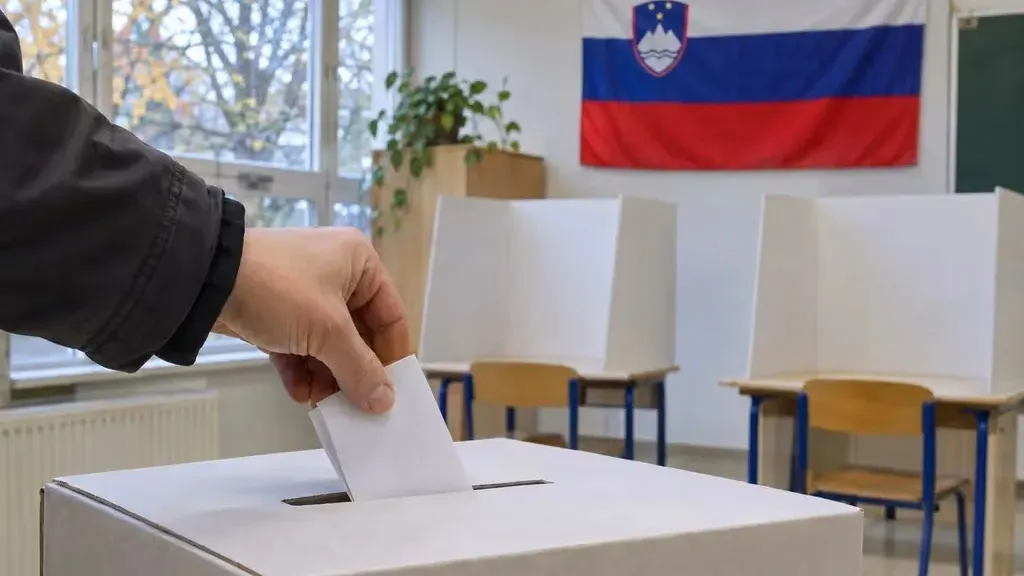
(Patria) - The second round of local elections in Slovenia, to elect officials in 45 of the country’s 212 municipalities, opened at 7 a.m. today at 1,066 polling stations. Mayors and municipal chiefs in the remaining municipalities were elected on November 15.
The elections in Ljubljana are attracting particular public attention, as the city will decide its mayor in a runoff for the first time since 2002.
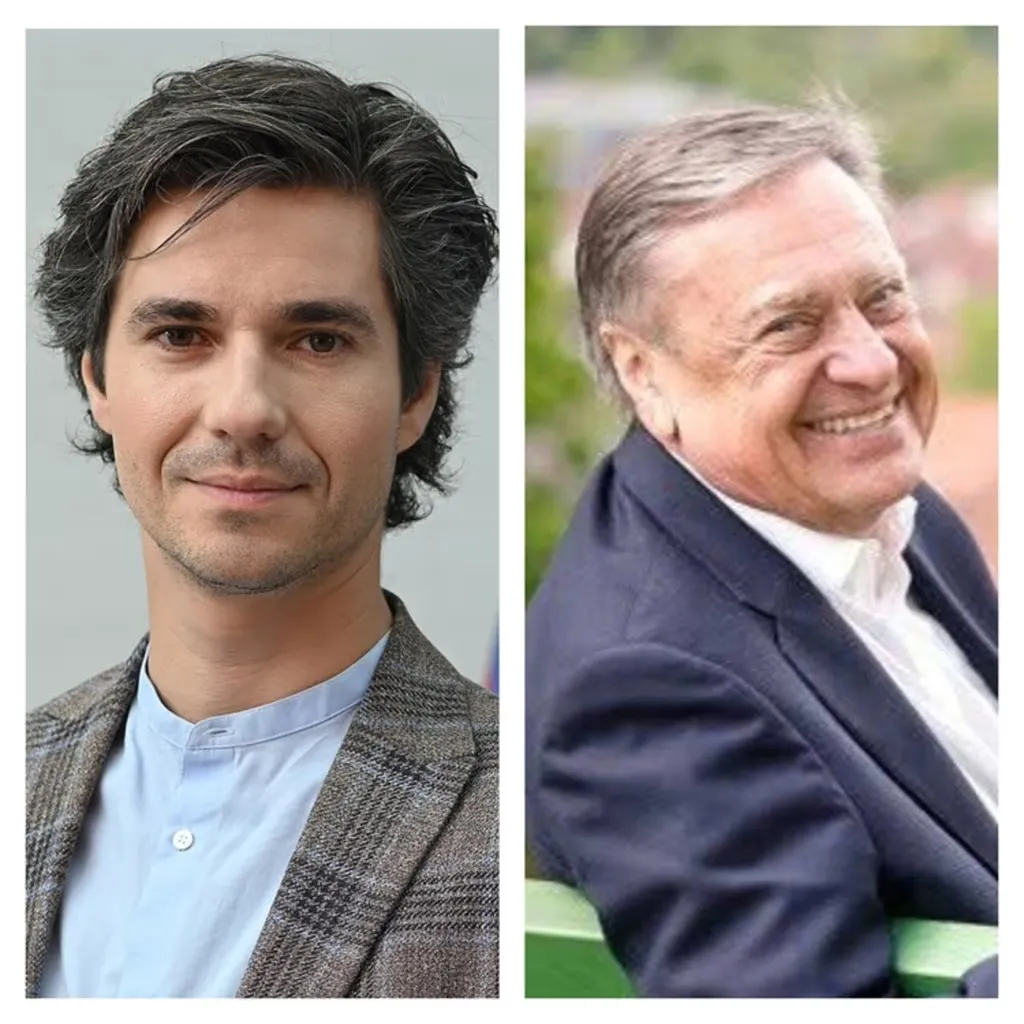
Longtime mayor Zoran Janković, who has led Slovenia’s capital since 2006, has won every term in the first round so far.
This time, among 14 candidates, he failed to secure a majority of the vote. His challenger is Luka Mesec, one of the most prominent politicians in the Left party.
A total of 205,470 people are eligible to vote in Ljubljana, where 256 polling stations are available.
Maribor and Kranj are certain to get new mayors today.
Maribor’s incumbent mayor, Saša Arsenovič, did not run for a new term, while Kranj Mayor Matjaž Rakovec was eliminated in the first round.
Matevž Frangež and Bor Greiner are competing for the mayor’s office in Maribor, while Janez Černe and Irena Dolenc are vying for it in Kranj.
An interesting political situation is unfolding on Slovenia’s coast, where a father and son are simultaneously competing for mayoral offices in two cities.
Boris Popovič, formerly the longtime mayor of Koper, is running in Izola, where his challenger is Daniel Radešič. His son, Nik Popovič, is seeking to take over the administration of Koper from incumbent mayor Aleš Bržan.
Samo Turel and Bogdan Česnik will face off in Nova Gorica, while incumbent mayor Nuška Gajšek is seeking a new term in Ptuj, with Janko Širc as her challenger.
Just 20 of the 90 candidates in the second round are women. In the first round, 24 women were elected to lead Slovenian municipalities.
This year’s local elections are also particularly significant because of legislative changes that revoked the right to vote from citizens of non-EU countries who hold permanent residency in Slovenia.
This has also deprived citizens of Bosnia and Herzegovina who do not hold Slovenian or other EU citizenship of the right to participate in local elections, which they had enjoyed since 2002.
These are Slovenia’s ninth local elections since independence. The first were held in December 1994, when Slovenia had 147 municipalities.
Polling stations will close at 7 p.m., and the State Election Commission is expected to publish the first preliminary results after 7:30 p.m.
Komentari (0)
Prijavite se za komentiranje
PrijavaJos nema komentara. Budite prvi!
Minuta
Sve →Iz drugih kategorija

Ramo Isak did not appoint himself: Konaković and the Troika remain silent as the institutions of the Federation of Bosnia and Herzegovina are mocked