
By Armin Sijamić
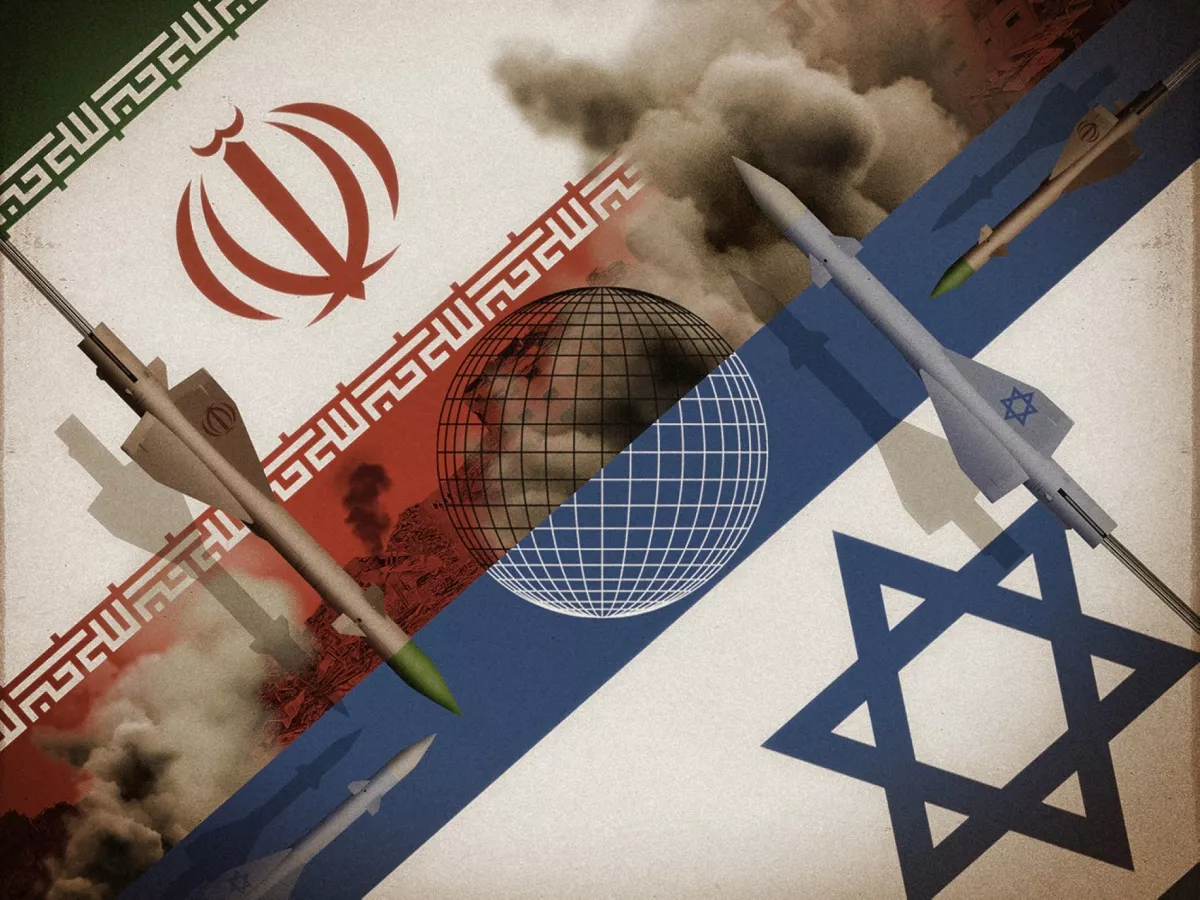
On October 1st, Iran attacked Israel again, an event that had been looming for months. Everyone believed an Iranian attack would happen, but few could have predicted when. The attack came at a time when Israel launched an invasion of Lebanon, raising the question of whether the war that began on October 7th with Hamas's attack would soon end, or if escalation would follow.
In recent months, important events in the Middle East have been unfolding at such a rapid pace that it is sometimes difficult to keep track of the chronology. This becomes even more challenging when one starts following the "response to the response" of the parties involved in the conflict. As the war between Israel and the Lebanese Shiite Hezbollah intensifies, events are intertwining, and it is clear that from this point, the conflict could escalate into a regional one, involving numerous countries, or simply subside into another agreement far from public view.
Israel's liquidation of opponents across the region had to elicit a response. On the other hand, those who defend Israel's actions say it is expected and reiterate the stance of Tel Aviv officials that no blow against the Jewish state will go unpunished.
However, two liquidations could not go unanswered. Iran was particularly hurt by the liquidation of the head of the political bureau of Palestinian Hamas, Ismail Haniyeh, in Tehran, and the secretary-general of Hezbollah, Hassan Nasrallah, in Beirut. Haniyeh's liquidation was a slap in the face to Iranian security services, and with Nasrallah's liquidation, they lost one of their closest allies.
Compared to Iran's April attack on Israel, this week's attack was more serious and effective. Firstly, the missile attack was not preceded by media and other preparations, giving opponents time to prepare. Secondly, better missiles were used, some of Iran's best, including hypersonic ones, which hit targets in about seven minutes. Around two hundred missiles were launched. Military airfields and bases, the headquarters of the Mossad secret service, and soldiers on the Lebanese border were targeted...
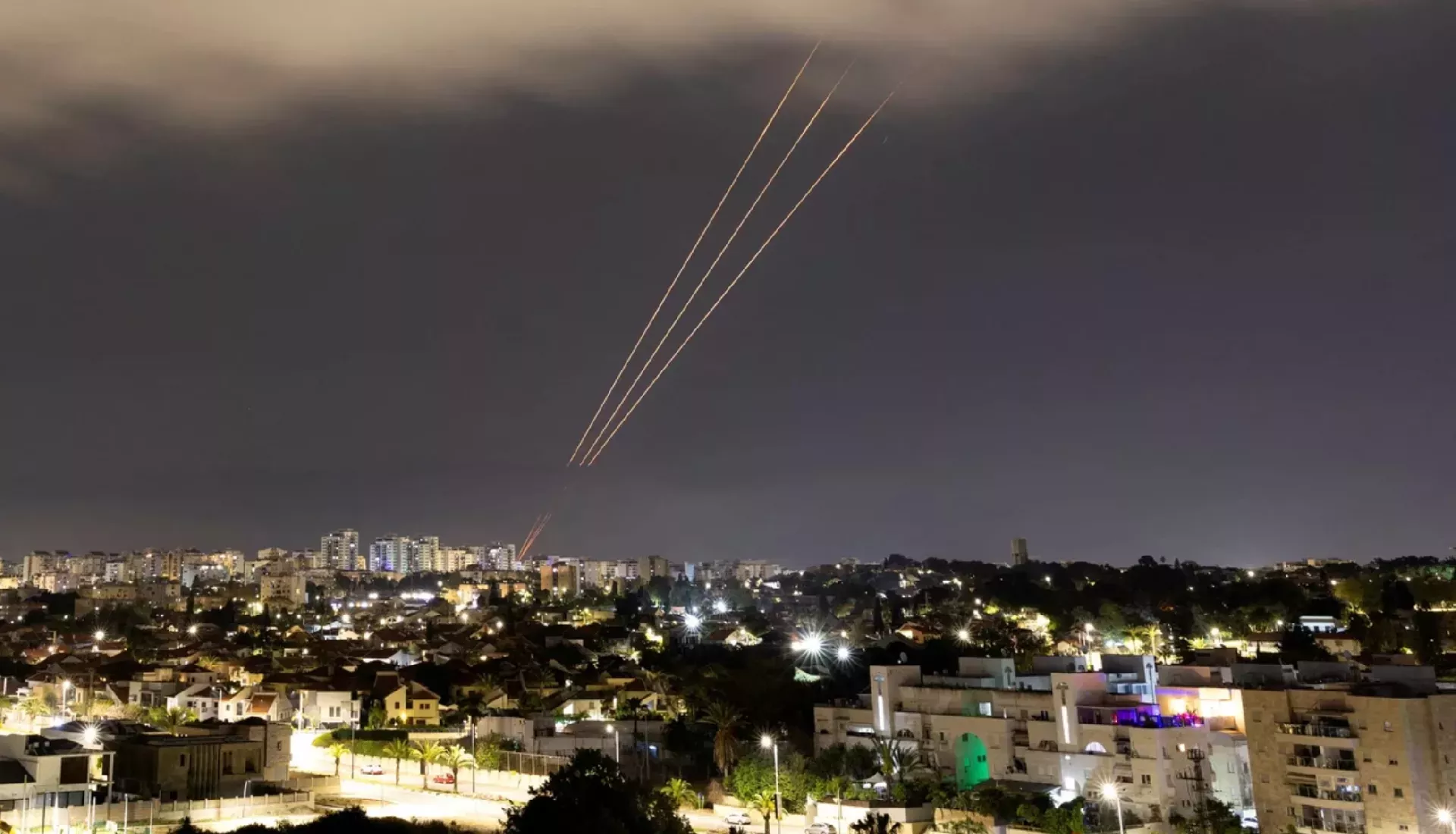
Iran can be satisfied with the performance of its weapons, although Israel and the United States claim the attack did not cause serious damage. Footage taken by citizens of Palestine and Israel and then shared on social media shows Iranian missiles hitting the ground.
The reactions from Tel Aviv and Washington show that the attack was successful for Iran. Prime Minister Benjamin Netanyahu announced revenge, and Washington a strong response, after stating there was no damage and that the only victim was a Palestinian civilian. If no significant damage was inflicted, why then a response that could lead to new attacks and the spread of war throughout the Middle East?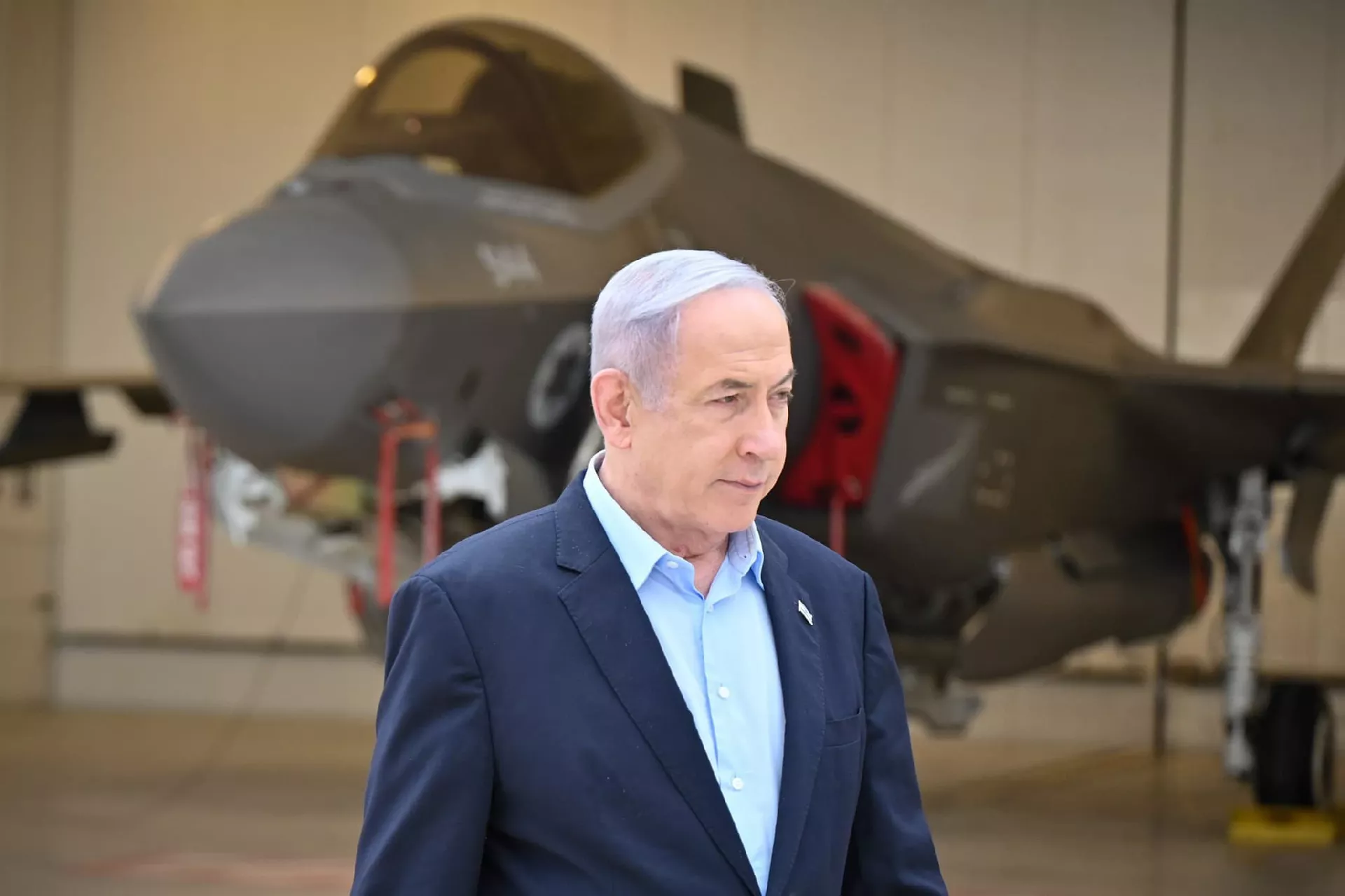
Netanyahu announced revenge
Escalation or agreement after Iranian success?
The Iranian attack on Israel is a major blow to Netanyahu and circles in Washington. Billions of dollars invested in American and Israeli weapons have not prevented a country under sanctions for decades from striking. The seriousness of the situation is also evident in the fact that Israel was again defended by the US, European powers, and Arab neighbors. This was unimaginable just a few years ago, and Israel had spent decades building an image of a technologically superior power in the Middle East.
For strategists in Tehran, this is a more than favorable development at the moment, as they have signaled to the world that Israel can no longer control the Middle East as it did before. Moreover, as time goes on, it is becoming more vulnerable because its rivals are stronger. Perhaps someone, for example, in Cairo is now considering what a war against the huge Egyptian army would look like if Israel has so many problems with Hamas and Hezbollah.
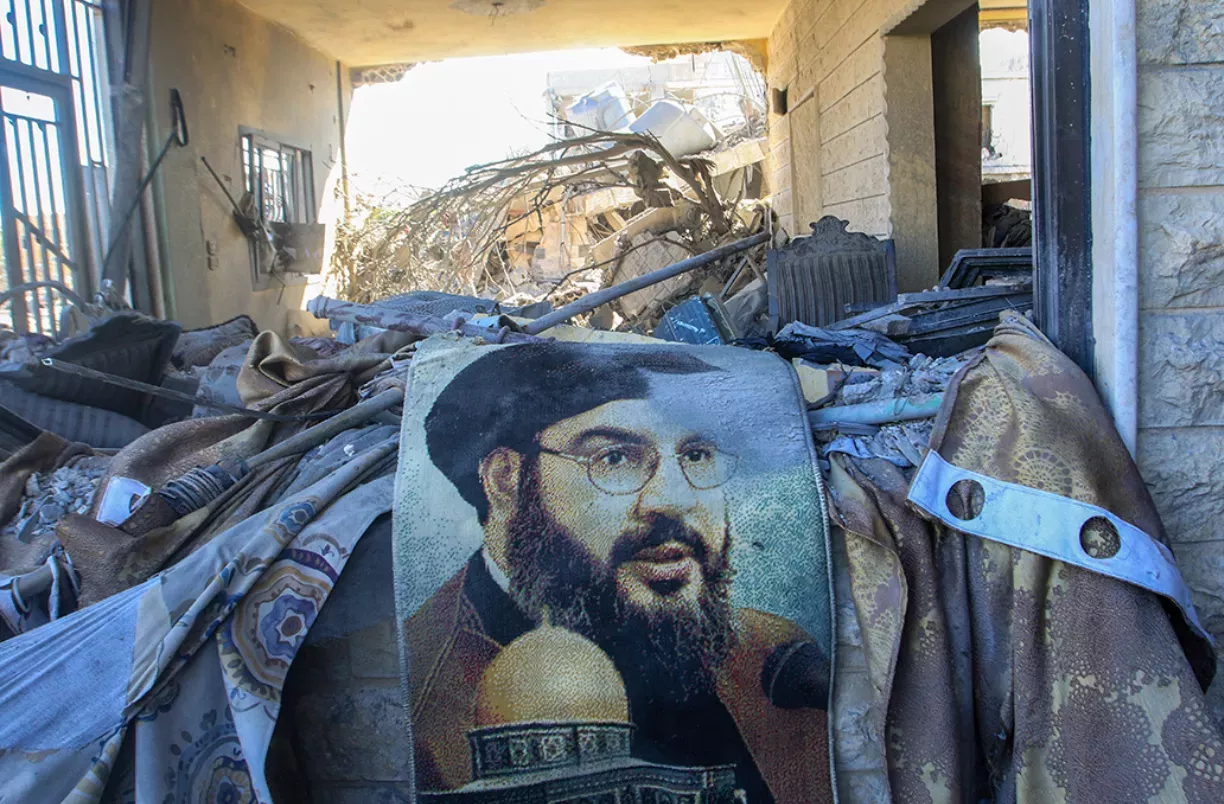
Some media outlets claim that Iran informed Washington and Moscow that it would only attack military targets. Since Israel and the US claim there were no casualties in Israel, including civilians, this is in a way an acknowledgment to Iran that it is undertaking different types of operations than those of Israel in the Gaza Strip and Lebanon, where many civilians are killed. The last criticism of this kind was received by Israel yesterday from the EU's High Representative for Foreign Affairs and Security Policy, Josep Borrell, due to the deaths of healthcare workers in Beirut, which, according to him, is a "violation of international humanitarian law" and which he condemned.
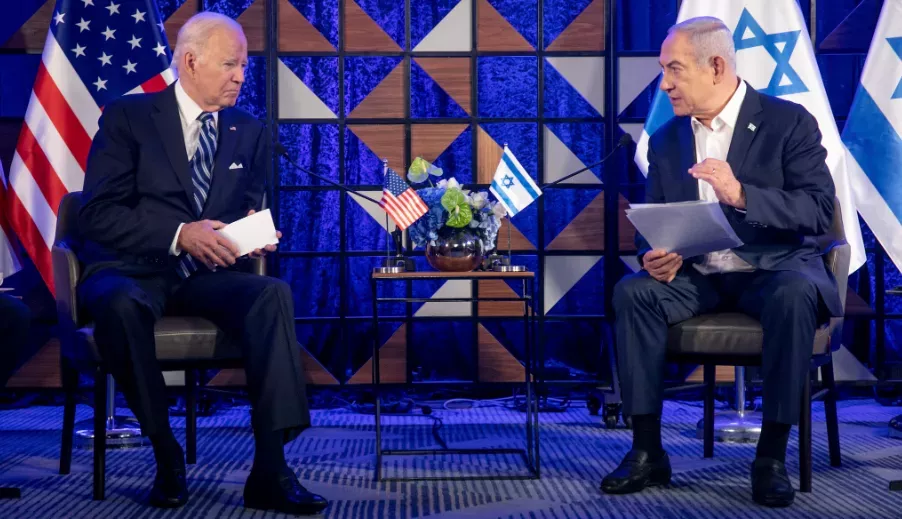
But Netanyahu does not want to stop, and it is clear that his main goal in the war in the Gaza Strip is escalation that would draw the US into a war against Iran, as evidenced by the war with Hezbollah. This war, according to claims from Lebanon, will end when the war in the Gaza Strip stops. The US has been trying for months to persuade Netanyahu to make peace, but he refuses under various pretexts, or often with clear opposition. Therefore, peace is within reach, and everything depends on Netanyahu and his allies in the West.
On the night after the Iranian attack, Netanyahu promised revenge, and US National Security Advisor Jake Sullivan said Tehran would face "severe consequences." However, there is a difference between these two stances. Netanyahu's stance, many believe, includes the option of a military response, while the US response could be in the form of sanctions. Washington currently seems to have no answer, or rather, is considering it, which is not surprising given that elections are in that country next month.
Those who believe Netanyahu will respond militarily point out that Israel could target Iranian leaders, nuclear facilities, the oil industry, or Iranian military locations, including the sites from which missiles were launched at Israel. There is no doubt that Israel has the capability to carry out some of these operations, but in such an attack, if it were only a one-off like Iran's, only a part of what is located in this vast country would be hit. Iran, like other countries, does not keep everything in one place.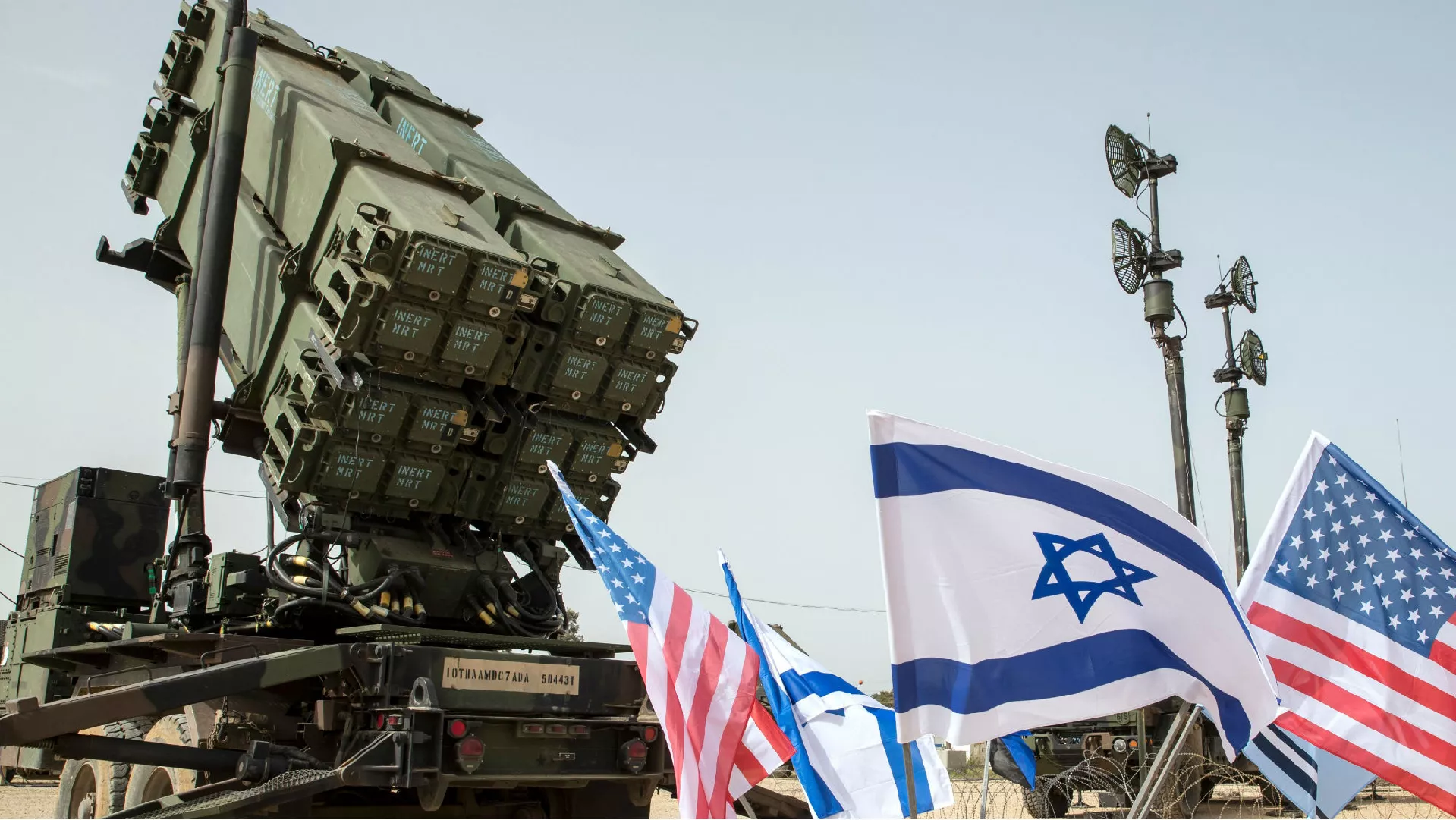
In a possible operation against Iran, the main question is the behavior of the United States. Iran's second attack on Israel showed that Tehran has ways to fight Israel, even when its allies come to its aid. Therefore, the main question is whether the US will enter into a war against Iran, which neither Washington nor Tehran wants, or whether the world's largest power will attack Iran on behalf of Israel.
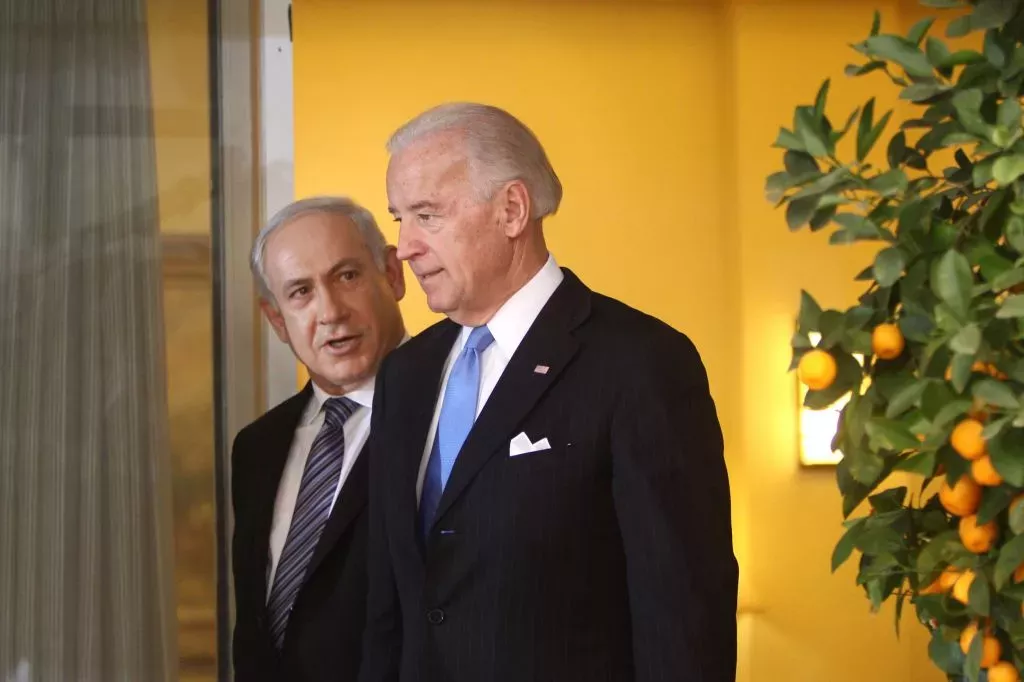
The US has the capability to carry out such an operation. But, everyone has in mind the American experience of wars in Afghanistan and Iraq. After initial successes, the enemy was not defeated and continued to fight. Iran is many times more powerful than Afghanistan and Iraq, which is why George W. Bush did not attack it when he led the "war on terror" and why Barack Obama's administration, in which Joseph Biden was Vice President, negotiated with Tehran.
All actors involved in this crisis are calling for negotiations and de-escalation, except for Netanyahu's government. Lebanese Foreign Minister Abdallah Bou told CNN that Nasrallah had accepted Biden's and other countries' proposal for a three-week ceasefire and that they were informed of this before he was killed. On Wednesday, Israeli Foreign Minister Israel Katz declared UN Secretary-General Antonio Guterres unwelcome and threatened him with arrest if he came to Israel, because he did not condemn the Iranian attack. It is clear that Netanyahu is not giving up on war, and only Washington can dissuade him, which it has been trying to do unsuccessfully for eleven months.
Komentari (0)
Prijavite se za komentiranje
PrijavaJos nema komentara. Budite prvi!
Minuta
Sve →Iz drugih kategorija

High Representative Not Elected: Germans, French and British Against Americans, New Attempt at End of June

ČOVIĆ WITHOUT MERCY: How Those Who Brought Ademović to Office Created a Political Hell for Him



Sunny Saturday, quite warm



Tragedy in Albanian resort: Two minors drown












