Automatically translated from Bosnian.
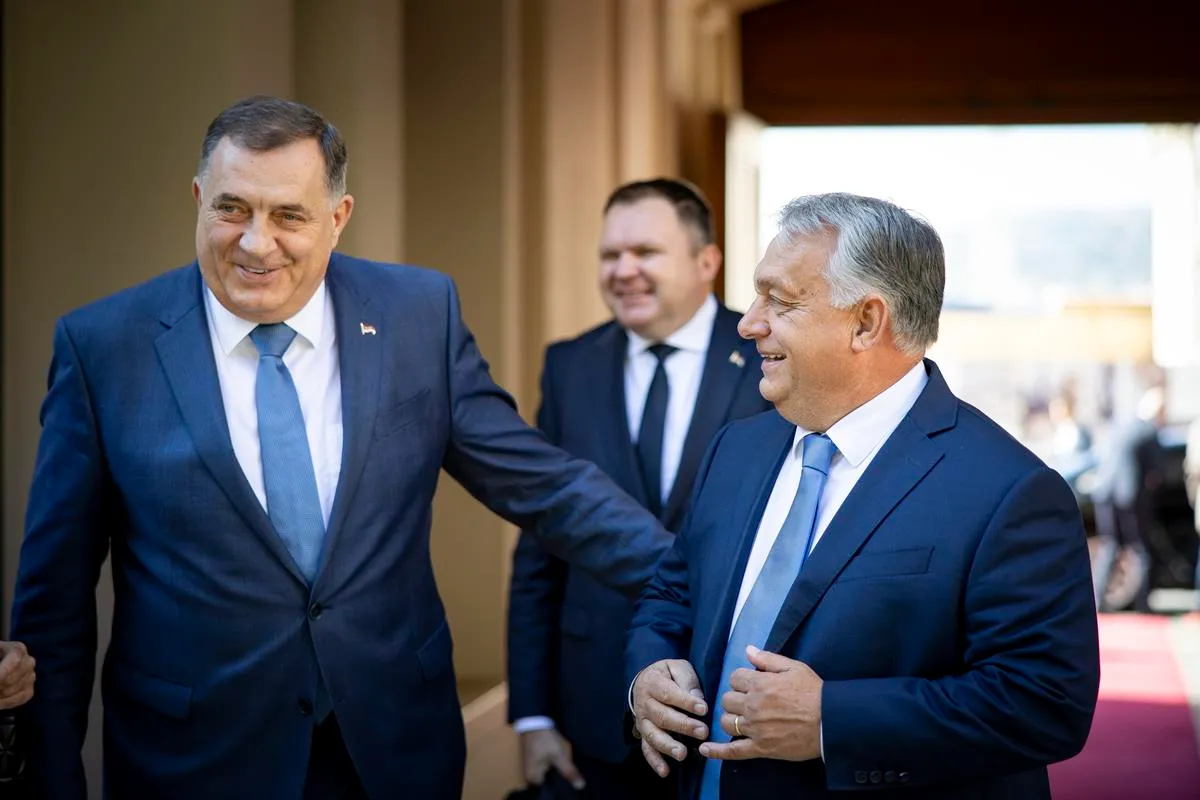
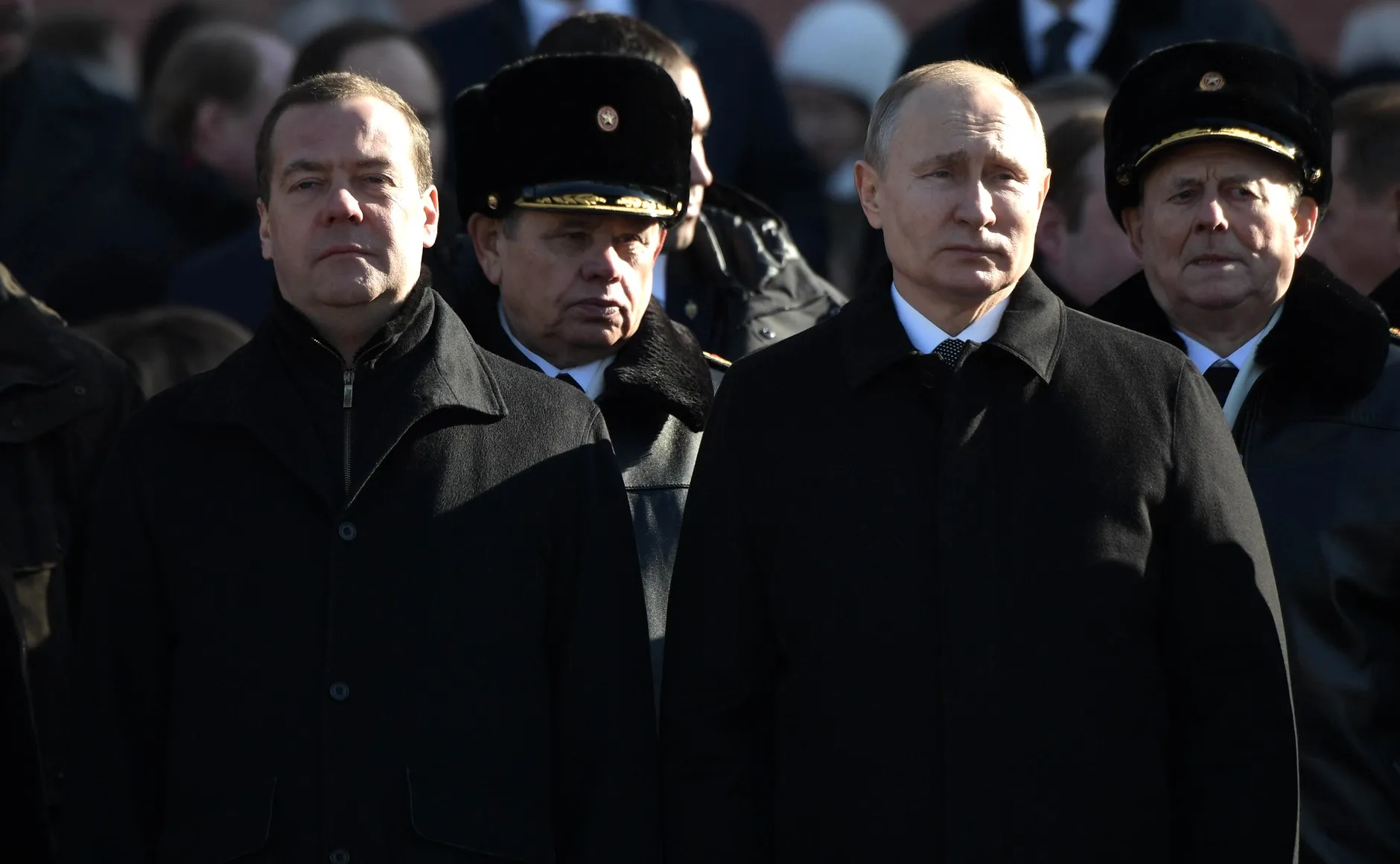
(Patria) - Transparency International in BiH has released the documentary film “Zagledani / Példaképek,” which traces the flow of money, loans and Hungarian projects in Republika Srpska at a time when the friendship between Milorad Dodik and Viktor Orbán was at its peak.
The film opens by examining loans from Hungary’s Exim Bank to Republika Srpska. Interviewees from Hungary and BiH explain how, in return, Orbán and the economic circle around him gained access to certain projects in RS on favorable terms and without competition. They add that the high level of corruption in BiH and neighboring countries provided numerous opportunities for people close to Viktor Orbán. The film also notes that, under its legal status, Hungary’s Exim Bank was not even allowed to lend to Republika Srpska, and that a similar loan granted to North Macedonia is already under investigation launched by the new prime minister, Péter Magyar.
Solar power plant in Trebinje
The case the film focuses on in particular is the Trebinje 1 solar power plant, which ultimately ended up in the hands of Hungarian investors without a public tender or market competition. The concession was awarded to Elektroprivreda RS as a strategic company, then transferred to a newly established firm in which the Hungarians received a 70% stake—initially Lugos Renewables and, after it exited the project, Mayer NRG. The team searched for the company in Budapest, but its name could not be found even on the intercom at its official registered address.
A system that collapsed
The film was shot during a period of major political changes in Hungary, where Orbán’s system of government collapsed under the weight of corruption. Testimonies about corruption scandals under Orbán’s government are presented, and what is particularly interesting is that the cases described bear an extraordinary resemblance to what has been happening in BiH for years.
Particular attention is paid to the similarities and differences between Dodik’s and Orbán’s governing styles, and to their attempts to suppress and restrict criticism in the same way.
The film features Andrea Schmidt, Gergely Brückner, Siniša Vukelić, Csaba Lukács, Srđan Blagovčanin, Miklós Ligeti, Damjan Ožegović, Szilveszter Varga, Ljupko Mišeljić and Ferenc Németh.
Komentari (0)
Prijavite se za komentiranje
PrijavaJos nema komentara. Budite prvi!
Minuta
Sve →Iz drugih kategorija
Documentary film 'Gazing': How Orbán’s Hungary became a model for the authorities in RS and who profits from it

While writing for a system born of genocide, Veljko Zeljković sees a problem with two Sarajevo streets
Cloudy and rainy in Bosnia and Herzegovina; parts of Krajina could even turn white