
By Armin Sijamić
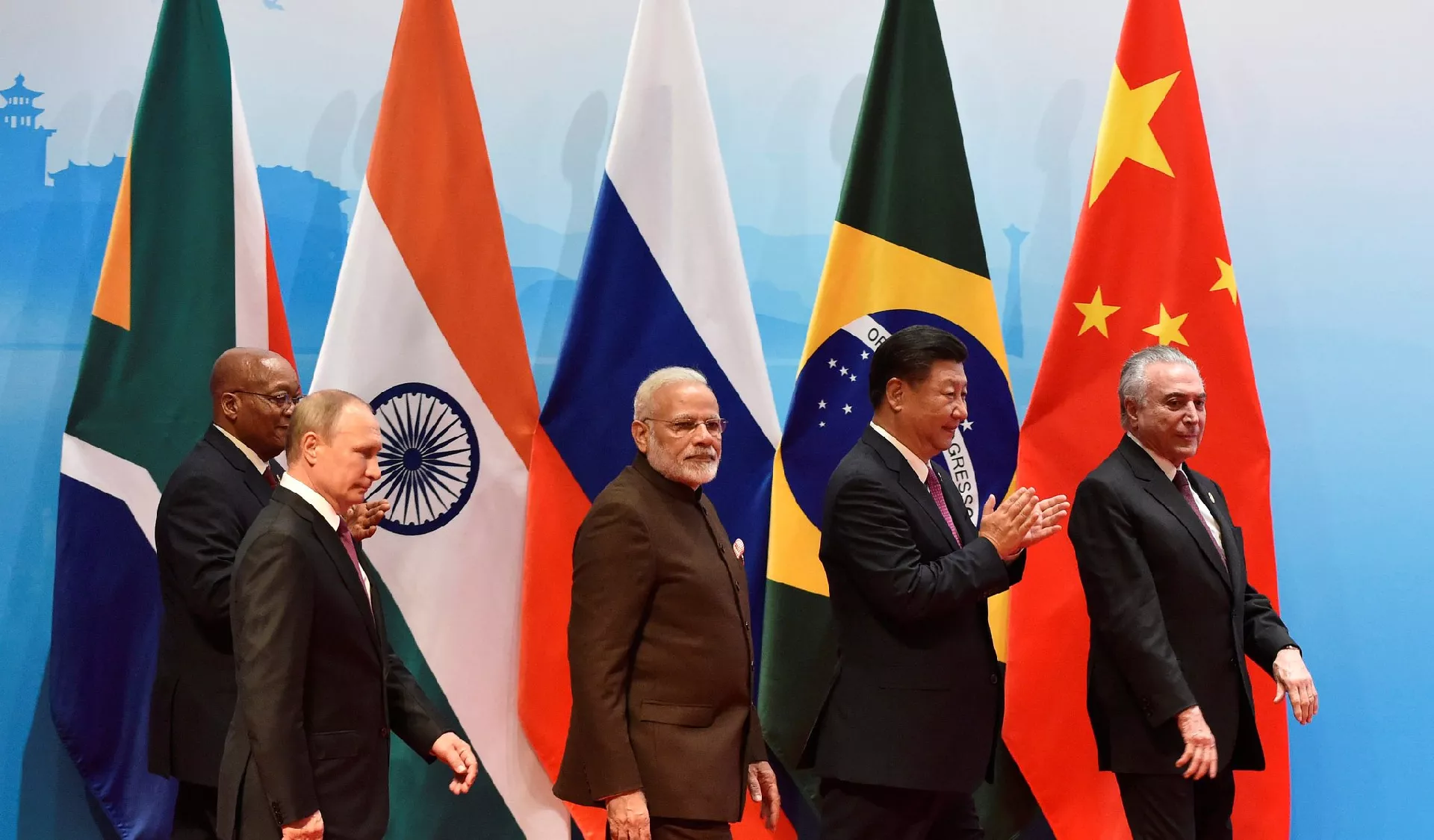
The US-Israeli attack on Iran is already producing consequences worldwide. This has not bypassed BRICS – the ambitious idea for the dissatisfied and resource-rich to end Western dominance.
On the last day of February, Iranian media reported with enthusiasm about the just-concluded military exercise of nine BRICS member states off the coast of South Africa, speaking of a bloc that will oppose the United States.
By the end of that same day, the United States and Israel had attacked Iran once again.
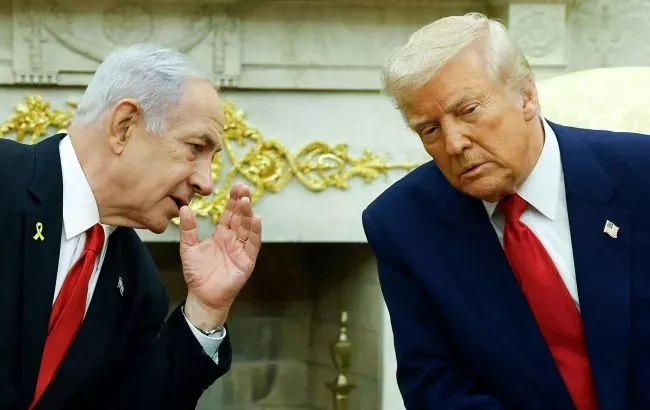
A few days before that attack, Indian Prime Minister Narendra Modi was in Israel, and Prime Minister Benjamin Netanyahu spoke about new regional alliances in and around the Middle East.
This alliance likely includes India – the world's most populous country and a founder of BRICS with Brazil, Russia, and China, which will be joined by South Africa, completing this strange acronym for a group of states that have tasked themselves with ending Western dominance.
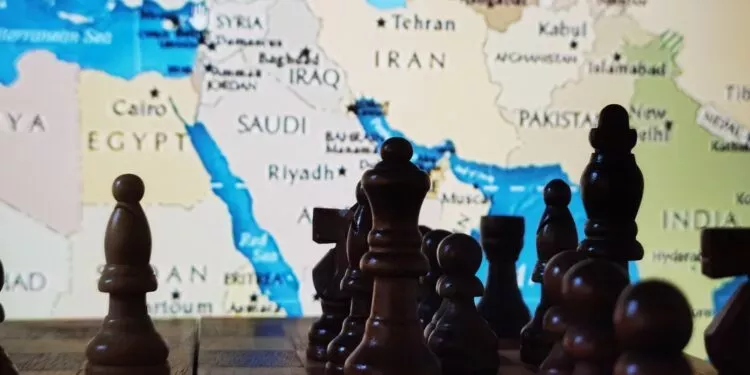
Who is an ally?
Iran's response to the US-Israeli attacks was fierce. In addition to Israel, Iranian forces targeted US military bases in several countries, including the United Arab Emirates, where Tehran also targets locations outside the mentioned bases. Iran and the UAE joined BRICS on January 1, 2024.
In the US and Israeli war against Iran, the UAE sided with those who initiated the war and did not express disapproval that its territory was used in attacks on another BRICS member state.
However, viewing the UAE's behavior in the context of BRICS relations would be a mistake. That group of states, as well as the organization itself, has not shown concern for its members when they are at war before. For example, they remained almost indifferent after Russia's aggression against Ukraine and the West's response by imposing sanctions against Moscow. They behaved similarly during previous attacks on Iran by the US and Israel. Simply put, BRICS has done nothing for its member states.
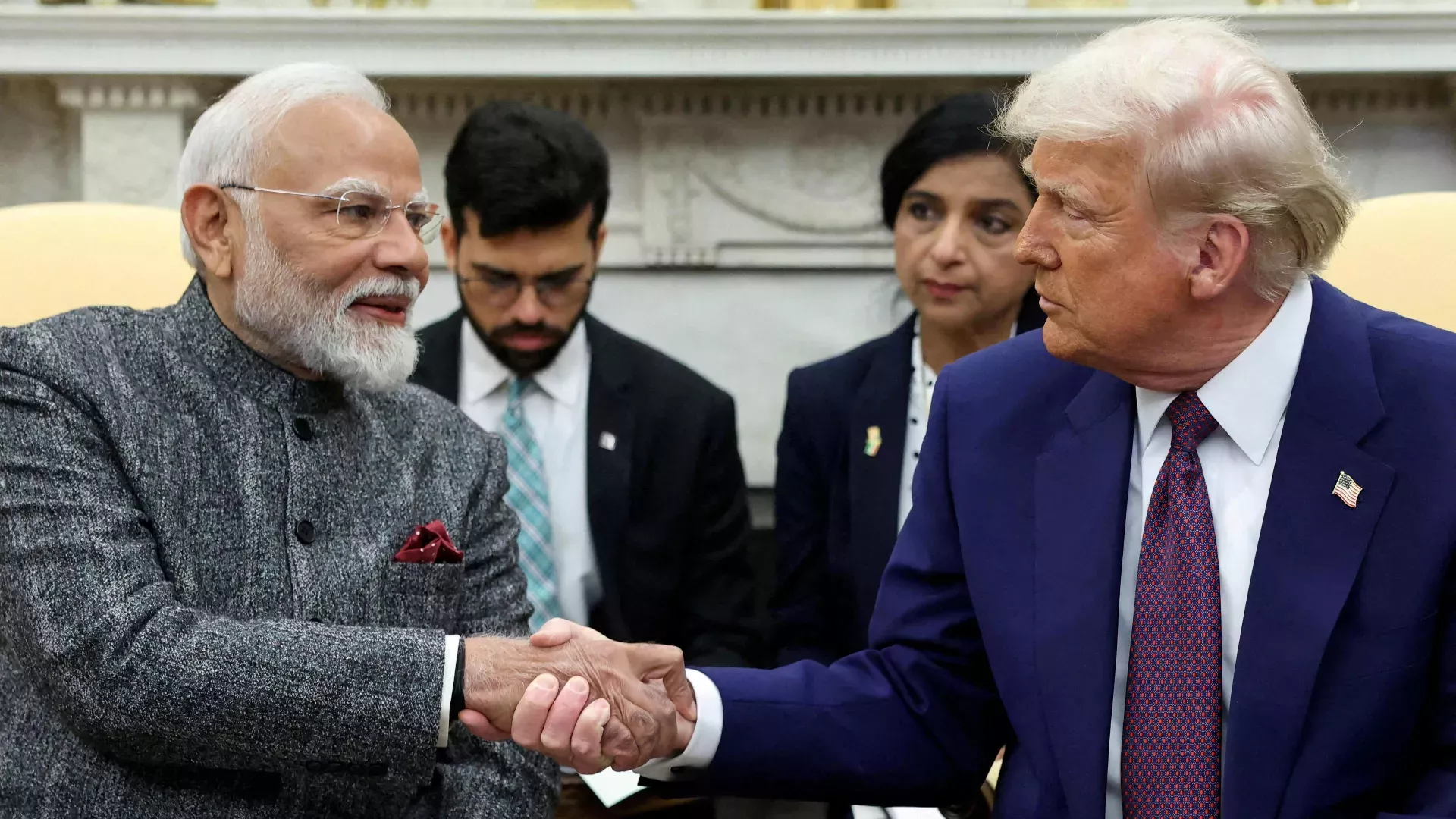
This has led some to question the purpose of BRICS and whether it is time for something to change. It seems that India has also provided an answer to this question, just as it has shown that its ties with Israel and the United States are more important than those with Iran, as this now brings more benefits to New Delhi.
Such a stance is not mere alignment against someone or for someone, although India can be attributed such a position after the agreement with the administration of US President Joseph Biden, in an agreement that is essentially aimed against the interests of BRICS, and especially China and Russia.
Part of the answer as to why India behaves this way can be found at this year's Munich Security Conference. The German and Indian Foreign Ministers spoke at one of the panels. Johann Wadephul said that relations between countries in the emerging world can be viewed more as 'coalitions' and less as 'alliances'. This view was supported by Subrahmanyam Jaishankar, who added that India is part of more than twenty groups such as the Quad (comprising India, the US, Australia, and the UK, and aimed against China) or BRICS (aimed against the West).
Problems and Opportunities for BRICS
Not everyone has such freedom in aligning with opposing blocs; in fact, few do. India strives and succeeds in maintaining good relations with Washington, Tel Aviv, Brussels, Moscow, Tehran, Riyadh..., and within BRICS, it discusses changing the existing political and economic system with its rival China, which gives the West an advantage over the rest of the planet.
India has not condemned the attack on its friendly country Iran, which it should have done as a member of the United Nations, nor has it condemned Russia for attacking impoverished Ukraine. In political terms, this is the essence of what the 'global South' talks about and why it gathers in various forms.
Iran's stance towards the United Arab Emirates since the end of February also shows how weak BRICS is and that Johann Wadephul and Subrahmanyam Jaishankar may be right about the future, but also about the present of relations in an interest-connected world.
Realpolitik interests of states are, once again, transcending ideological, political, or religious beliefs. What is currently happening with BRICS member states clearly shows this, as various 'coalitions' are forming.
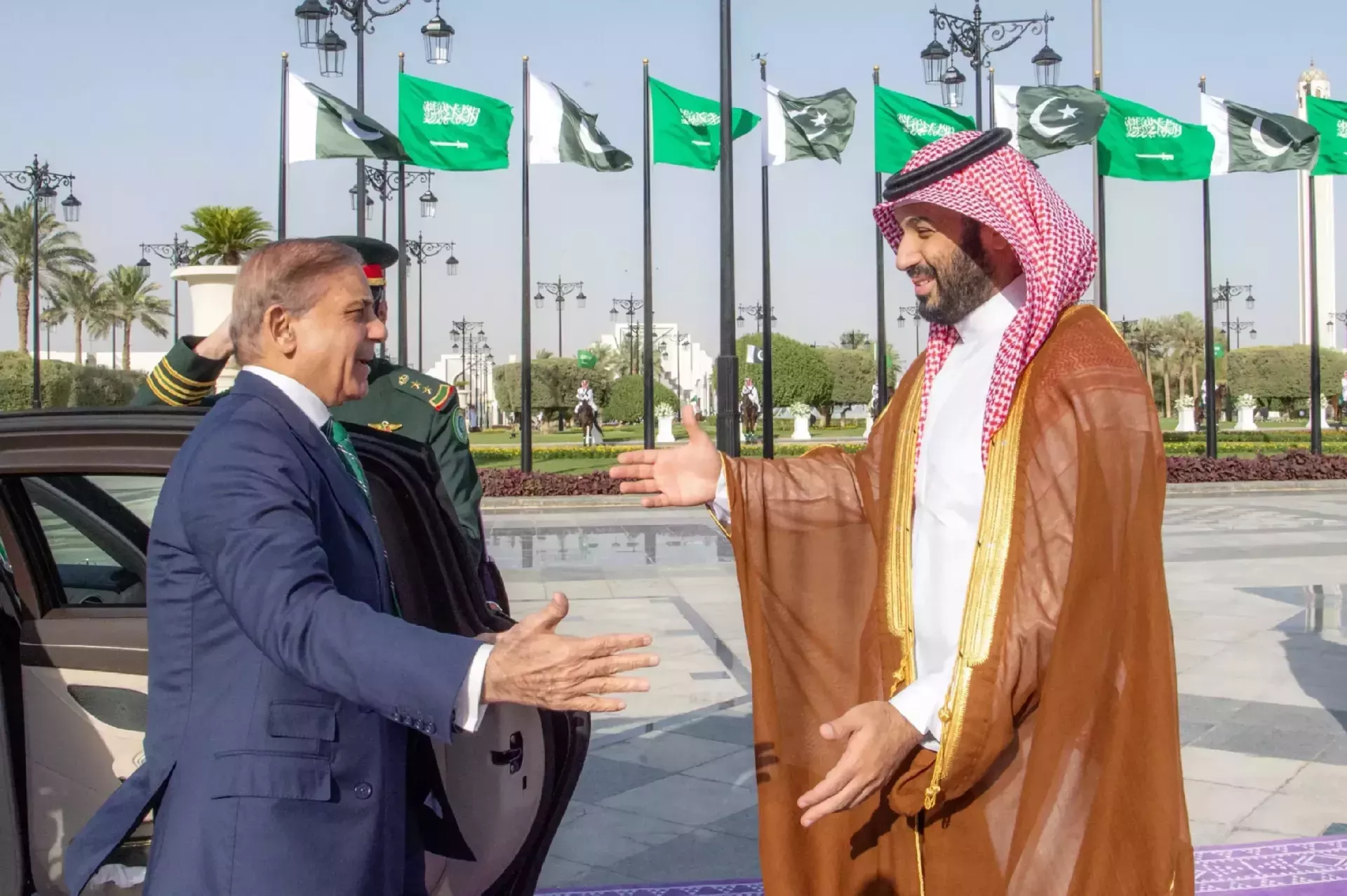
This can also be seen in the example of Saudi Arabia, which has moved closer to BRICS on some issues in recent years, improved relations with Tehran, signed a mutual defense agreement with Pakistan, maintained strategic ties with Washington, and is discussing normalization of relations with Tel Aviv, while now hosting US military bases used in the war against Iran, which responds with attacks on targets within Saudi territory.
Trump's and Netanyahu's policies have shaken BRICS in a short time like never before and have opened up numerous questions, especially for China and Russia, which have been advocating for a multipolar world for decades through various organizations, groups, forums, and coalitions.
These are fundamental questions about the future of BRICS, including who can be a member and what obligations come with membership. The examples of India, Russia, Iran, and the UAE show how necessary these answers are.
Russia, before the BRICS summit in Kazan in October 2024, stated that it opposes admitting new members because it is becoming difficult to find common goals for the member states. In other words, official Moscow admits that there are significant problems within BRICS, and the US-Israeli war against Iran has shown that some differences are fundamental and perhaps insurmountable.
Trump and Netanyahu have brought BRICS to a situation where it must either continue to spin its wheels until it loses relevance entirely or initiate reforms and actions, at least according to the 'coalition' recipe as seen by Indian Foreign Minister Subrahmanyam Jaishankar.
Komentari (0)
Prijavite se za komentiranje
PrijavaJos nema komentara. Budite prvi!
Minuta
Sve →Iz drugih kategorija

High Representative Not Elected: Germans, French and British Against Americans, New Attempt at End of June

ČOVIĆ WITHOUT MERCY: How Those Who Brought Ademović to Office Created a Political Hell for Him



Sunny Saturday, quite warm



Tragedy in Albanian resort: Two minors drown












