
By Armin Sijamić
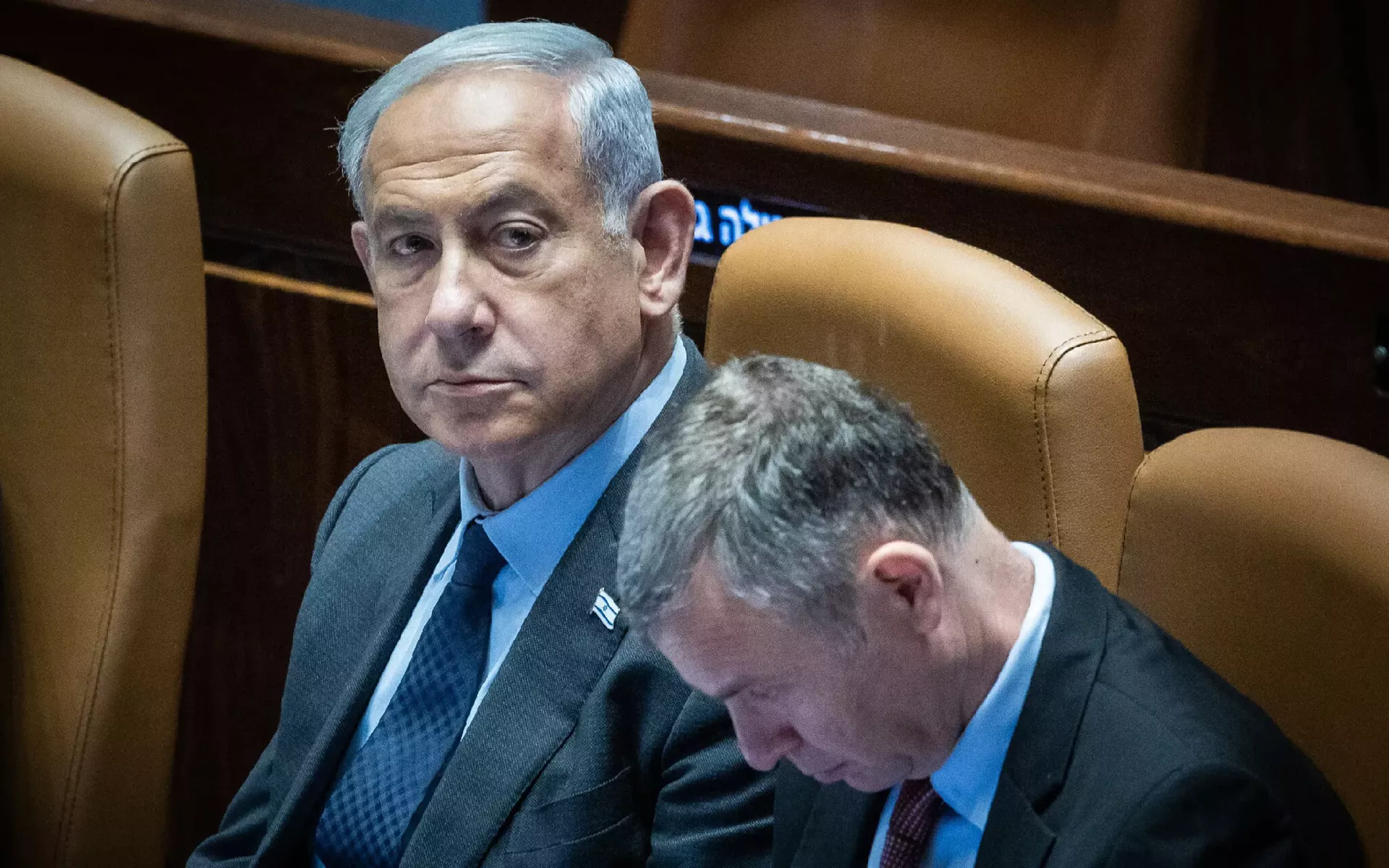
Israeli Prime Minister Benjamin Netanyahu has faced criticism from the West, particularly the United States, in recent months, while President Joseph Biden has tried in various ways to persuade the authorities in Tel Aviv to abandon the course they have taken by forming a coalition government, which many have described as far-right and which has caused some to turn their backs on Israel, even if they hadn't done so before. Netanyahu resisted, but it seems he is ready to consider Washington's views, as the political situation in the region and the world is not in Israel's favor.
After months of protests against the announced judicial reform, which would give politics control over the Israeli Supreme Court, and calls from Washington to abandon the reform, as well as the opposition's refusal to make concessions, Netanyahu announced yesterday in an interview with the Wall Street Journal (WSJ), primarily to the American public, that he is abandoning the planned reforms. He said that the reform he will implement will not give politics the right to change the Supreme Court's decisions, which was the main point of the reform sought by his coalition partners. He explained the change of stance by saying that he is "sensitive to the pulse of the public," promising that some reforms will be implemented.
Netanyahu thus tried to appease dissatisfied citizens, tell his coalition partners that the battle is not over, and assure his most important ally that he is willing to listen to them. Such a decision was expected from a man who has been prime minister of Israel for more than fifteen years. The announcement that there will be nothing of the reform, as the far-right elements in his government wanted, caused a storm at home. Coalition partners told him they were disappointed and that this was not what they had agreed upon. The opposition was more cautious. Opposition member Matan Kahana said that "Netanyahu speaks one language in English and another in Hebrew."
Whether Bibi, as he is called, will change his stance on judicial reform again is not yet known, but the interview with the WSJ hinted at the dilemmas facing Israel.
Between Washington, Moscow, and Beijing
In recent weeks, Israel has faced major challenges. In addition to the aforementioned judicial reform, Israel needs to respond to the war in Ukraine, the strengthening of Iran (especially after the normalization of relations with Riyadh), and the increased Chinese influence in the Middle East. The Biden administration has emphasized that they are a friend of Israel, but that they are asking their ally to change its approach to Palestine, preserve the independence of its courts, and help Ukraine in the war against Russia.
One piece of evidence that Biden is keeping his distance from Netanyahu is the fact that he has not invited him to the White House even six months after he returned to power, which is not the usual relationship the US has with Israel. This bothered the Speaker of the US House of Representatives, Kevin McCarthy, so he said he would invite him to address Congress, which would be a scandal as it bypasses the president. Republican McCarthy has further divided the American political scene, which Netanyahu wants to avoid as long as Biden is in the White House.
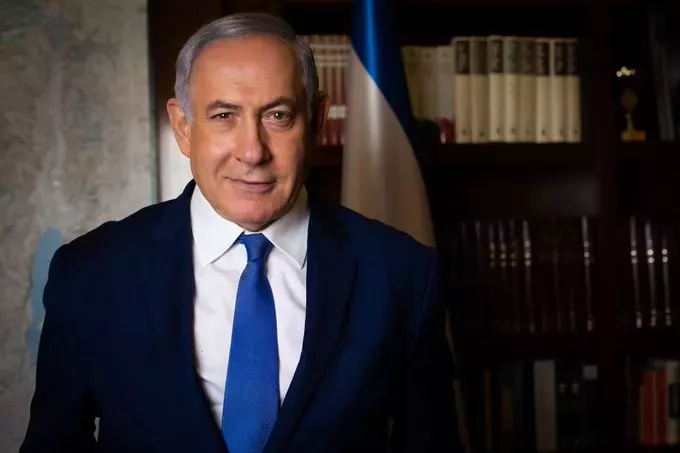
In an interview with the WSJ, Netanyahu spoke about how difficult his country's position is regarding the war in Ukraine. It is known that a large number of immigrants to Israel come from Russia, and this has contributed to excellent relations with Moscow. In addition, the Russian army is in Syria, and its will determines how successful Israeli attacks on targets in that country will be. Netanyahu said it is important to maintain "freedom of action" in Syria, meaning that Russia turns a blind eye to Israeli attacks on its allies on the ground, nor does it provide Damascus with the necessary means to defend itself.
Ukraine requested Iron Dome anti-aircraft systems from Israel, which Israel refused. "We have concerns that I don't think any other Western ally of Ukraine has," Netanyahu said, alluding to Iran's presence on the Russian side, fearing that Israeli weapons could fall into Tehran's hands. "If this system falls into the hands of Iran, millions of Israelis will be left defenseless and endangered," he said. Although this is an exaggeration of Iran's role in Ukraine, it can be an excellent excuse for Israel not to deliver weapons. Last week, Netanyahu said that weapons donated by the West to Ukraine had been spotted near Israel's borders, but he did not provide details.
The media reports that Ukraine requested Merkava tanks and Spike anti-tank missiles from Israel, but Tel Aviv has so far only sent protective equipment, such as helmets and bulletproof vests for medical personnel. The agreement was reached before Netanyahu returned to power. However, the problem of the approach to Ukraine remains, as Israel must help its Western allies if it wants to receive help when it needs it.
The concession to the White House's demands is also related to China. Namely, Netanyahu accepted an invitation from Beijing and will visit that country in the near future, although the exact date of the visit has not been announced. It could happen that Netanyahu visits Beijing first, and then Washington. In an interview with the WSJ, he emphasized that he wants to meet with Biden, which is a clear message to the White House about Israel's position. Opposition politician and former Mossad official Ram Ben Barak said that a visit to China would be a "strategic mistake of the first order."
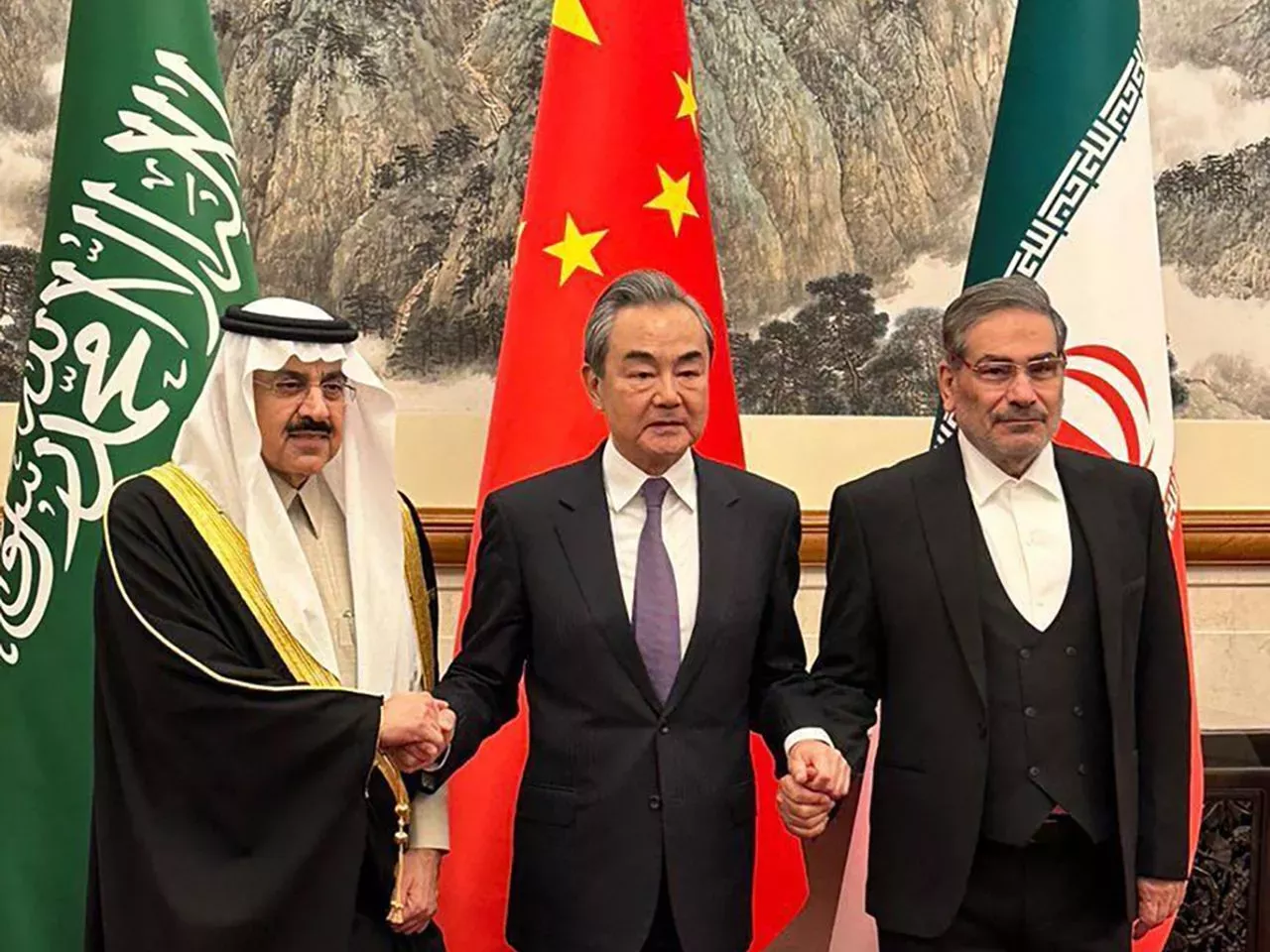
This is clear to Netanyahu, who in a short period has found himself between three world powers. Ignoring China is not an option, especially now that Beijing is increasingly present in the Middle East, filling the vacuum created by Moscow's and Washington's preoccupation. China has successfully mediated between Iran and Saudi Arabia and initiated a wave of changes in the Middle East, leading a number of countries to renew ties with their former rivals. This happened when Israel expected Riyadh to establish relations with them, not with Tehran. The normalization of relations between Riyadh and Tehran has led to further regional isolation of Israel and strengthening of Iran's position.
Biden's plan to renew the agreement on Iran's nuclear program has faced fierce criticism from Netanyahu, who considers it the greatest danger to Israel. Faced with the developments on the scene and the US's attitude towards him, more conciliatory tones have come from officials of the Netanyahu administration in recent months, suggesting that Israel would agree to a deal on Iran's nuclear program if Iran does not build an atomic bomb.
Strategic Calculation
These events show how Israel's position is becoming more complicated on the world and regional political stage, at a time when society is divided and major protests are ongoing. Therefore, Netanyahu's announcement can be understood as buying time for himself and his government, or as a radical departure from his initial positions.
It should not be forgotten that Israel is a country with an area roughly the size of Slovenia and a population of 9.3 million. This shows the vulnerability of that country in its dealings with world powers that have incomparably greater strength. Israel cannot afford to have bad relations with the US and Russia at the same time, while announcing that it will militarily attack a large country like Iran.
Netanyahu's rapprochement with the White House could mean that Tel Aviv is once again respecting its most important ally and patron, who is most responsible for Israel's current strength. At the same time, maintaining good relations with Russia is becoming increasingly difficult, as the West and Moscow enter into a deeper conflict. This significantly reduces Tel Aviv's room for maneuver, and challenges are piling up in a region where China is entering. Therefore, Netanyahu should prioritize the interests of the state over the coalition that keeps him in power. However, anything is possible in politics, and there are no guarantees that those in power will always make the right decisions.
Komentari (0)
Prijavite se za komentiranje
PrijavaJos nema komentara. Budite prvi!
Minuta
Sve →Iz drugih kategorija

High Representative Not Elected: Germans, French and British Sabotaged Americans, New Attempt at End of June

ČOVIĆ WITHOUT MERCY: How Those Who Brought Ademović to Office Created a Political Hell for Him



Sunny Saturday, quite warm



Tragedy in Albanian resort: Two minors drown












